1. Introduction
The Ferrari 12Cilindri is not simply another addition to Ferrari’s catalogue—it is a deliberate statement about what the brand believes a front-engined grand tourer should be in an era increasingly defined by electrification, turbocharging, and regulatory constraint. Positioned as the spiritual successor to the Ferrari 812 Superfast, the 12Cilindri reaffirms Ferrari’s commitment to the naturally aspirated V12, a configuration that has become both a technical rarity and a cultural cornerstone of the marque.
At a time when even Ferrari itself has aggressively expanded into hybridisation—most notably with the Ferrari SF90 Stradale—the 12Cilindri deliberately resists that trajectory. This is not a car designed to chase efficiency metrics or headline hybrid outputs. Instead, it is engineered around a single premise: to deliver the most refined, technically advanced, and emotionally engaging expression of a naturally aspirated V12 grand tourer currently possible.
From a market positioning standpoint, the 12Cilindri occupies a highly specific niche. It sits above Ferrari’s mid-engined V8 models in terms of exclusivity and price, yet remains more usable and less extreme than hypercars such as the Ferrari LaFerrari. Its closest philosophical rivals are not track-focused machines, but rather high-speed continent-crossing grand tourers—cars designed to cover distance with composure, speed, and mechanical theatre.
The naming itself—“12Cilindri”—is intentionally reductive. It strips away branding flourish and focuses attention on the defining feature: the engine. This is significant. Ferrari is effectively reframing the car not as a product within a lineup, but as an embodiment of a mechanical philosophy. In doing so, it appeals directly to buyers who prioritise mechanical purity, long-term collectability, and the experience of driving over technological novelty.
For enthusiasts, buyers, and investors, the 12Cilindri represents a potentially pivotal moment. As emissions regulations tighten globally, naturally aspirated V12s are becoming increasingly difficult to justify from a compliance standpoint. This raises an important question: is the 12Cilindri one of the last of its kind? While Ferrari has not formally positioned it as a “final” V12, the broader industry trajectory suggests that cars like this will become increasingly rare—and therefore increasingly significant in the collector market.
In practical terms, the 12Cilindri must also balance dual expectations. It must deliver the emotional intensity expected of a Ferrari V12, while also functioning as a usable grand tourer. This duality—performance and usability—is where Ferrari’s engineering approach becomes most evident. The car is not designed to be the fastest in absolute terms; rather, it is designed to be the most complete expression of front-engined Ferrari performance.
2. Production & History
The Ferrari 12Cilindri is the latest chapter in a lineage that stretches back to the very origins of the company. Since the introduction of the Ferrari 125 S, Ferrari’s identity has been intrinsically linked to the V12 engine. Over decades, this architecture has evolved from racing prototypes into road-going grand tourers that define the brand’s upper echelon.
The immediate predecessor, the 812 Superfast, set a high benchmark. With 789 horsepower and a naturally aspirated 6.5-litre V12, it was widely regarded as one of the most complete front-engined performance cars ever produced. However, by the early 2020s, regulatory pressures—particularly emissions and noise restrictions—posed significant challenges to continuing this formula.
The 12Cilindri emerges as Ferrari’s response to these constraints. Rather than abandoning the V12 or diluting it with hybrid assistance, Ferrari chose to refine it further. This involved substantial engineering investment, particularly in combustion efficiency, friction reduction, and software-driven control systems.
Production of the 12Cilindri is expected to follow Ferrari’s traditional approach: relatively limited volumes compared to mass-market manufacturers, but not strictly capped in the way of special series models. This ensures accessibility for qualified buyers while maintaining exclusivity. As with most Ferrari V12 grand tourers, allocation will likely favour existing clients with established purchase histories.
Historically, front-engined V12 Ferraris have followed a clear evolutionary path:
- Ferrari 599 GTB Fiorano introduced modern electronic integration
- Ferrari F12berlinetta refined performance and usability
- Ferrari 812 Superfast maximised output and dynamics
The 12Cilindri builds on this trajectory, but shifts emphasis slightly. Rather than pursuing incremental power increases alone, Ferrari has focused on integrating advanced control systems—such as rear-wheel steering, brake-by-wire, and refined electronic differential management—to enhance the driving experience.
Another important historical context is Ferrari’s broader product strategy. While the brand has expanded into SUVs (e.g., the Ferrari Purosangue) and hybrid supercars, the 12Cilindri represents continuity. It reassures traditional buyers that Ferrari remains committed to its core mechanical identity.
From a long-term perspective, cars like the 12Cilindri often gain significance beyond their initial market positioning. Previous V12 Ferraris—particularly naturally aspirated examples—have demonstrated strong residual values and increasing collector interest over time. This is driven not only by performance, but by the emotional and historical importance of the engine configuration itself.
3. Design & Styling
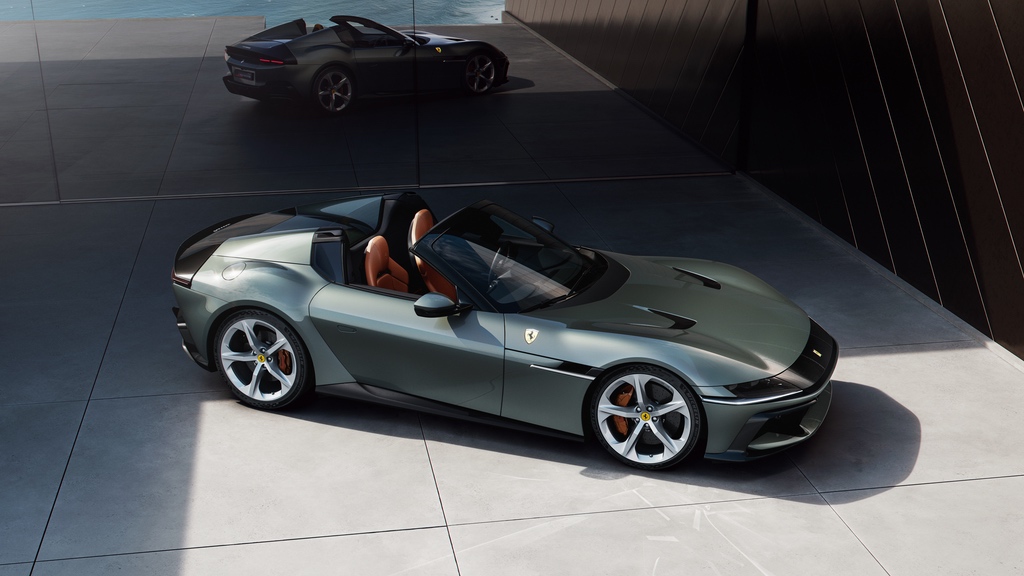
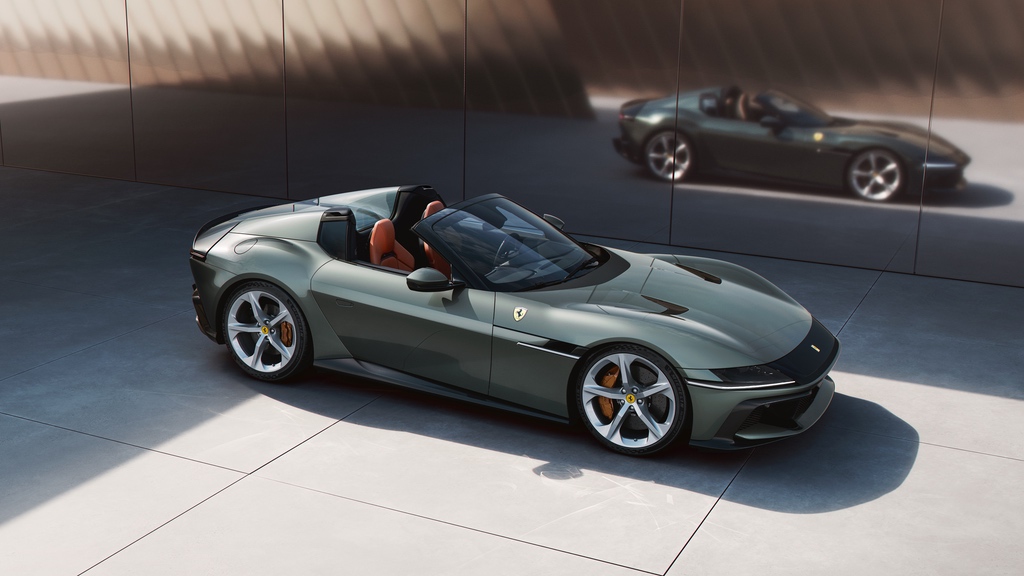
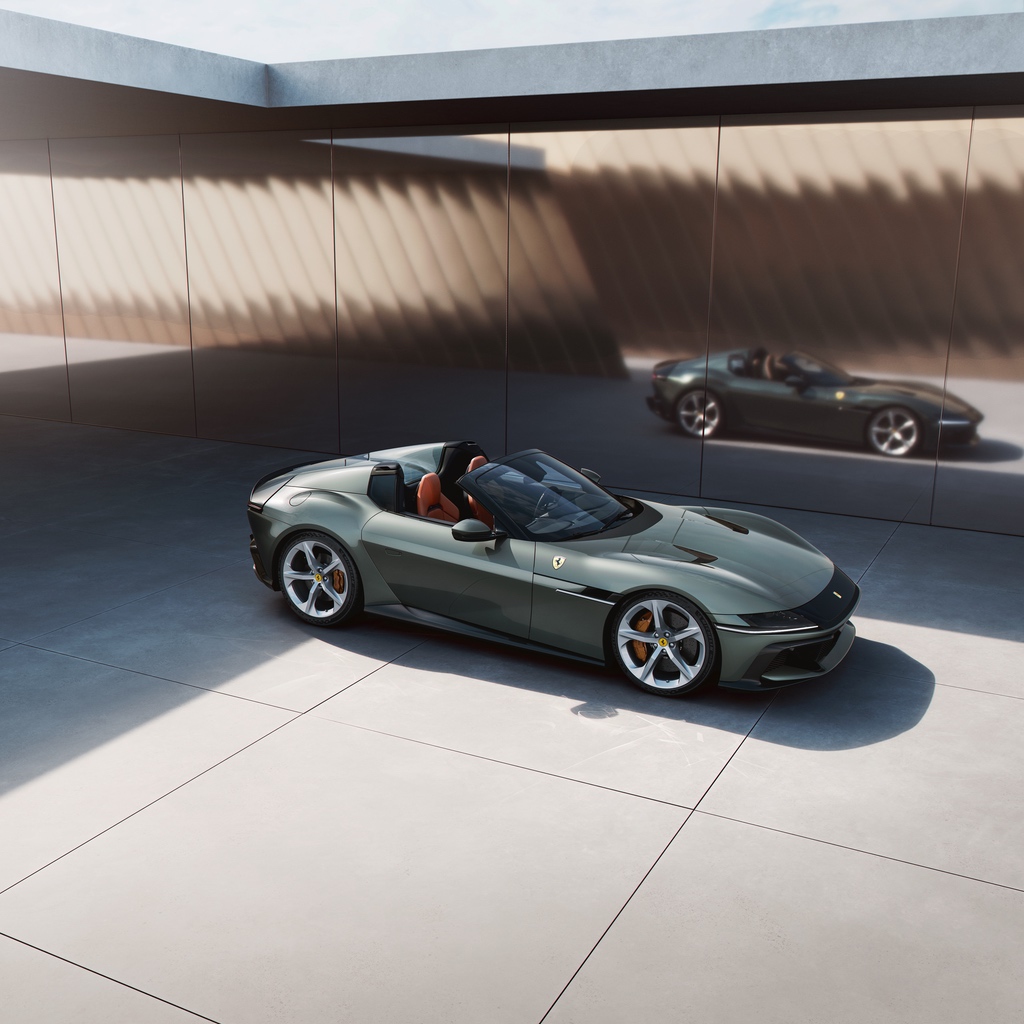
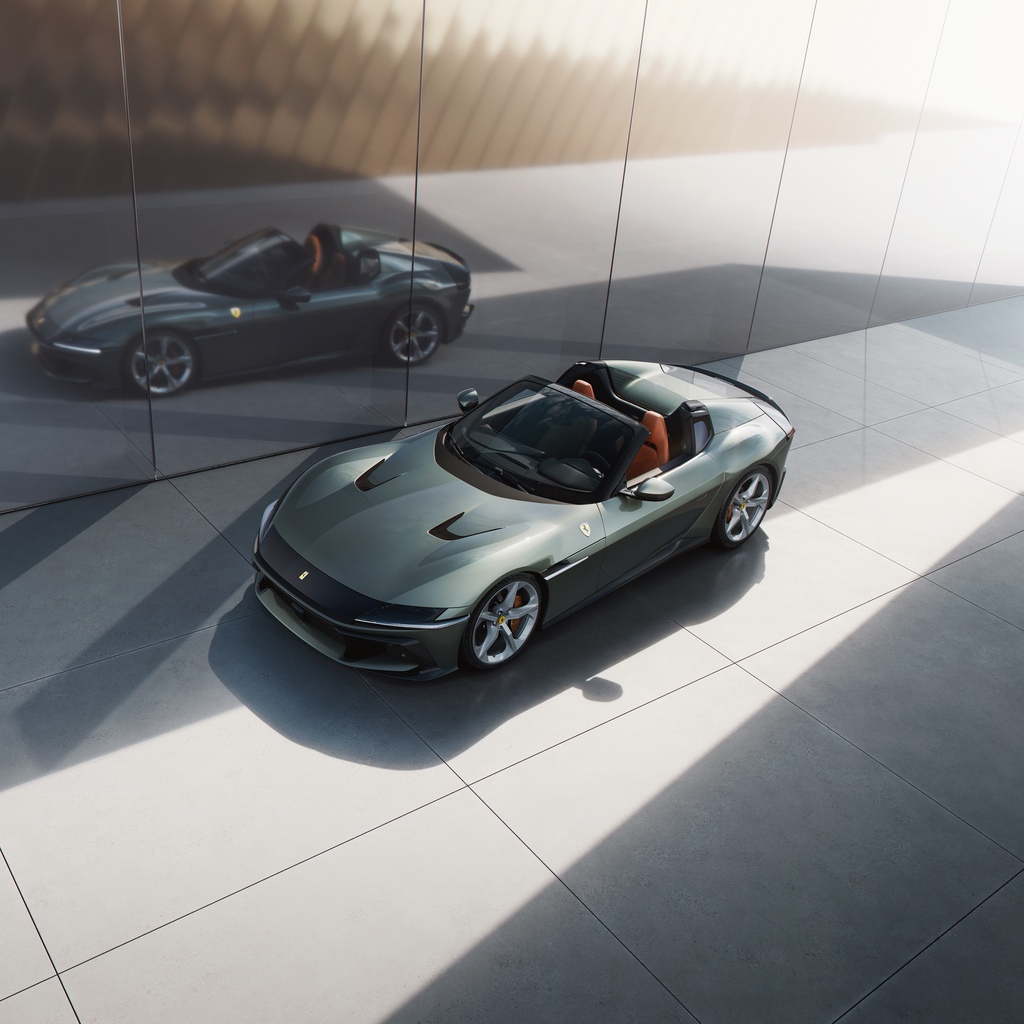
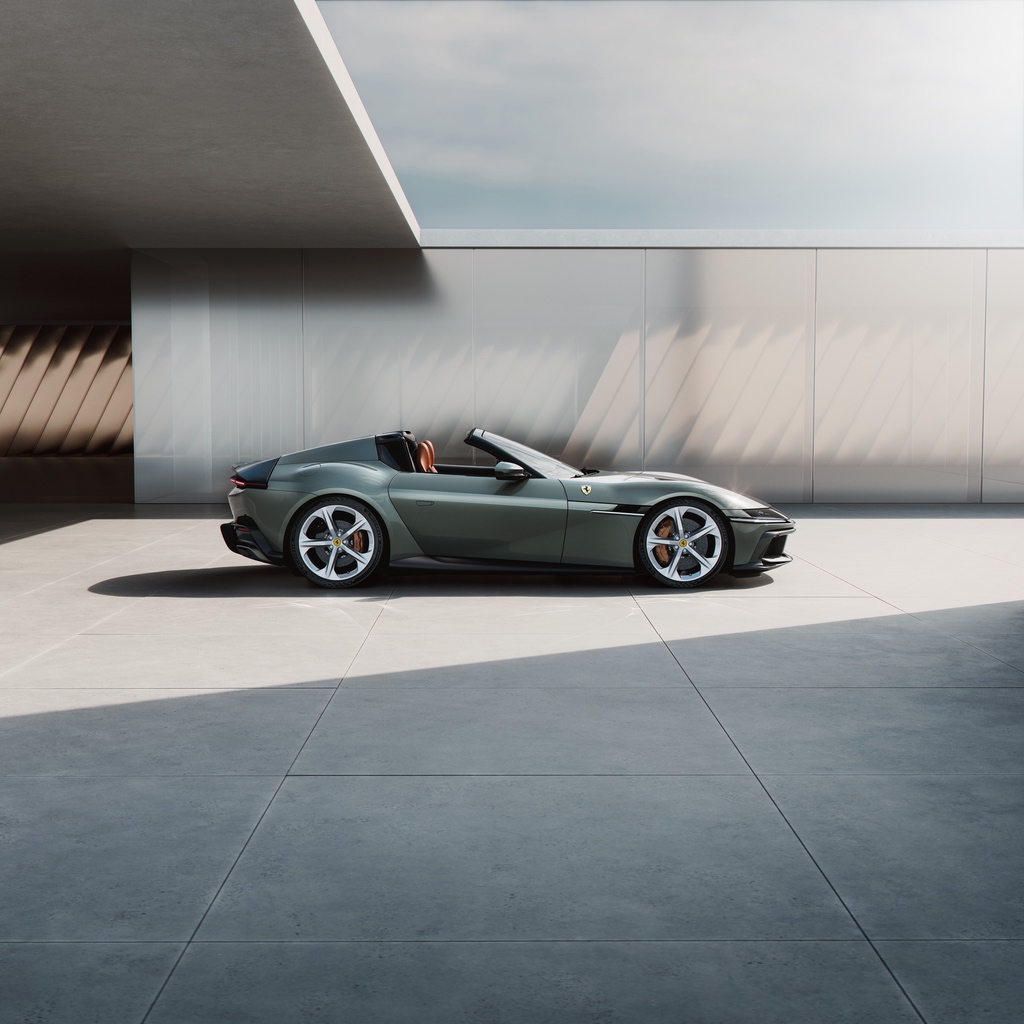
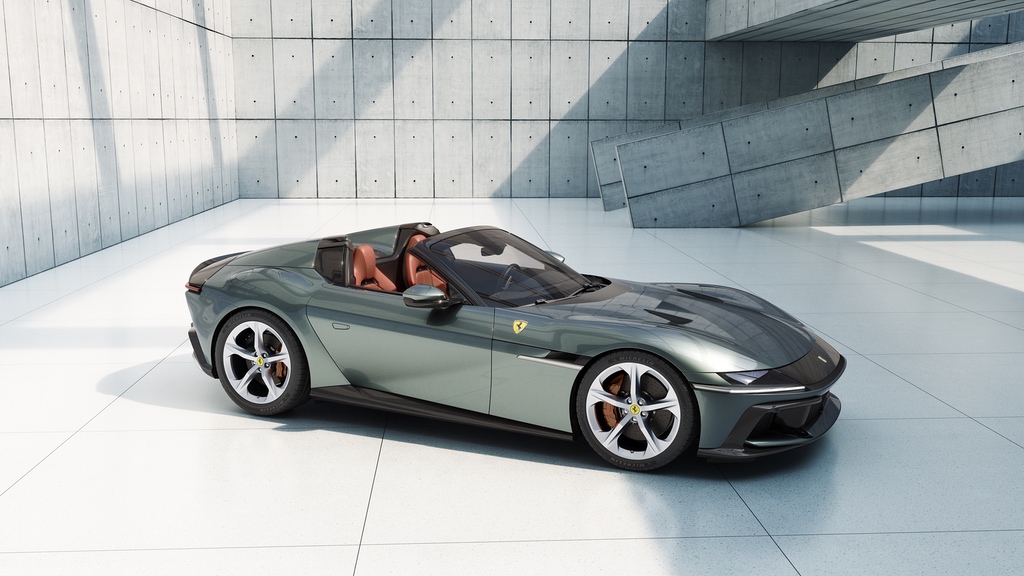
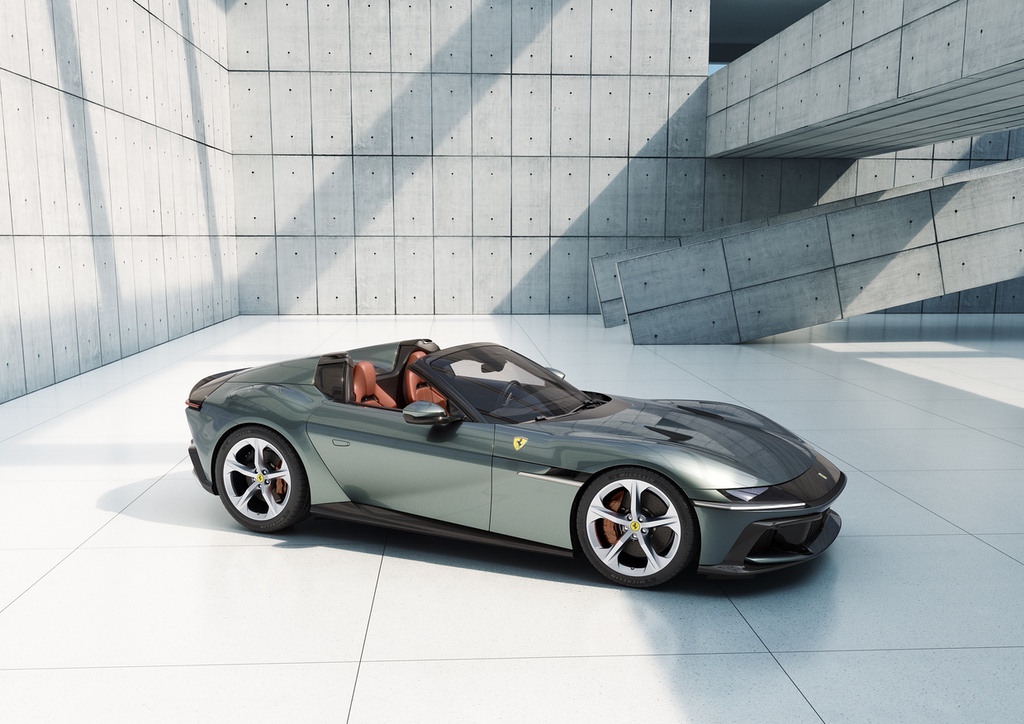
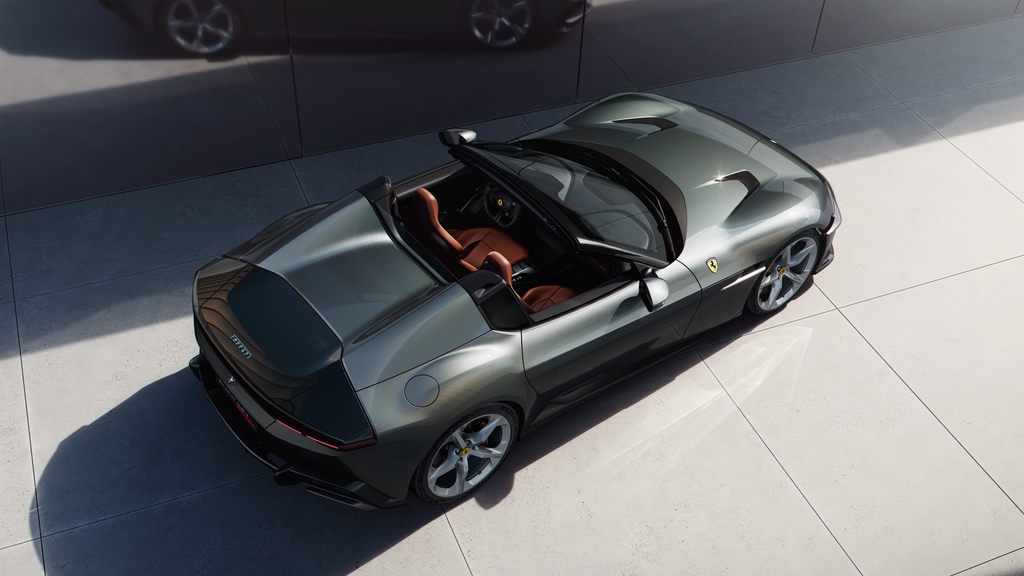
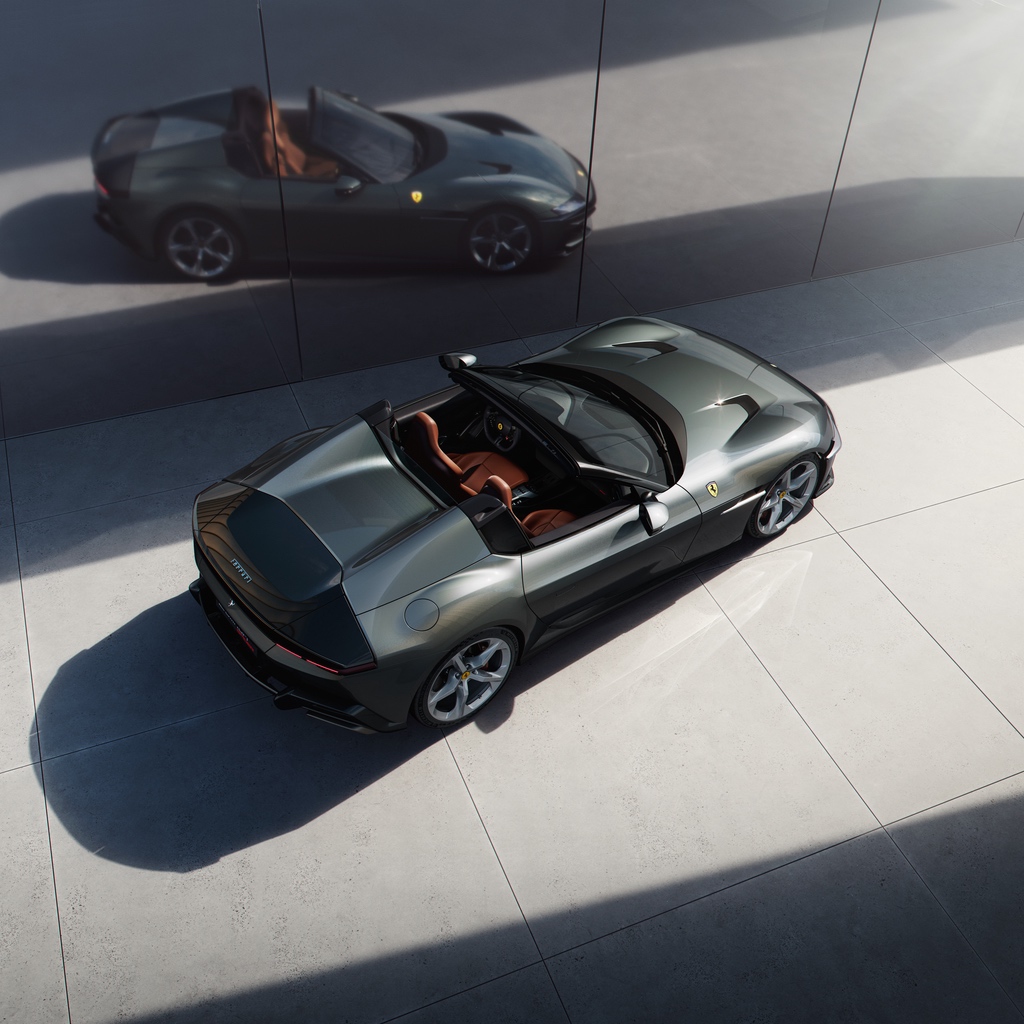
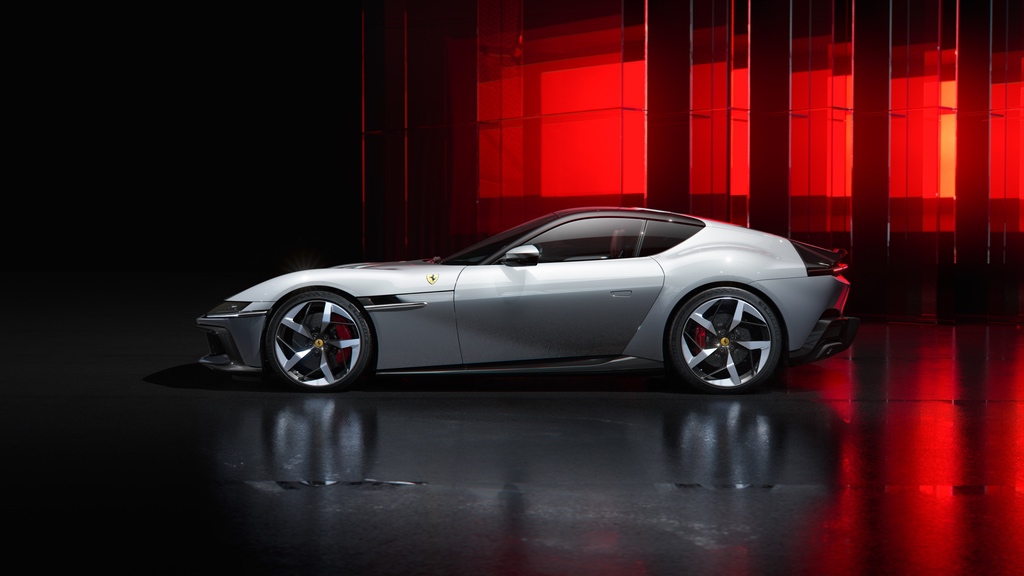
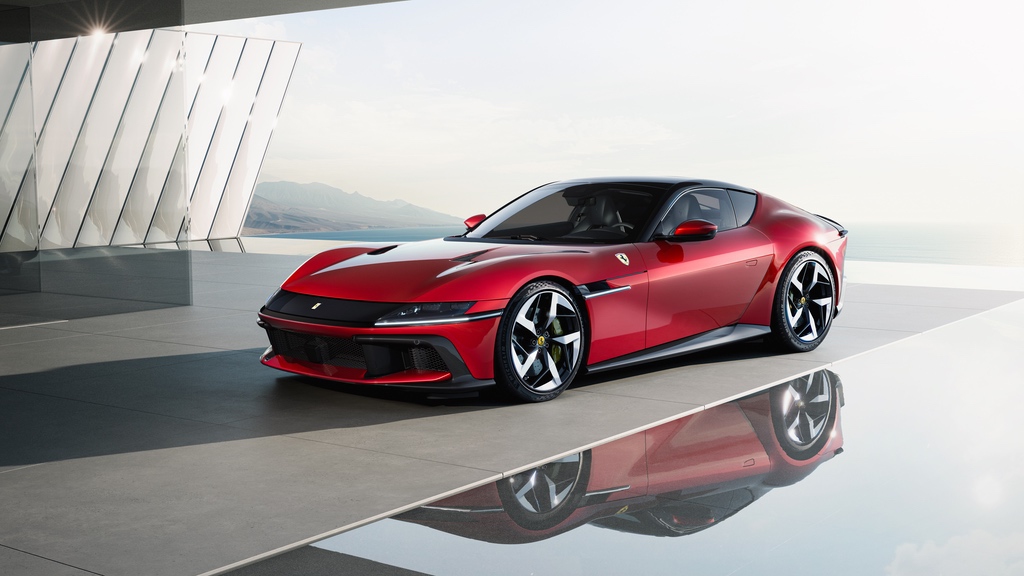
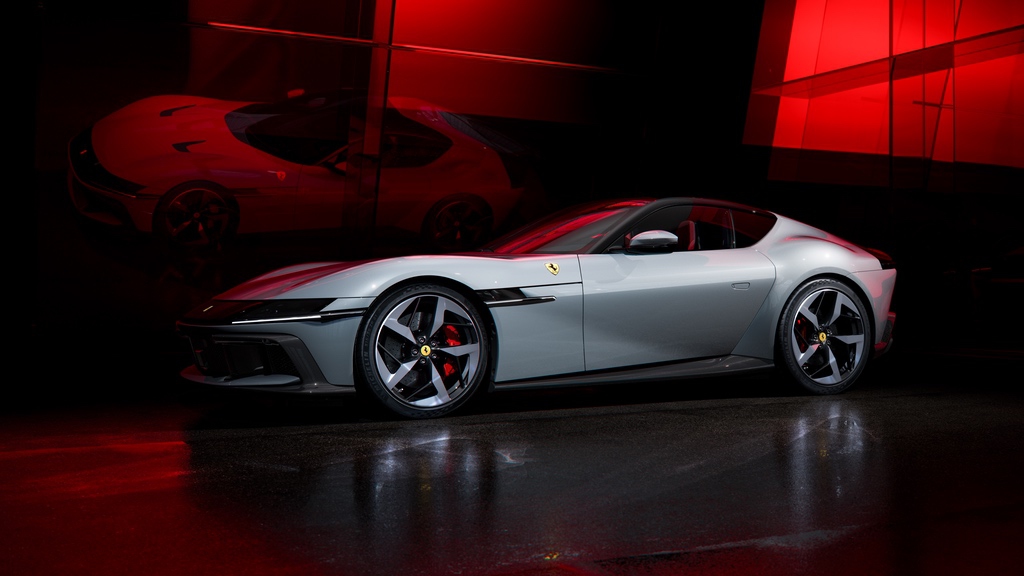
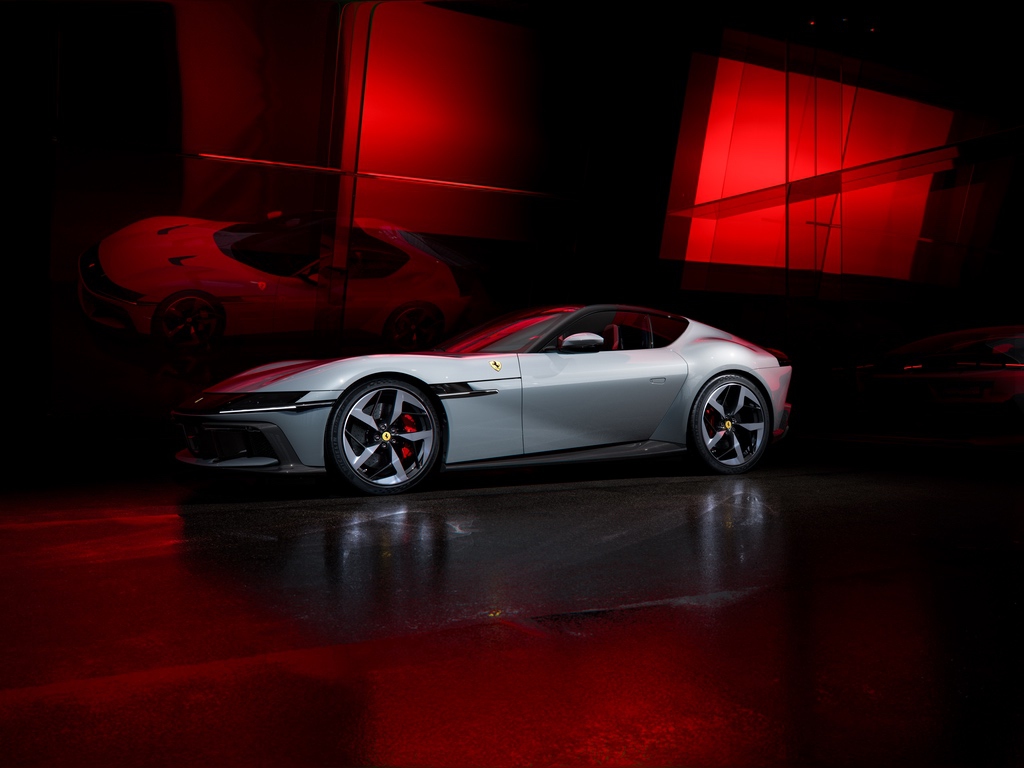
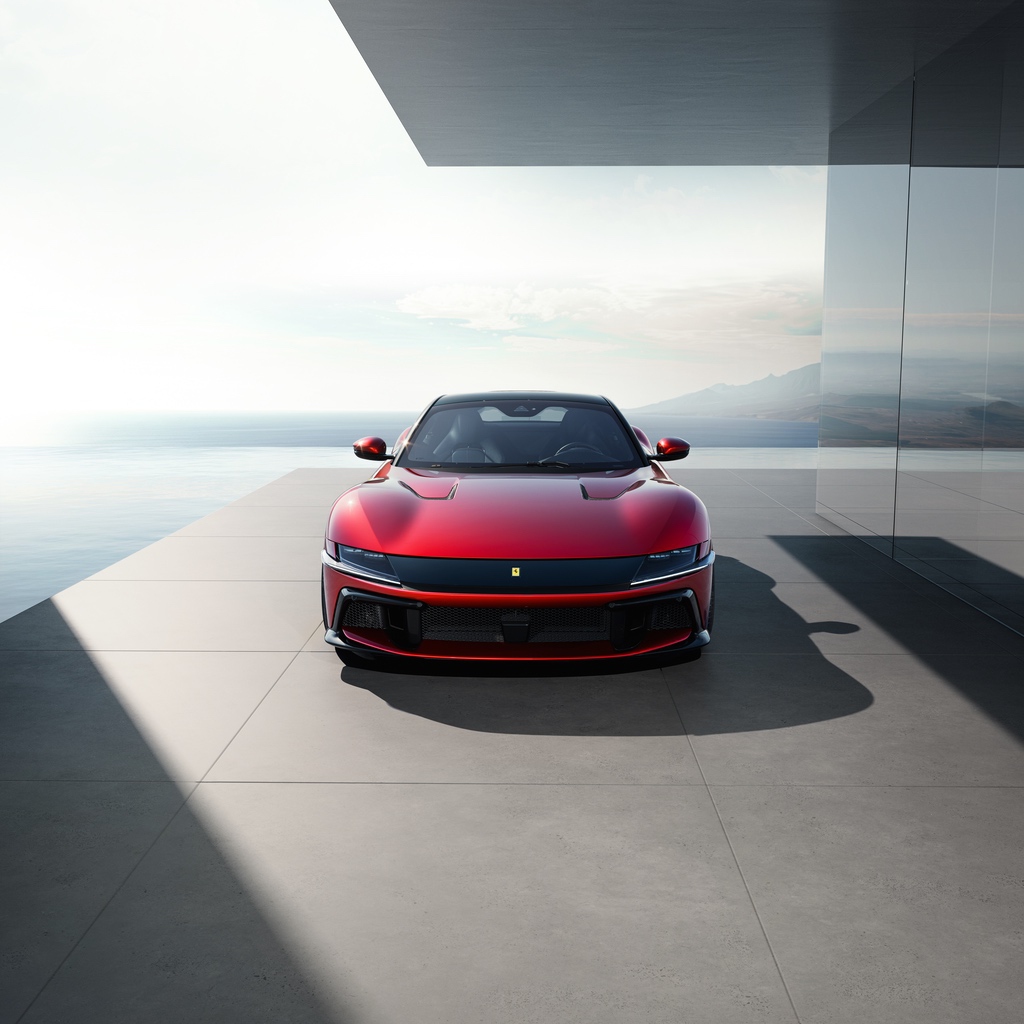
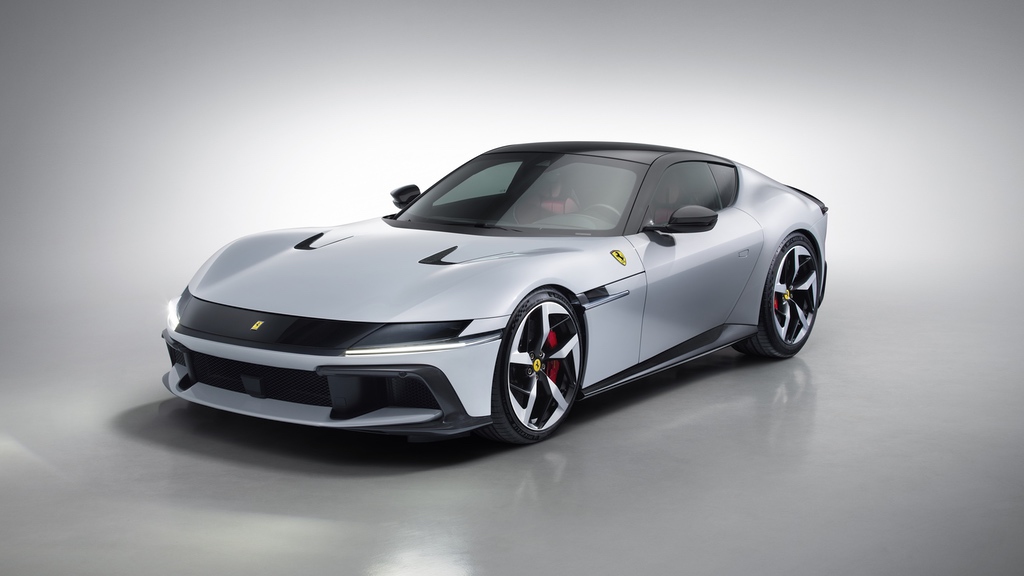
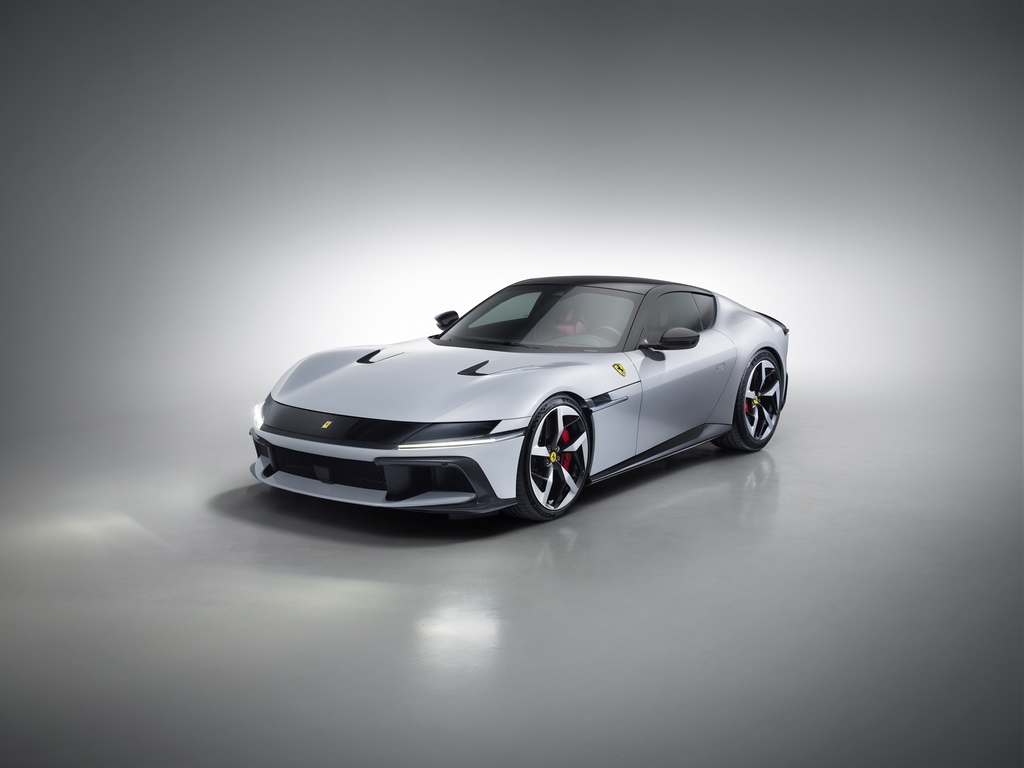
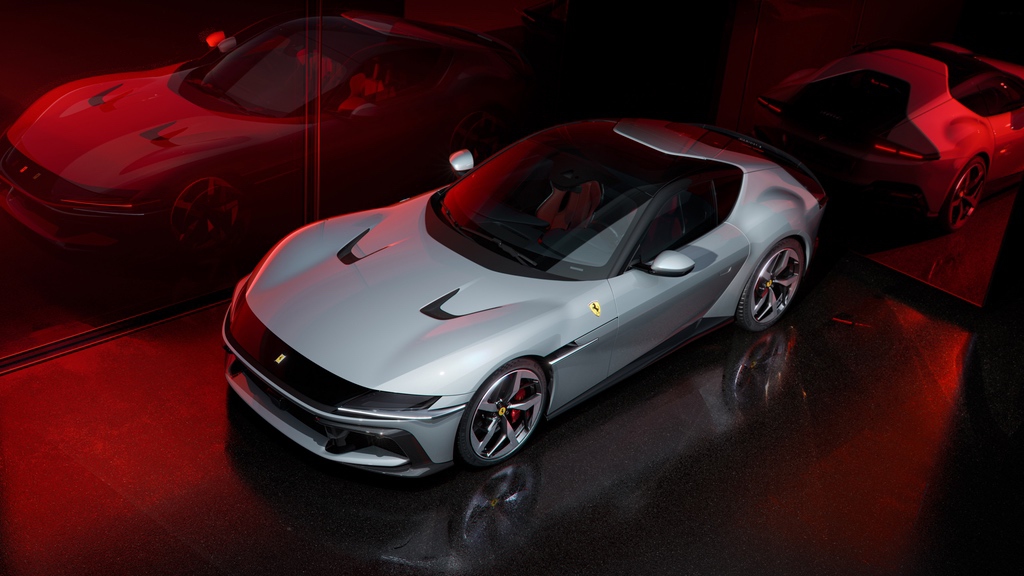
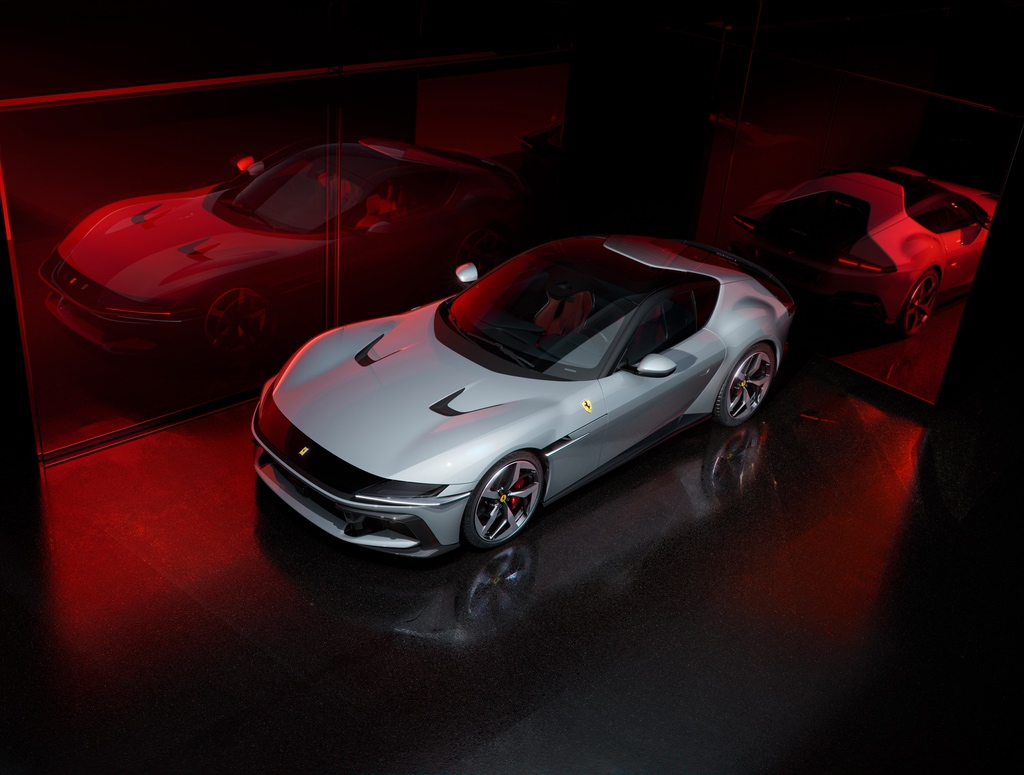
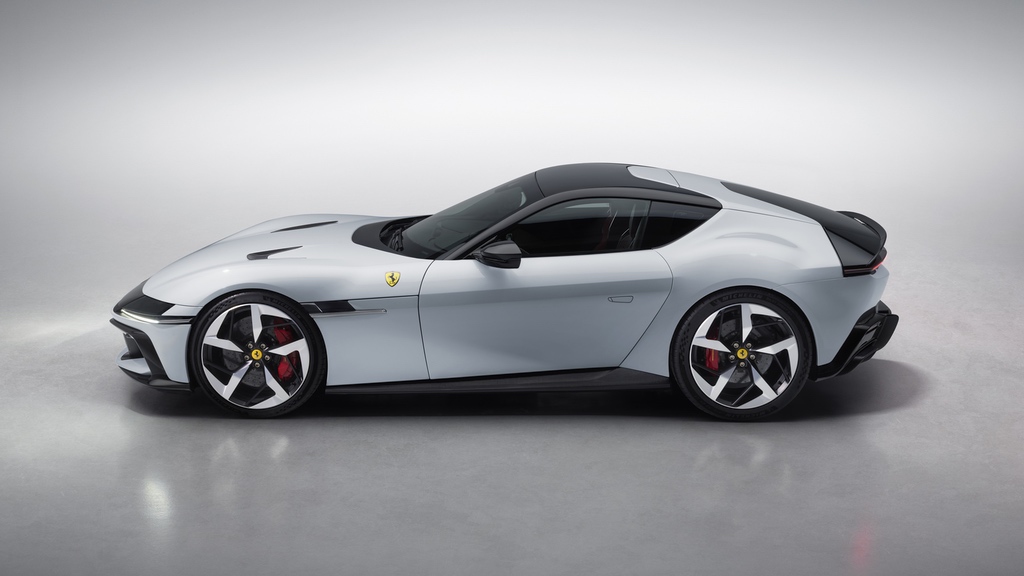
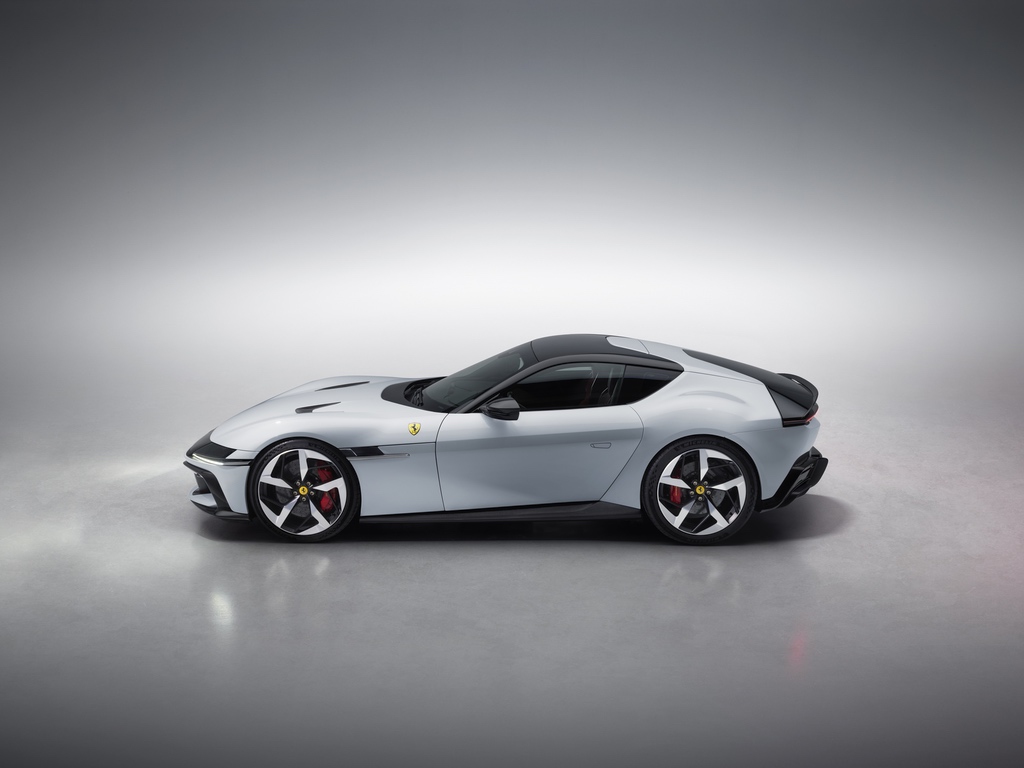
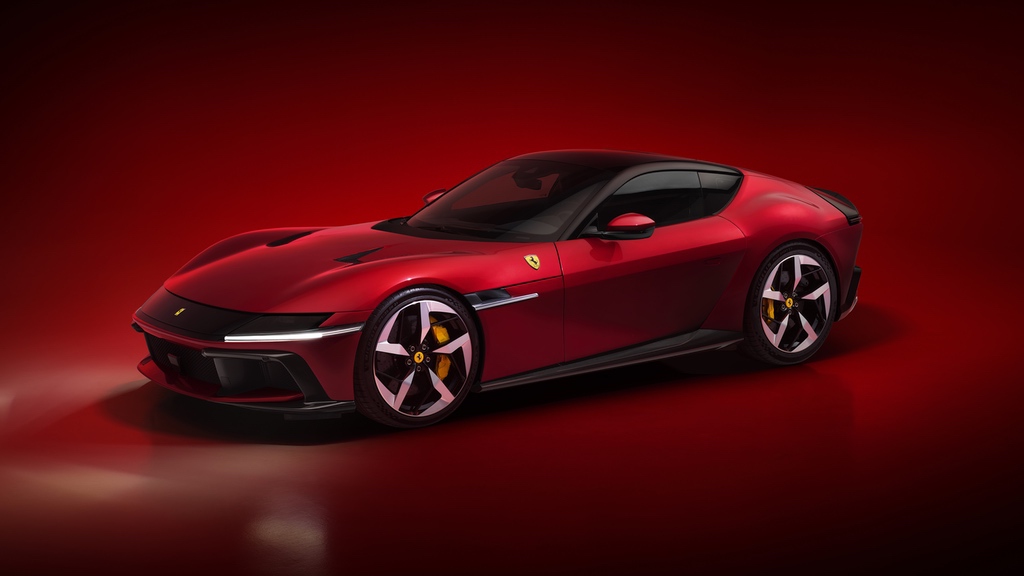
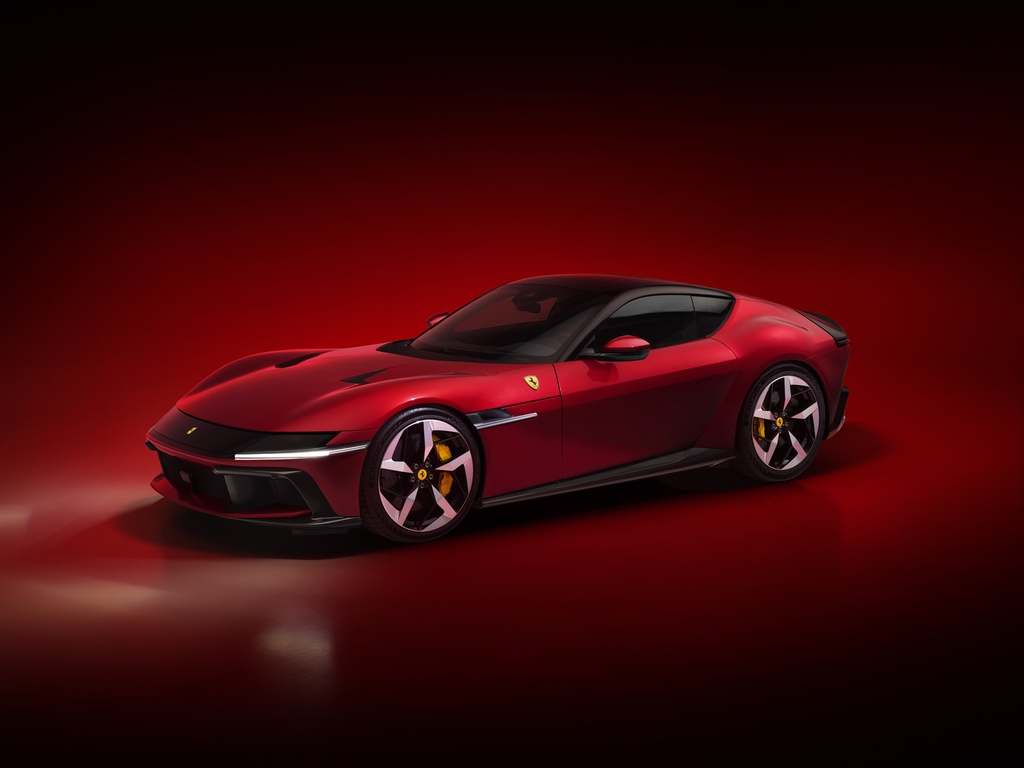
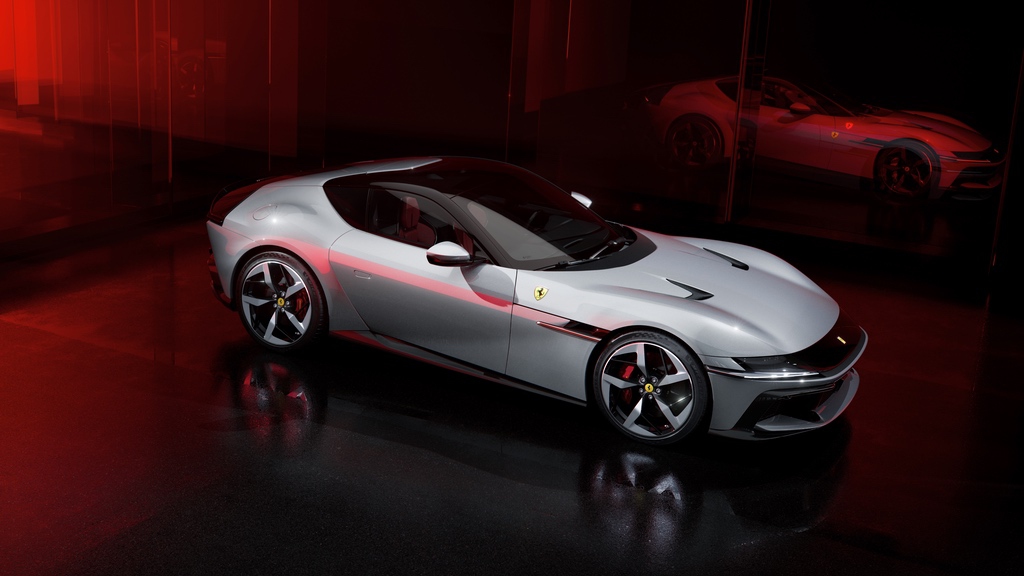
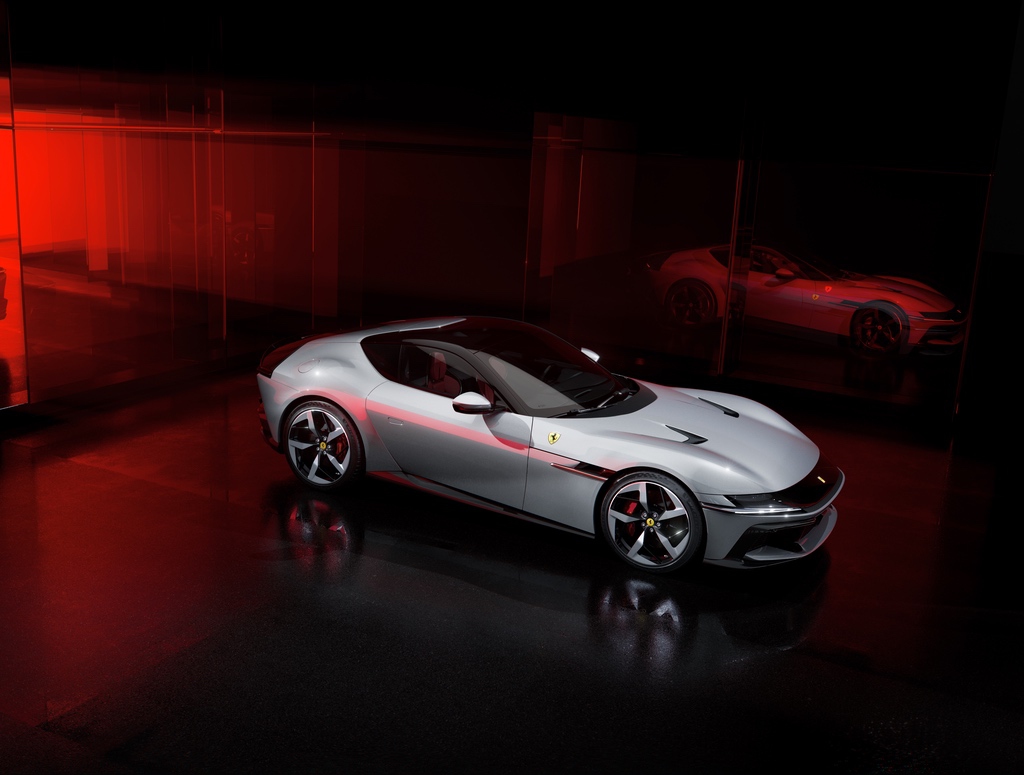
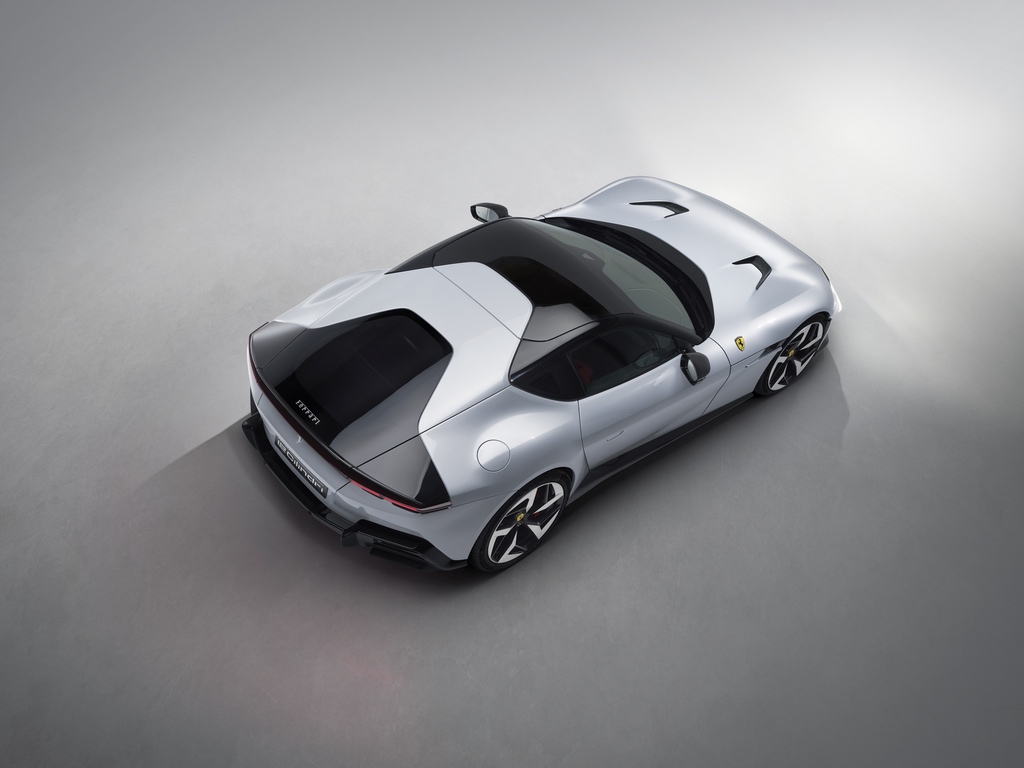
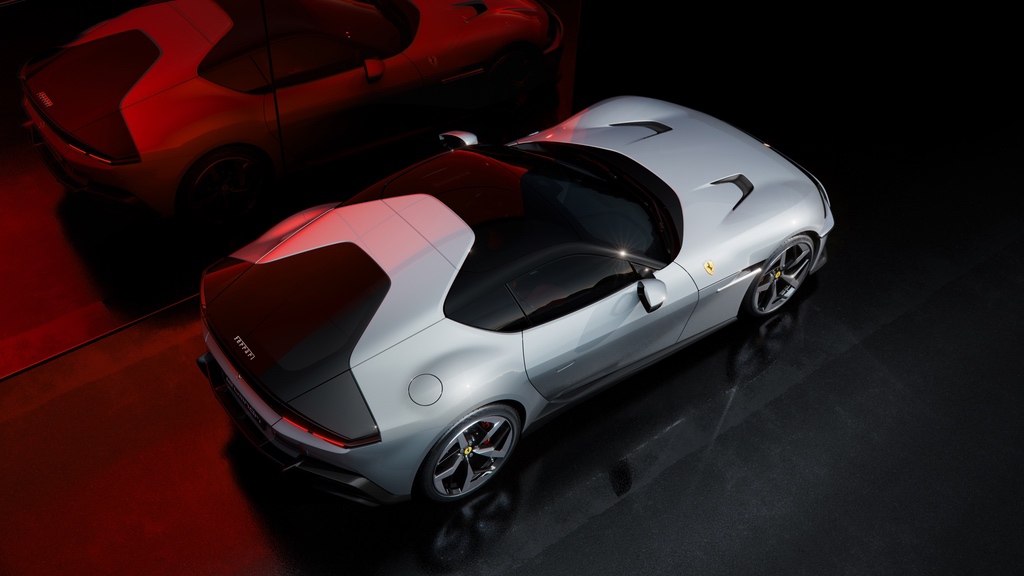
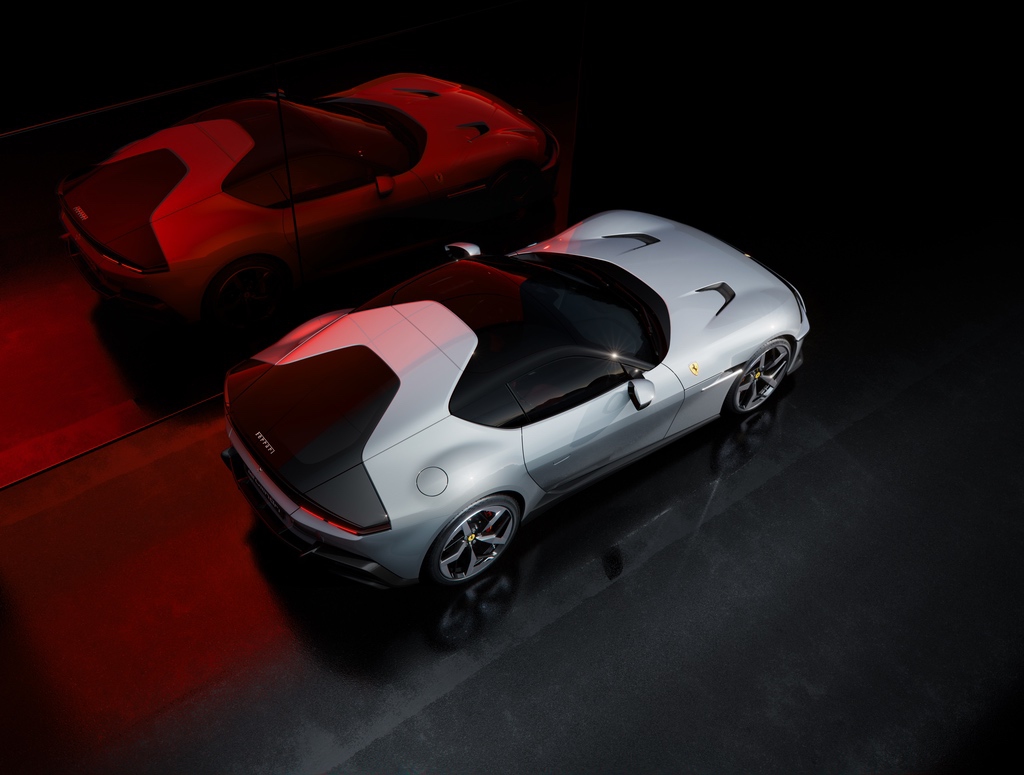
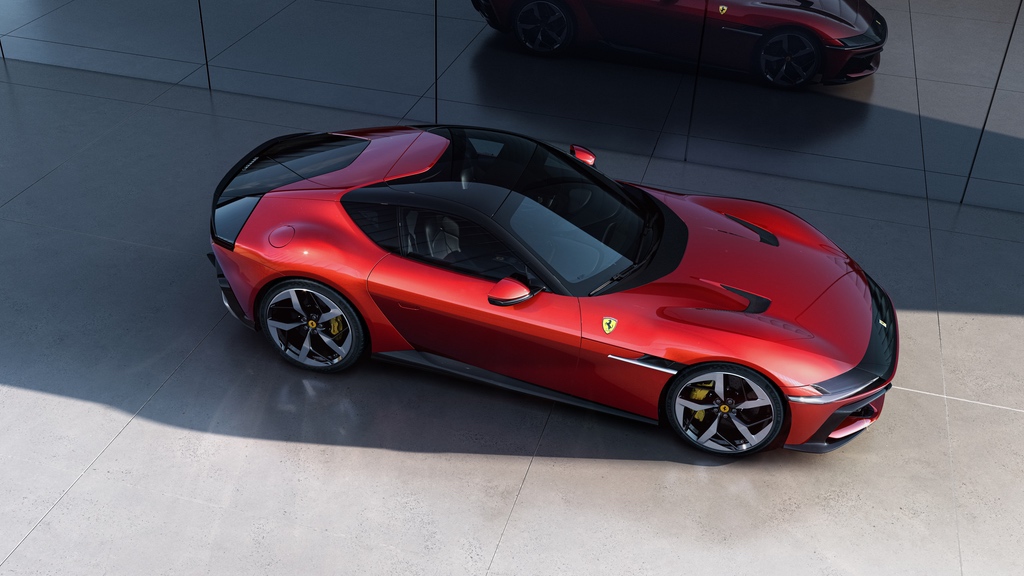
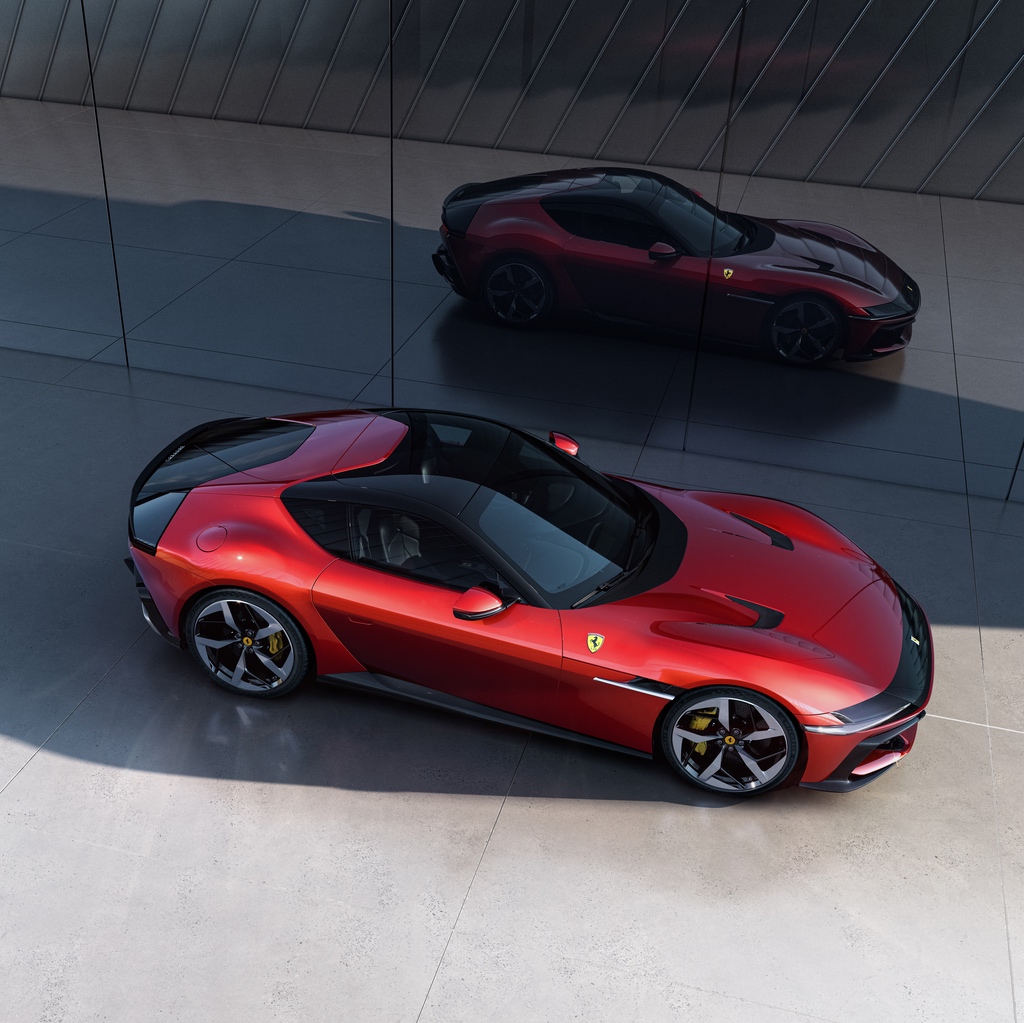
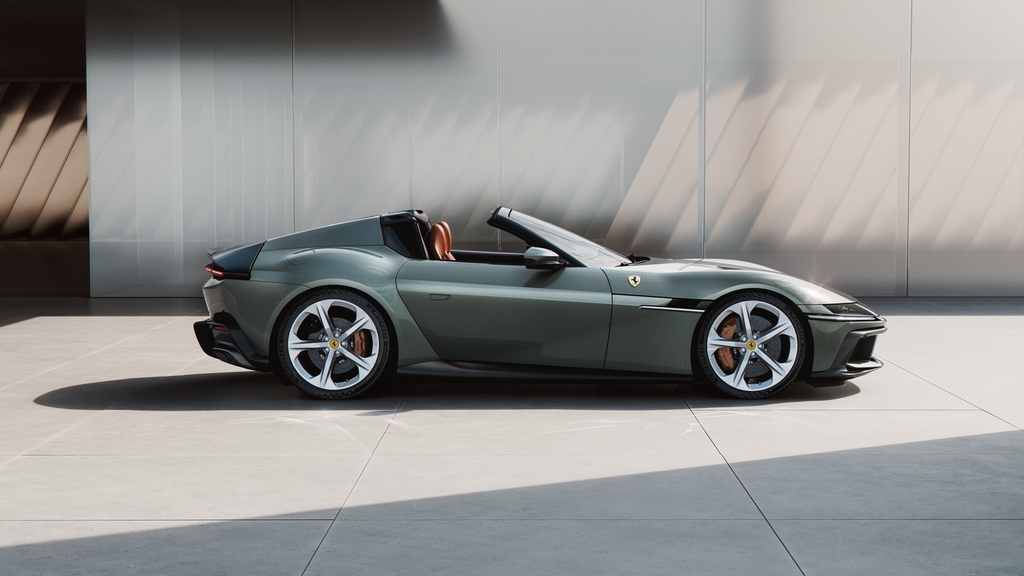
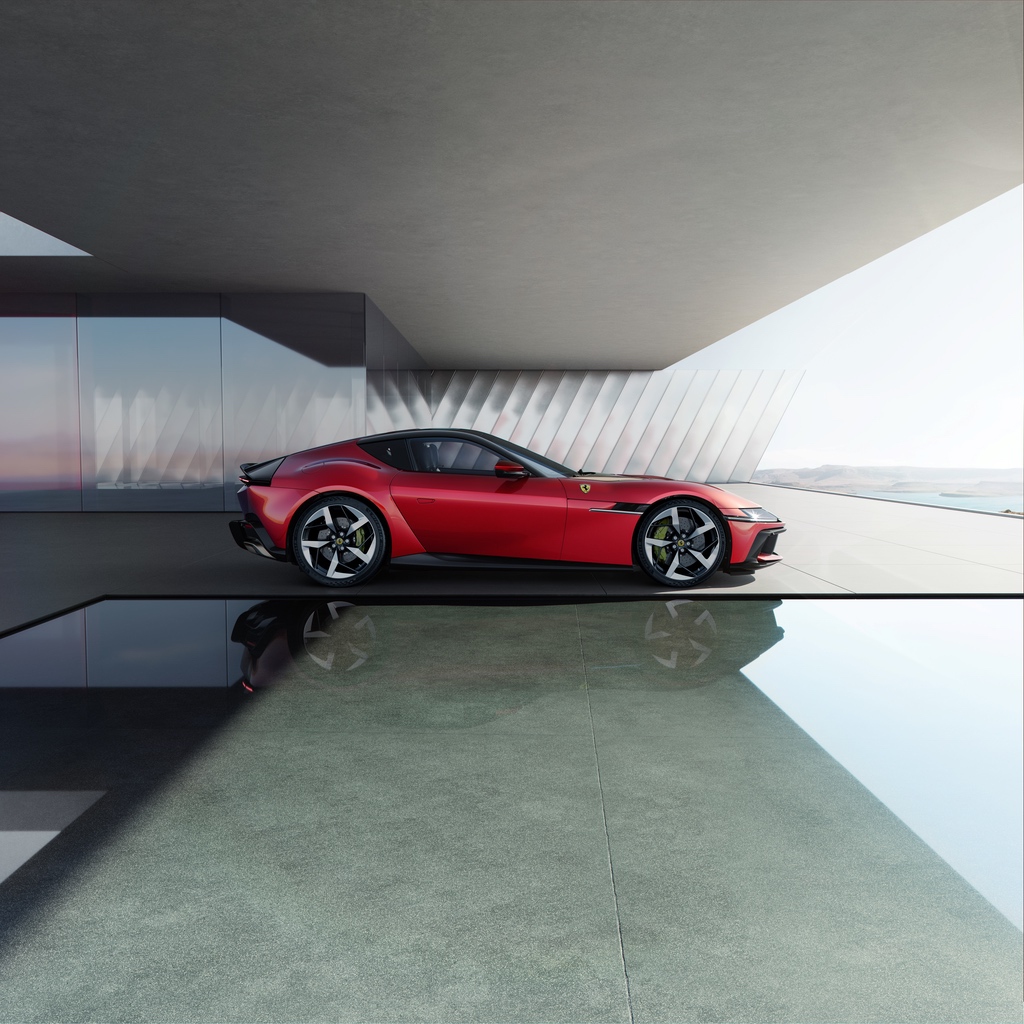
Ferrari has taken a distinctly architectural approach to the design of the 12Cilindri. While previous models such as the 812 Superfast leaned heavily on sculptural aggression, the 12Cilindri adopts a cleaner, more deliberate aesthetic language that blends retro influence with modern aerodynamic requirements.
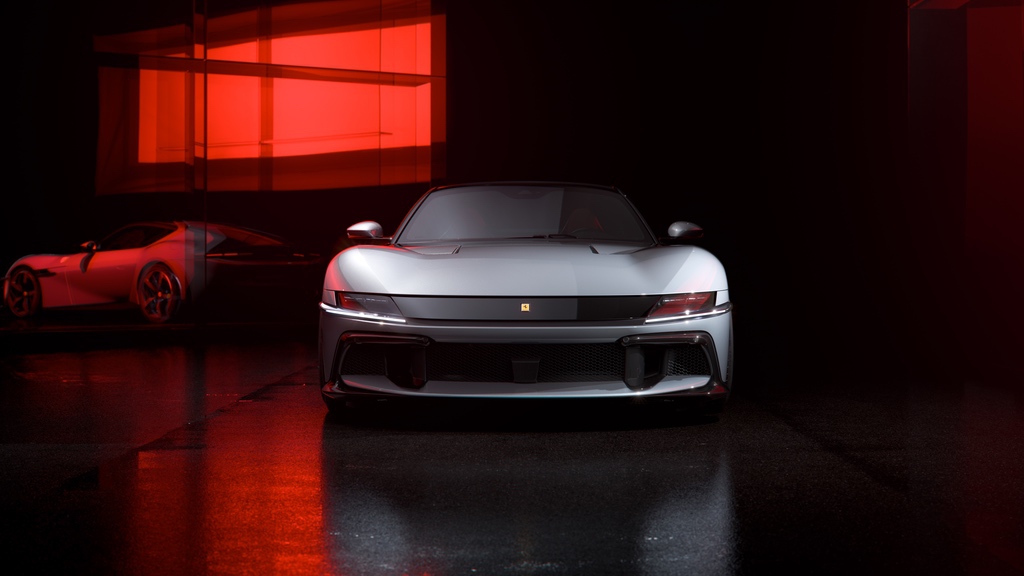
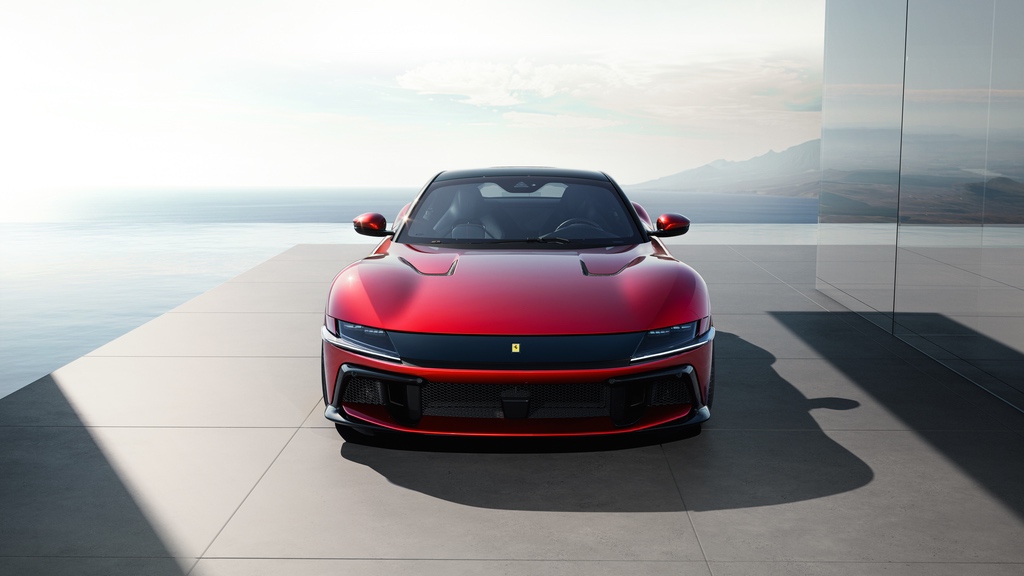
At the front, the design is dominated by a wide, horizontal graphic element that integrates lighting and aerodynamic surfaces into a single cohesive structure. This approach is reminiscent of 1960s and 1970s Ferrari grand tourers, particularly the Ferrari 365 GTB/4 Daytona. However, the execution is distinctly modern, with LED lighting elements and carefully managed airflow channels.
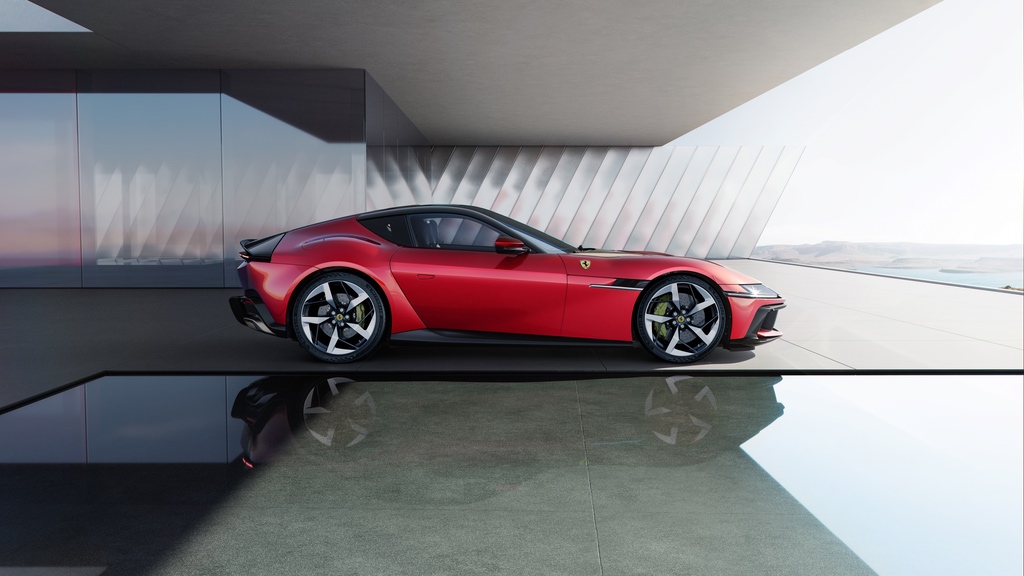
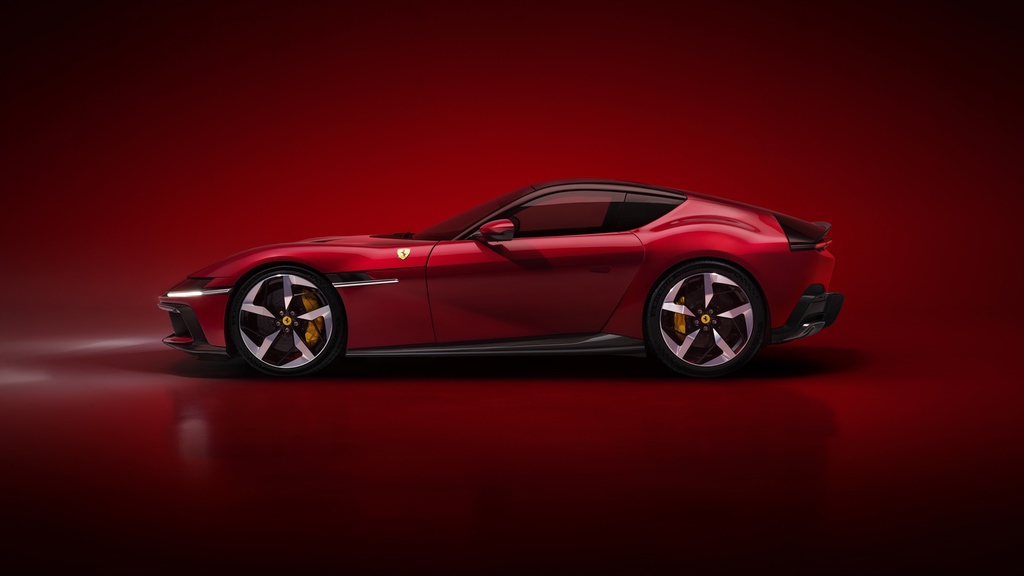
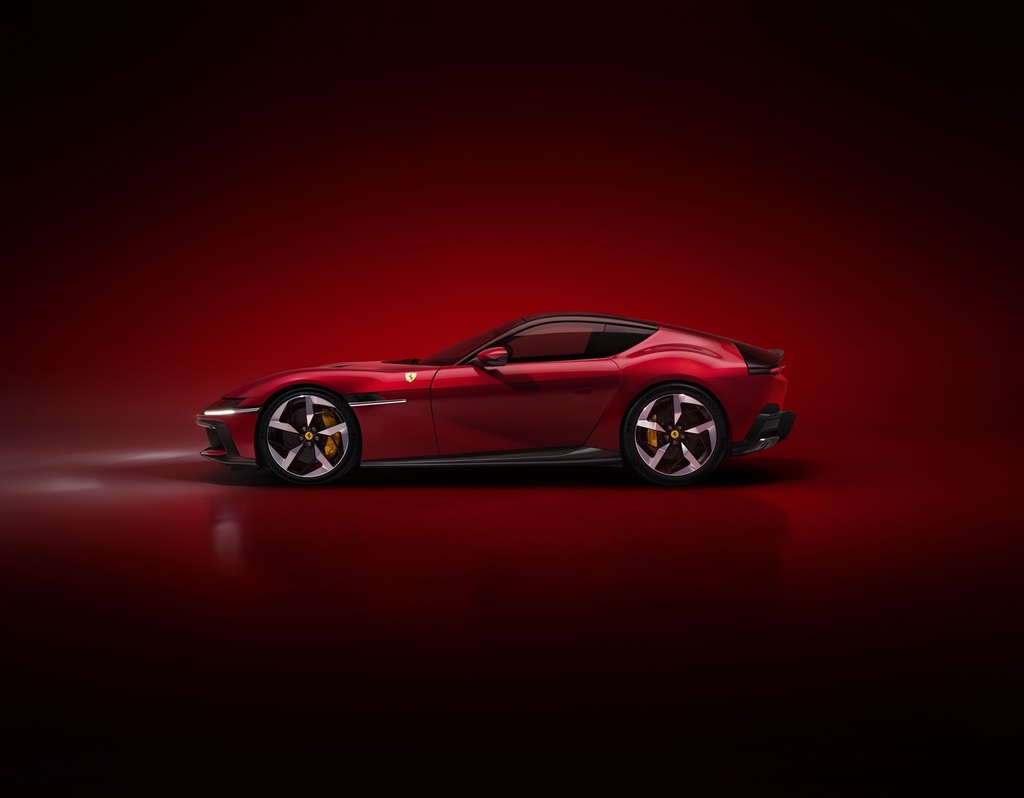
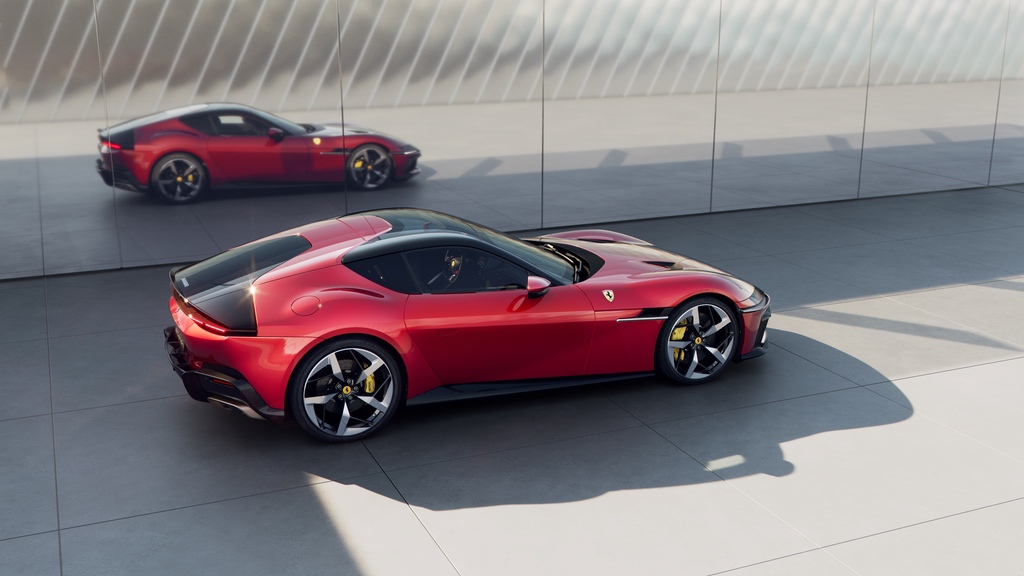
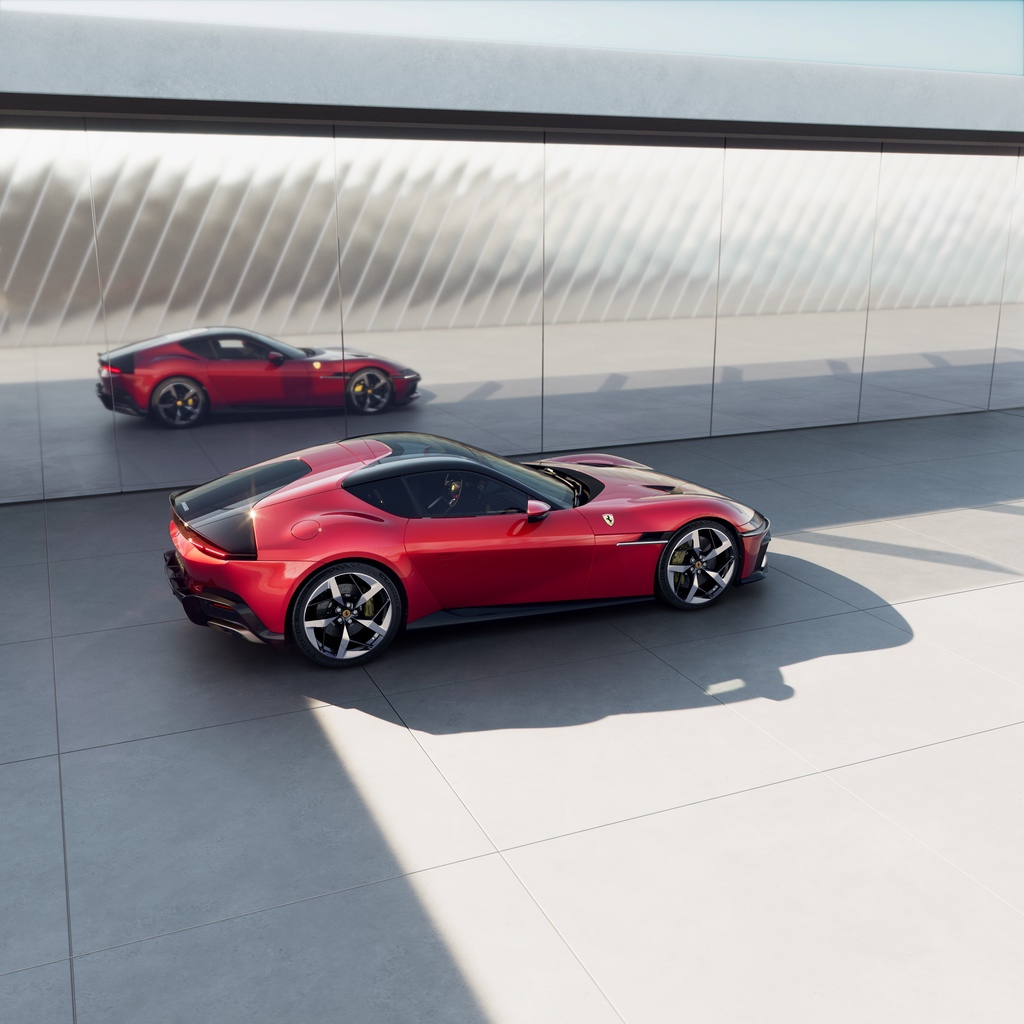
The proportions remain classic front-engined Ferrari:
- Long bonnet housing the V12
- Set-back cabin
- Short rear overhang
These proportions are not merely aesthetic—they are functional. The extended bonnet allows for optimal engine placement behind the front axle, contributing to weight distribution and handling balance.
Aerodynamically, the 12Cilindri is more sophisticated than it initially appears. Ferrari has integrated active and passive airflow management systems to balance cooling, drag reduction, and downforce. Unlike mid-engined supercars that rely on overt aerodynamic devices, the 12Cilindri maintains a relatively clean surface treatment, reflecting its grand touring focus.
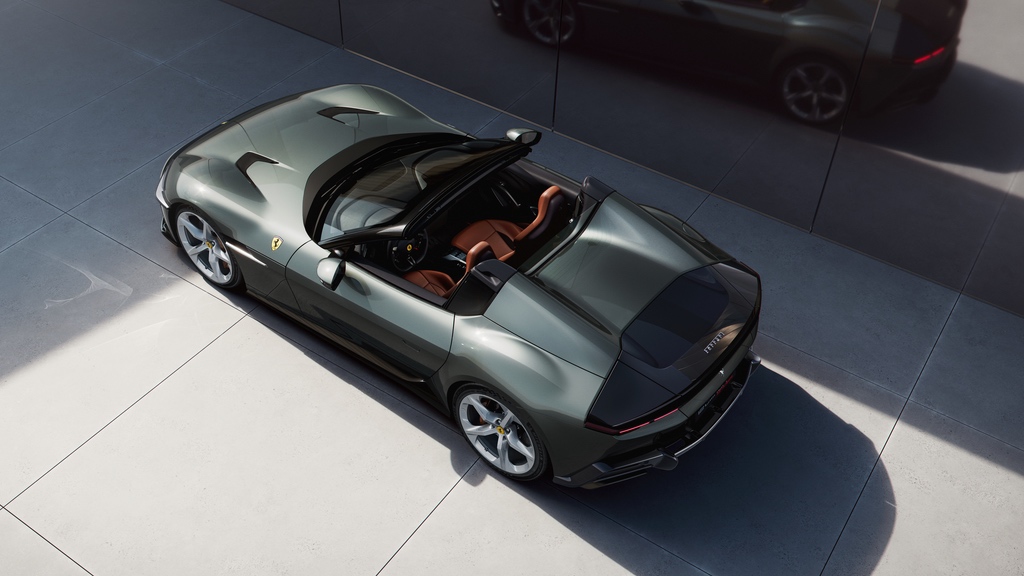
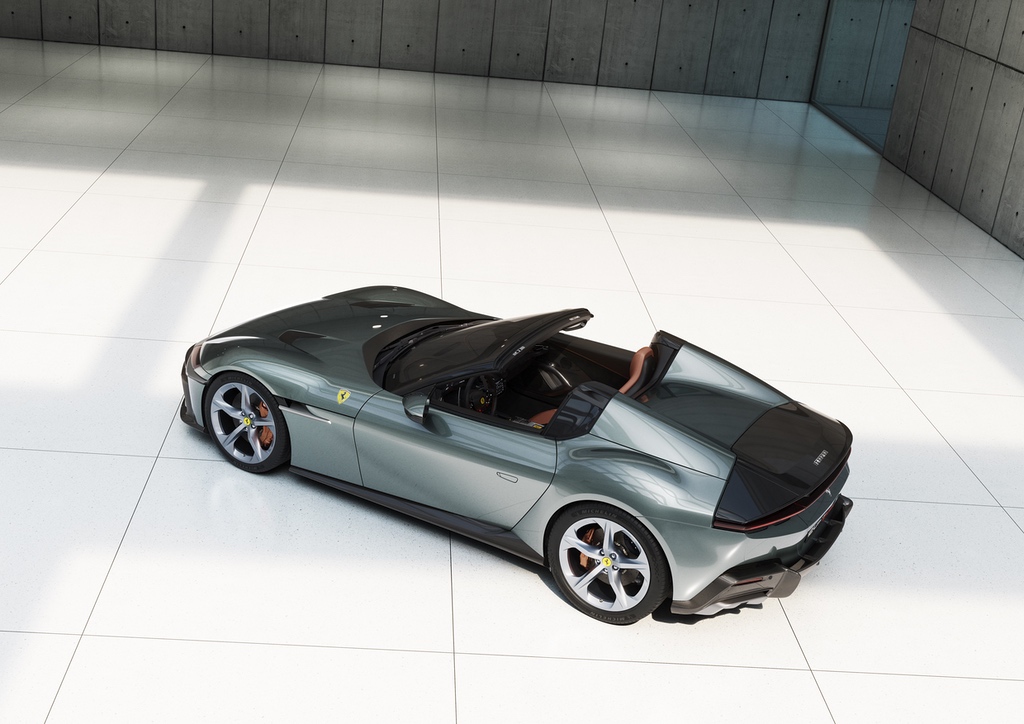
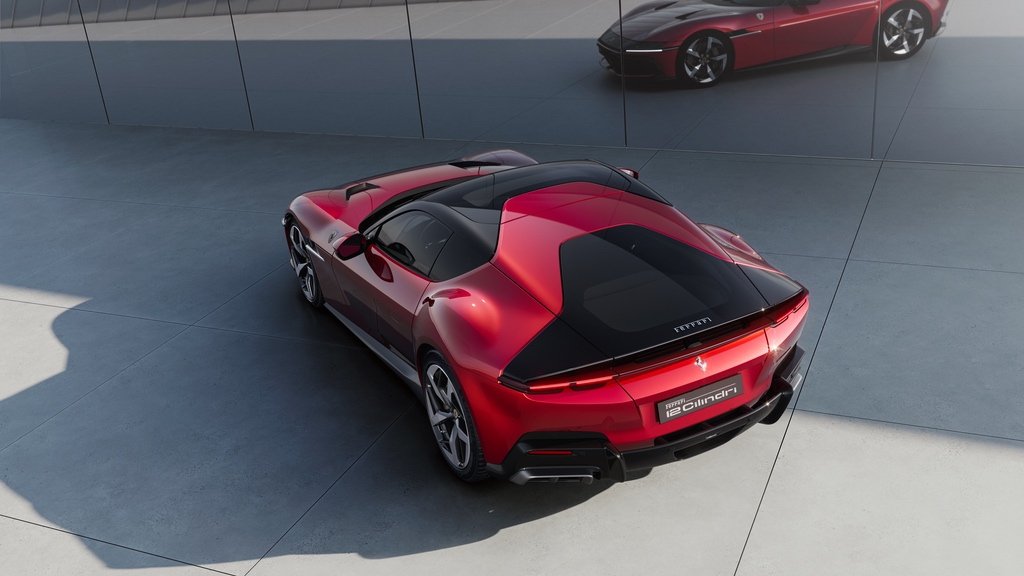
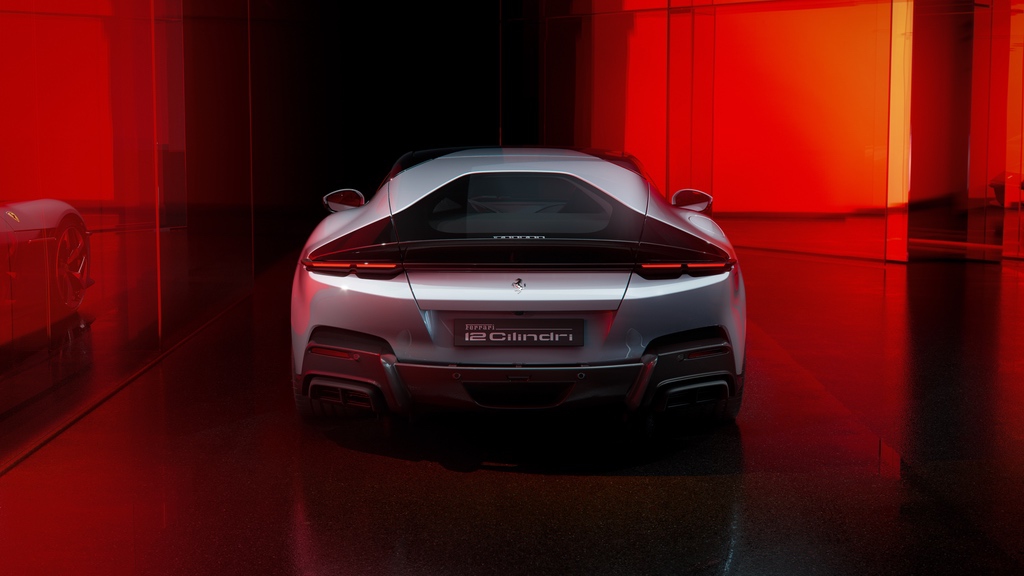
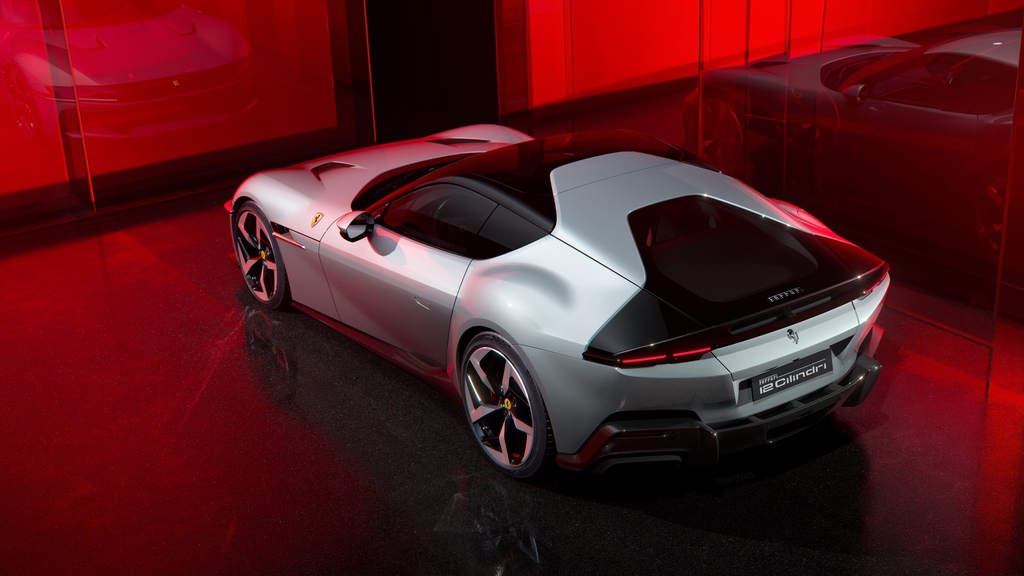
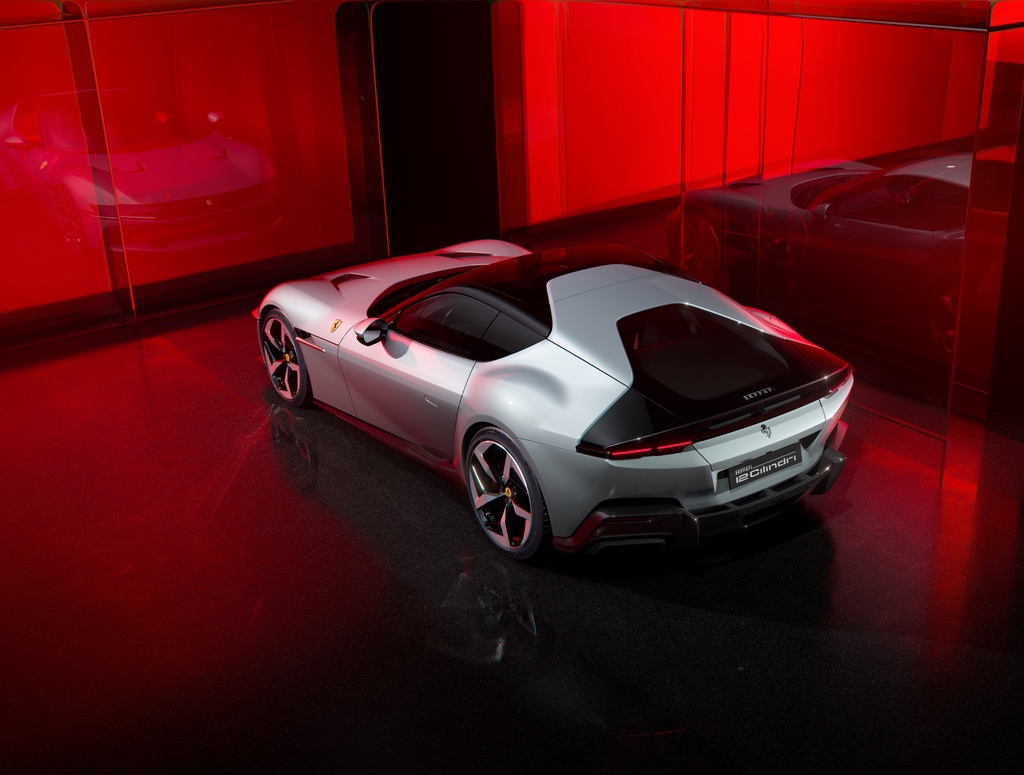
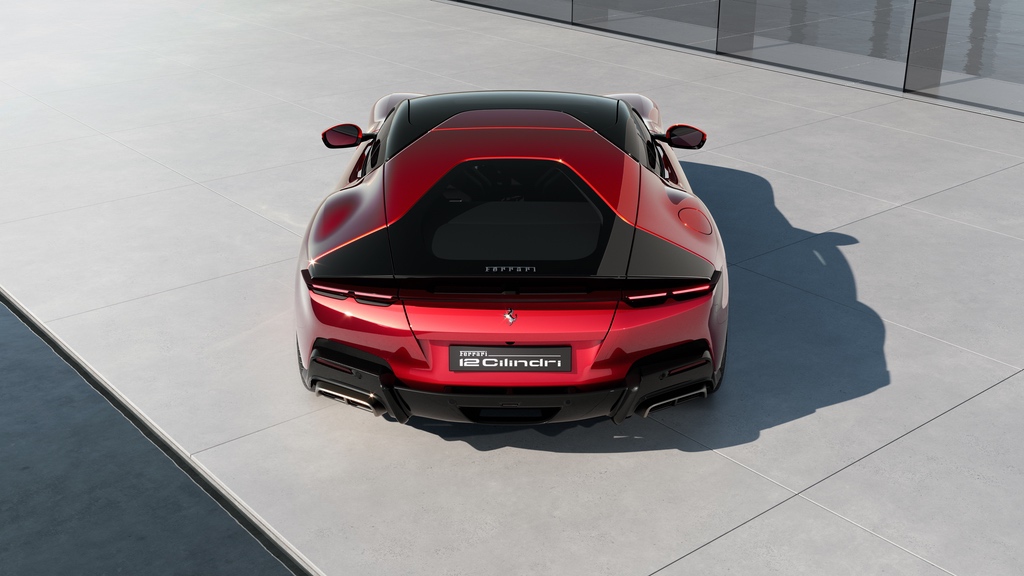
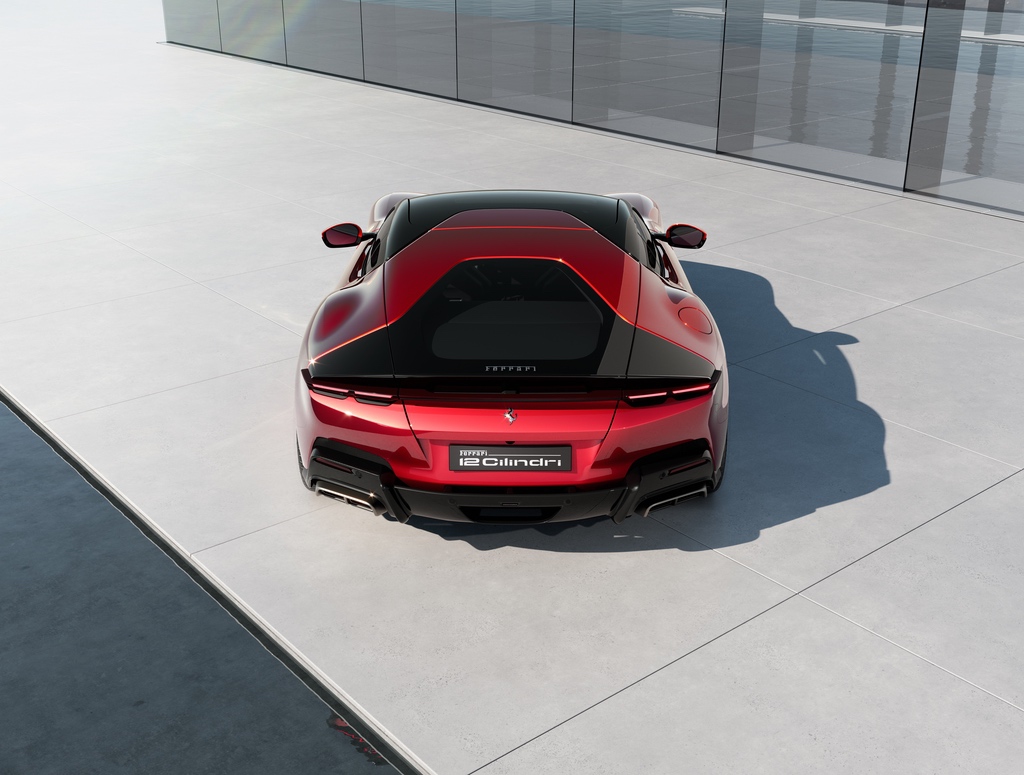
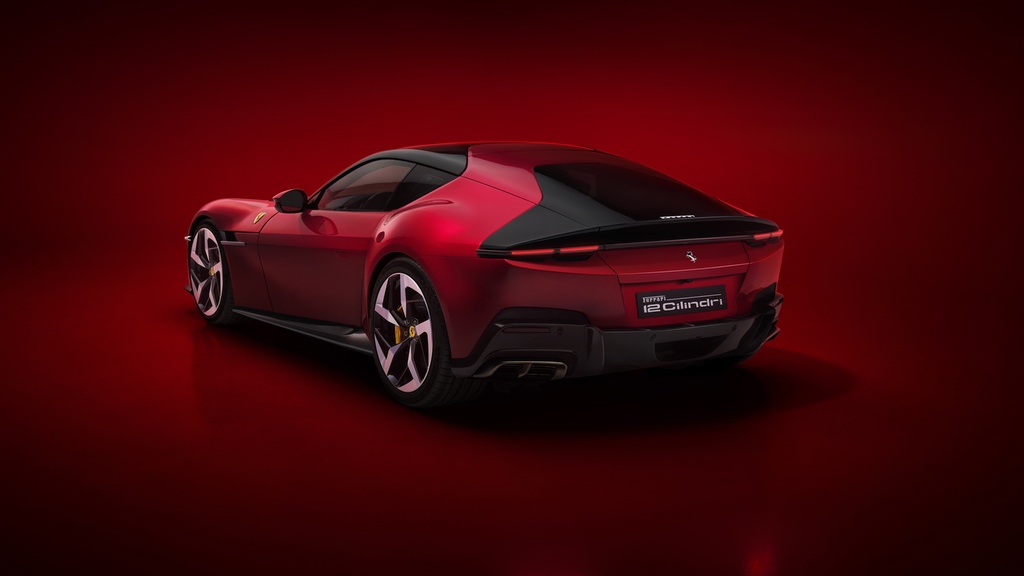
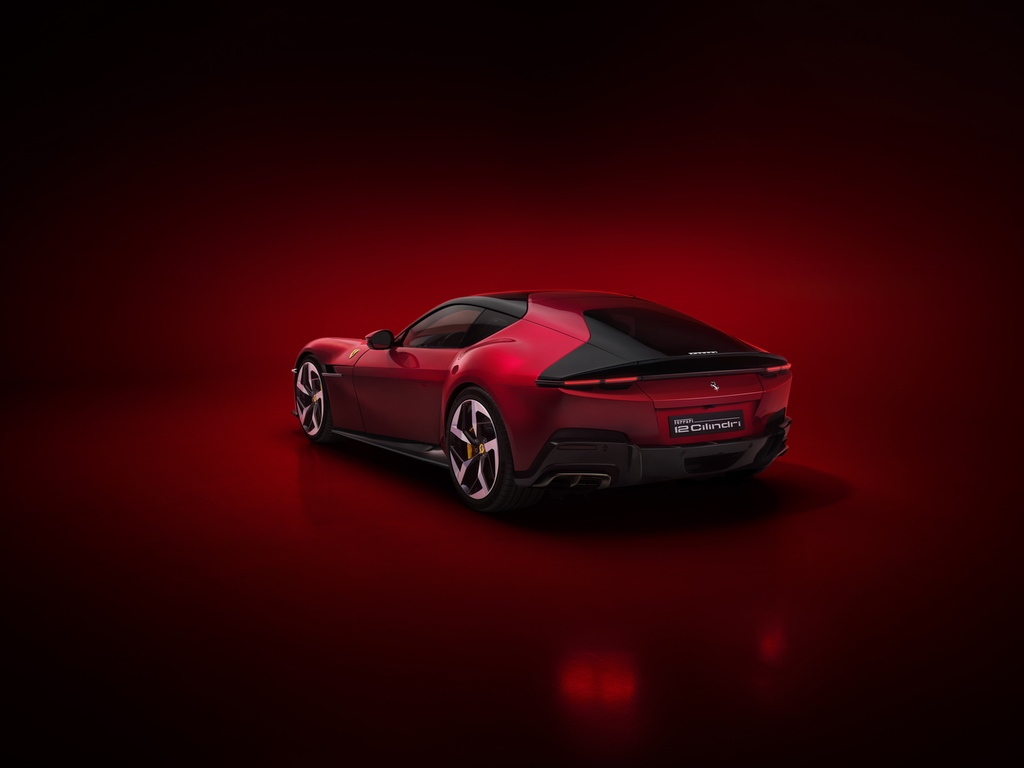
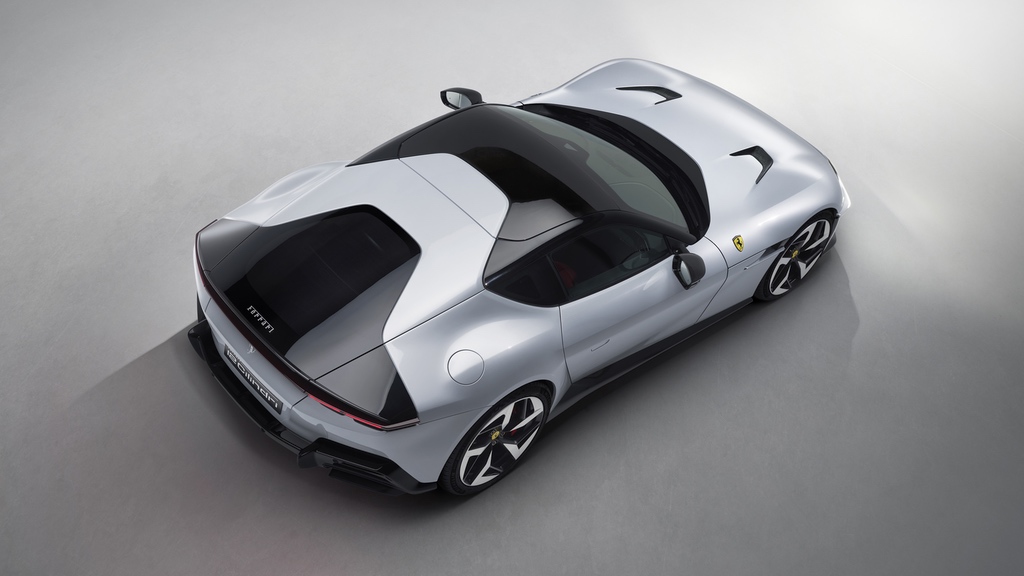
The rear design is particularly notable. It departs from traditional Ferrari round taillights, instead using a more horizontal layout that emphasises width and stability. This aligns with the car’s broader design philosophy: understated confidence rather than overt aggression.
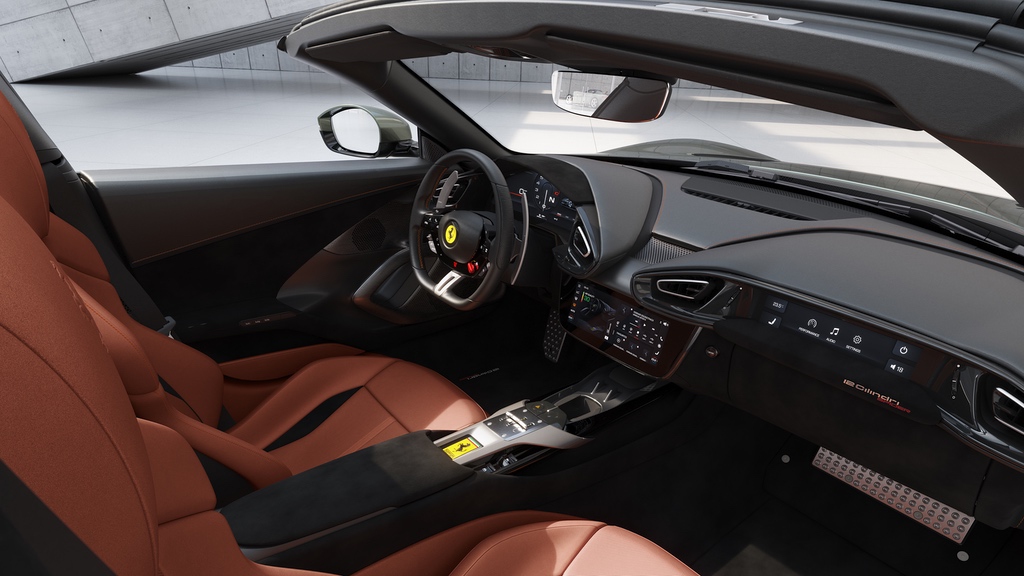
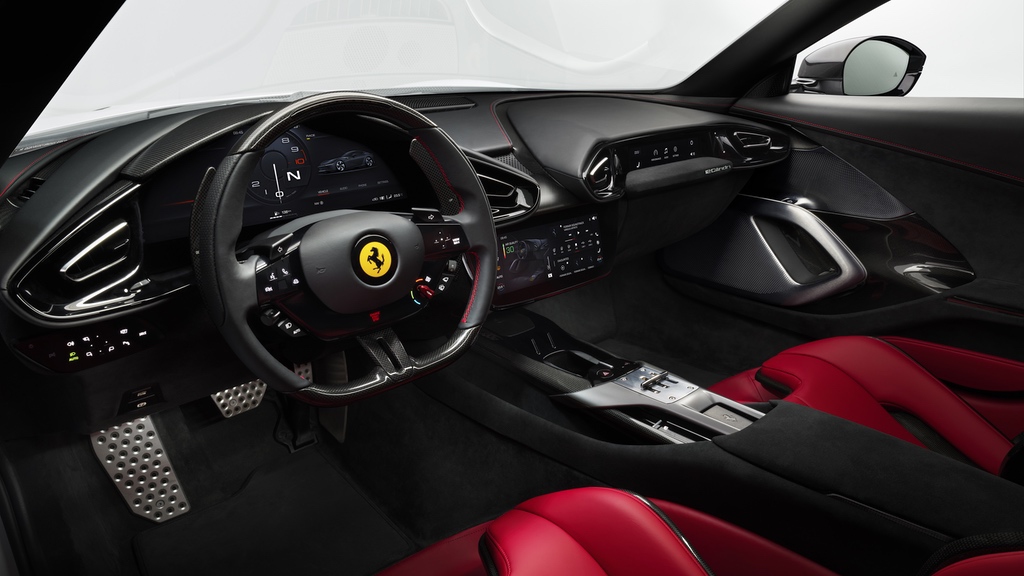
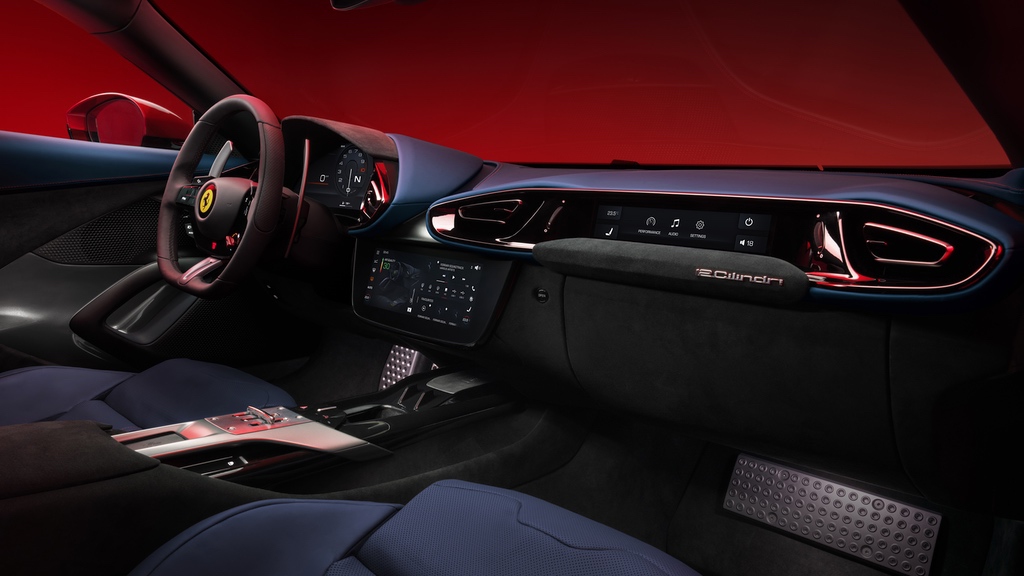
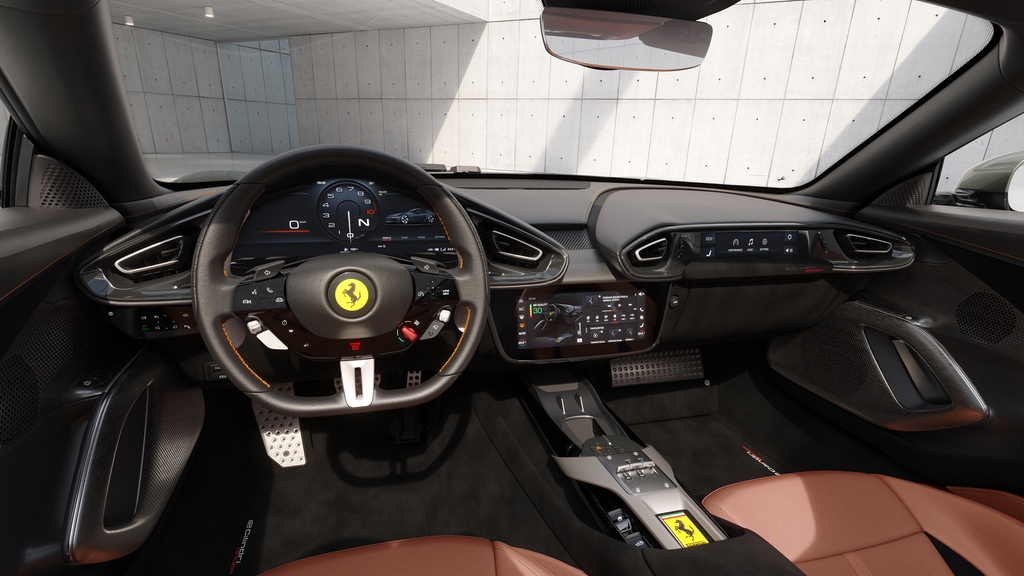
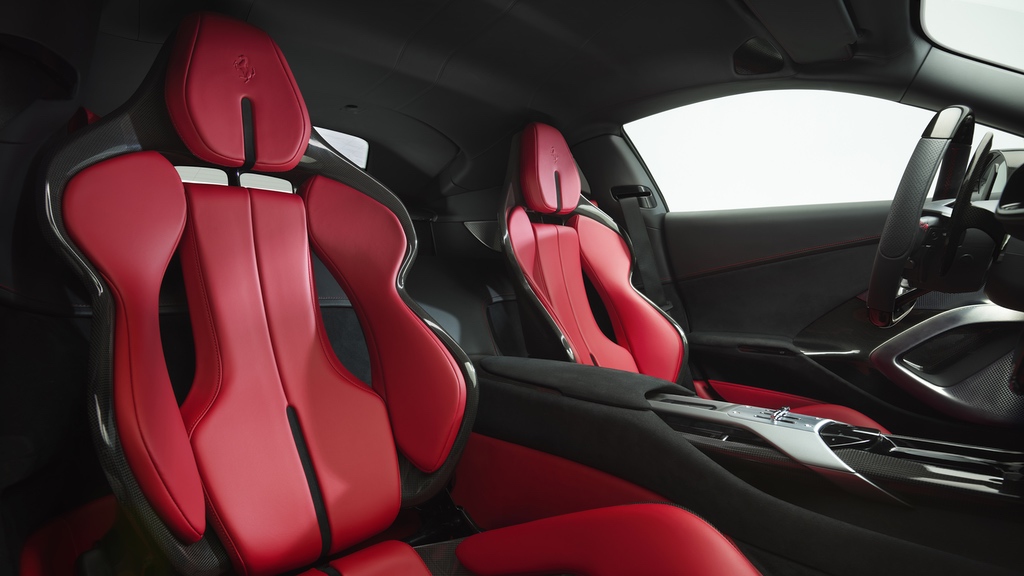
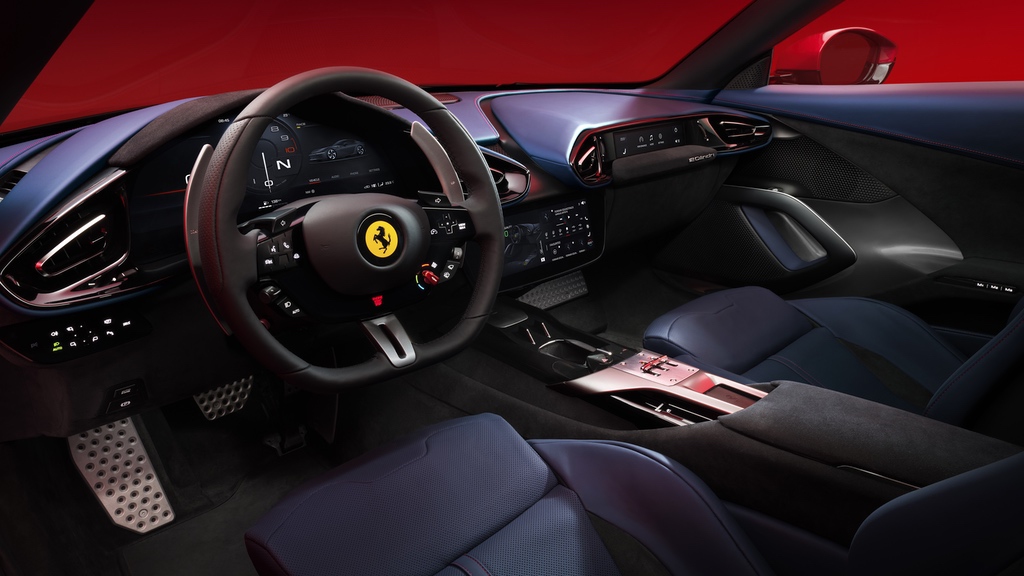
Inside, the cabin reflects Ferrari’s current dual-cockpit architecture. The driver and passenger are given distinct zones, each with dedicated digital displays. Materials are consistent with Ferrari’s premium positioning—high-grade leather, carbon fibre, and aluminium—but the emphasis is on usability rather than excess.
From a buyer’s perspective, the design strikes a balance between heritage and modernity. It avoids the risk of appearing dated, while still referencing Ferrari’s historical identity. This is important for long-term appeal, particularly in the collector market, where design longevity is a key factor in value retention.
4. Engine & Technical Specifications
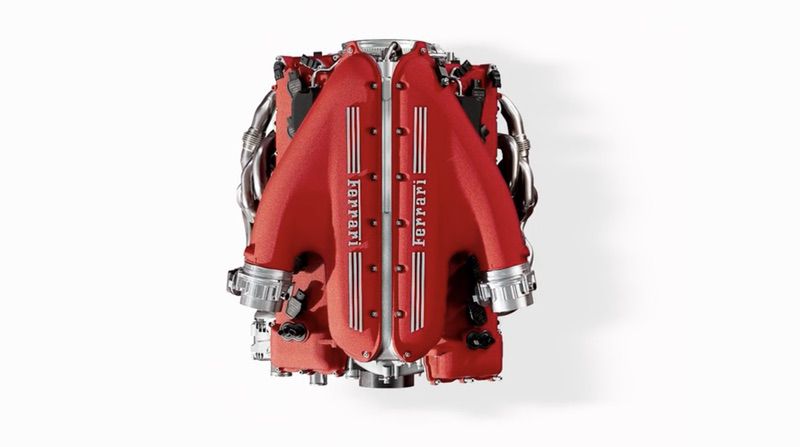
At the core of the Ferrari 12Cilindri is a 6.5-litre naturally aspirated V12 engine—an evolution of the unit found in the 812 Superfast, but significantly refined.
Key specifications:
- Engine: 6.5L naturally aspirated V12
- Power: ~819 hp (830 PS)
- Torque: ~678 Nm
- Redline: ~9,500 rpm
- Transmission: 8-speed dual-clutch
- Layout: Front-mid engine, rear-wheel drive
The headline figure is not just the power output, but the redline. At approximately 9,500 rpm, the engine operates in a regime that is increasingly rare in modern road cars. Achieving this requires extensive engineering in areas such as:
- Lightweight internal components
- Advanced lubrication systems
- Optimised airflow and combustion
Ferrari has also implemented software-based torque shaping, particularly in lower gears. This allows the engine to deliver power progressively, improving drivability without compromising peak performance.
The transmission is an evolution of Ferrari’s dual-clutch system, offering faster shift times and improved integration with the engine’s high-revving characteristics. Gear ratios are carefully calibrated to maximise acceleration while maintaining usability in real-world conditions.
Chassis technology plays a critical role:
- Rear-wheel steering enhances agility at low speeds and stability at high speeds
- Electronic differential improves traction and cornering performance
- Brake-by-wire system optimises braking response and consistency
Importantly, the 12Cilindri remains rear-wheel drive. This is a deliberate choice, reinforcing its identity as a driver-focused grand tourer rather than an all-weather performance machine.
5. Performance
Performance in the Ferrari 12Cilindri must be understood in context. While the raw figures are impressive—0–100 km/h in approximately 2.9 seconds and a top speed exceeding 340 km/h—the true significance lies in how that performance is delivered.
Acceleration is immediate but progressive. Unlike turbocharged engines that rely on boost, the naturally aspirated V12 provides a linear power curve. This means that throttle input translates directly into acceleration, creating a more predictable and engaging driving experience.
At higher speeds, the car’s character changes. The engine’s willingness to rev beyond 9,000 rpm creates a sense of mechanical intensity that is increasingly rare. This is not just about speed—it is about the process of reaching that speed.
Handling is defined by balance rather than outright grip. The front-mid engine layout ensures that weight is distributed towards the centre of the car, reducing inertia and improving responsiveness. Rear-wheel steering further enhances this, allowing the car to feel smaller and more agile than its dimensions suggest.
Braking performance is equally important. The brake-by-wire system allows for precise modulation, particularly under high load. This improves confidence during aggressive driving, especially on demanding roads.
From a comparative standpoint, the 12Cilindri is not designed to outperform hybrid hypercars in absolute acceleration. Instead, it offers a different type of performance—one that prioritises driver engagement, mechanical feedback, and consistency over repeated high-speed runs.
6. Variants & Special Editions
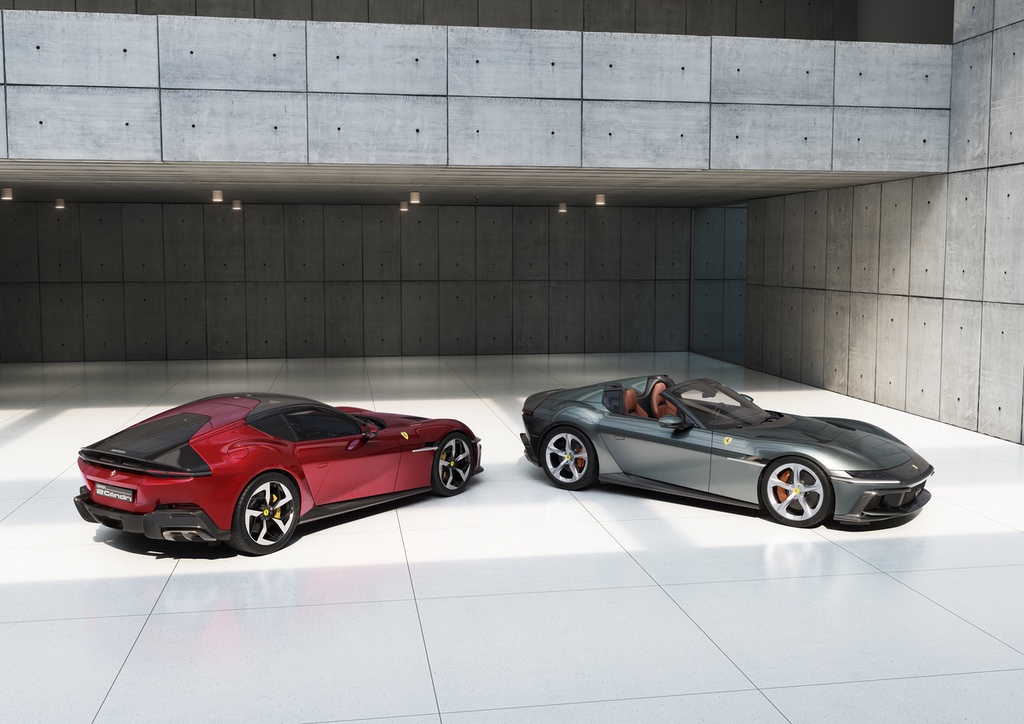
At launch, the Ferrari 12Cilindri is expected to follow Ferrari’s established product lifecycle strategy. This typically involves an initial coupe release, followed by a convertible variant, and eventually more focused or limited-run derivatives.
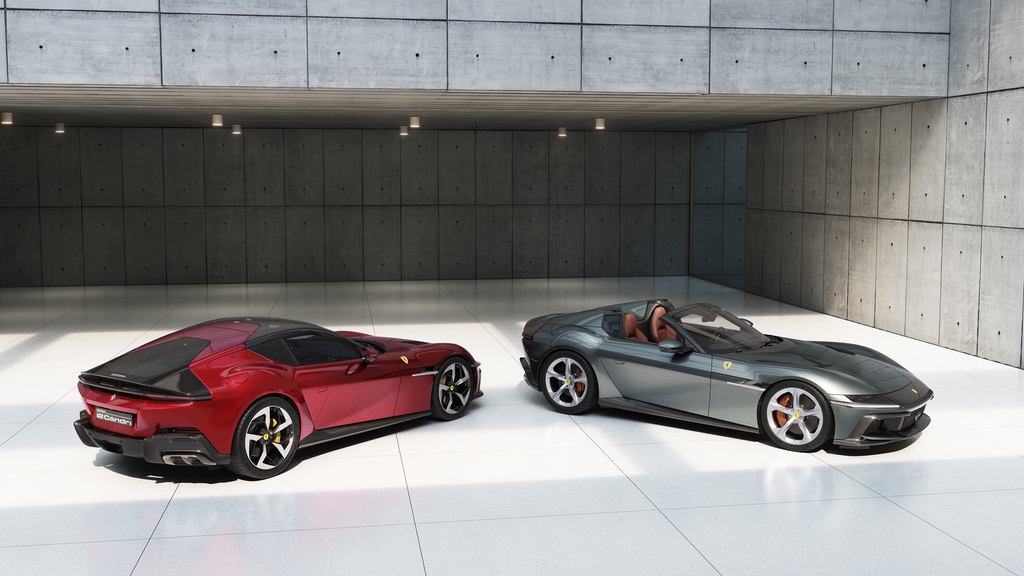
Coupe and Spider
The core lineup consists of:
- 12Cilindri Coupe
- 12Cilindri Spider
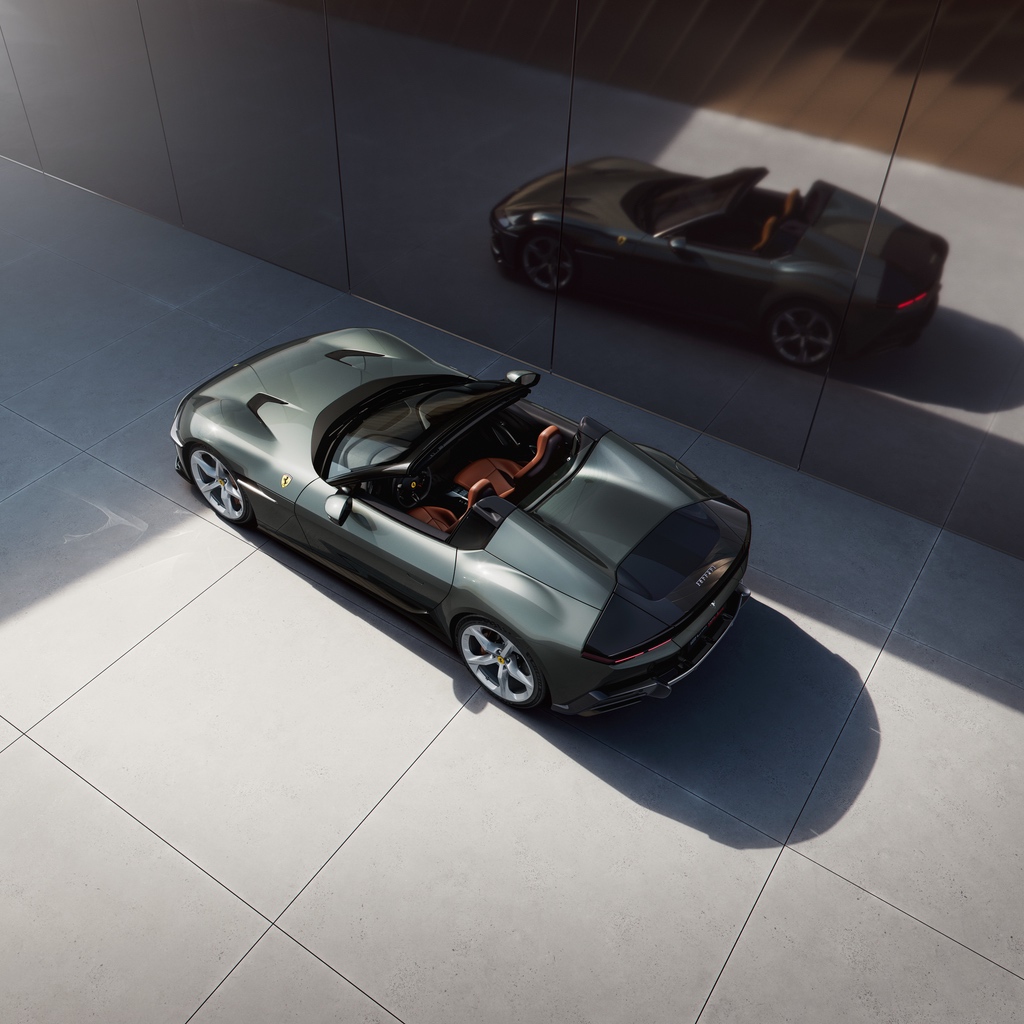
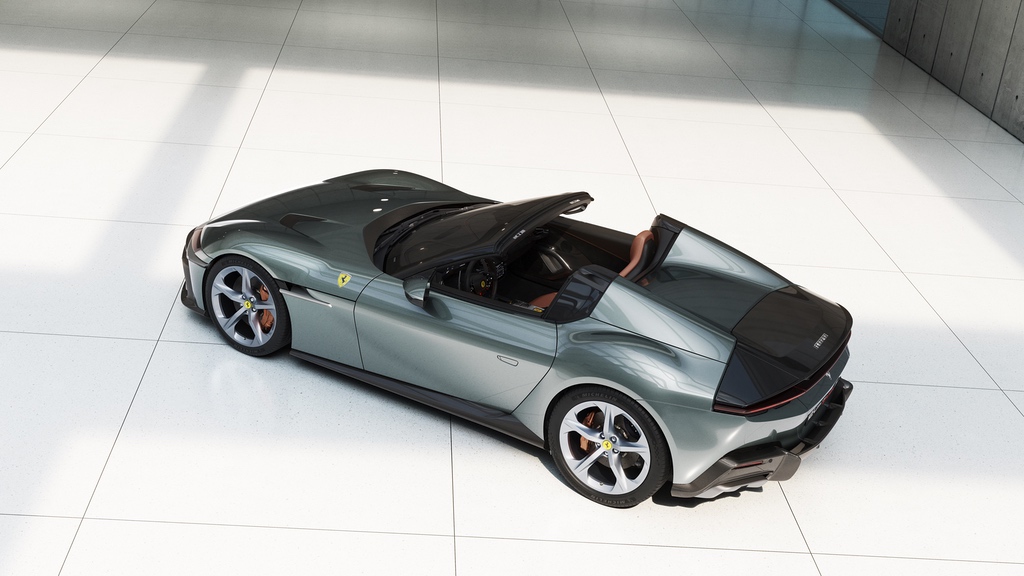
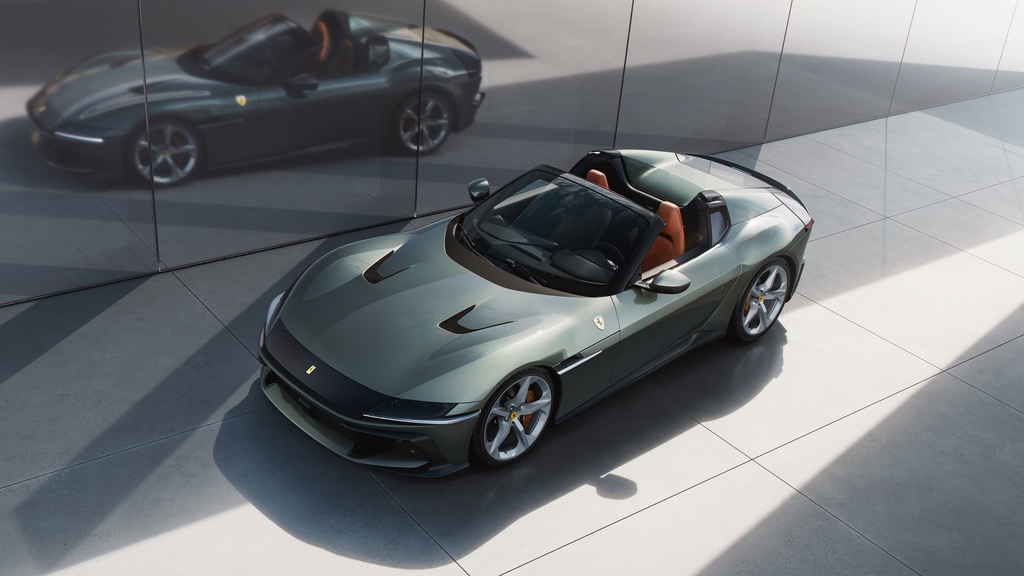
The Spider introduces a retractable hardtop, adding weight but enhancing usability in varied conditions. Historically, Ferrari’s Spider variants command strong demand, particularly in markets with favourable climates.
Future Special Series
Ferrari’s track record suggests the likely introduction of more focused variants:
- Lightweight, performance-oriented versions (similar to 812 Competizione)
- Limited-run collector editions
These models typically feature:
- Reduced weight
- Revised aerodynamics
- Increased exclusivity
From an investment perspective, these variants often outperform standard models in the secondary market. However, they are also more difficult to acquire, as Ferrari prioritises loyal customers for allocation.
Tailor Made & Personalisation
A key aspect of Ferrari ownership is personalisation. Through the Tailor Made programme, buyers can specify:
- Unique colour combinations
- Bespoke interior materials
- Custom detailing
This level of customisation allows each car to be effectively unique, which can influence resale value depending on specification choices.
7. Driving Experience
The defining characteristic of the Ferrari 12Cilindri is its duality. It is both a high-performance machine and a refined grand tourer, and the driving experience reflects this balance.
At low speeds, the car is surprisingly manageable. Steering is light, visibility is reasonable for the segment, and the transmission operates smoothly. This makes it viable for urban use, although its size remains a limiting factor.
As speed increases, the car transforms. The engine becomes the dominant feature, delivering a continuous surge of power accompanied by a progressively intensifying sound. This is not an artificial soundtrack—it is the result of mechanical processes occurring at extremely high speeds.
Cornering behaviour is predictable and controlled. The combination of rear-wheel drive and advanced electronic systems allows the driver to explore the car’s limits without excessive risk. This is particularly important for less experienced drivers transitioning into high-performance vehicles.
On long journeys, the 12Cilindri excels. Ride quality is firm but not harsh, and the cabin provides sufficient comfort for extended driving. This aligns with its grand touring role, distinguishing it from more track-focused Ferraris.
8. Ownership Insights
Owning a Ferrari 12Cilindri involves a set of financial and practical considerations that extend beyond the purchase price.
Running Costs
- Annual servicing: ~£2,000–£4,000 ($2,500–$5,000)
- Insurance: ~£5,000–£10,000 ($6,500–$13,000) depending on profile
- Fuel consumption: High (expect <15 mpg in real-world driving)
Ferrari typically includes a 7-year maintenance programme, covering scheduled servicing. This reduces initial ownership costs but does not eliminate expenses related to wear items.
Servicing Reality
Servicing must be carried out by authorised Ferrari dealers or specialists. Parts and labour costs are high, reflecting the complexity of the vehicle. However, reliability of modern Ferraris has improved significantly compared to earlier generations.
Reliability Expectations
The naturally aspirated V12 is a proven platform, but the complexity of supporting systems (electronics, transmission, braking) introduces potential points of failure. Regular maintenance is essential.
Usability
While usable as a grand tourer, the 12Cilindri is not a daily driver for most owners. Ground clearance, fuel costs, and general practicality limit its everyday appeal.
9. Market Value & Depreciation
The Ferrari 12Cilindri is expected to launch with a base price in the region of:
- £330,000–£350,000
- $420,000–$450,000
Initial depreciation patterns will likely follow typical Ferrari behaviour:
- Moderate depreciation in the first 2–3 years
- Stabilisation as supply decreases
- Potential appreciation for well-specified or limited variants
Key factors influencing value:
- Specification (colour, options)
- Mileage and condition
- Ownership history
Long-term, naturally aspirated V12 Ferraris have shown strong value retention. As regulations tighten, this trend may accelerate.
10. Competitors
Aston Martin DBS Superleggera
The DBS offers a turbocharged V12 with strong torque delivery. It is less focused on high-revving performance and more on effortless speed. Compared to the 12Cilindri, it feels more relaxed but less engaging at high revs.
Lamborghini Revuelto
The Revuelto represents the opposite philosophy—hybridisation and all-wheel drive. It delivers superior acceleration but lacks the linear, naturally aspirated character of the Ferrari.
Bentley Continental GT Speed
Bentley prioritises luxury and refinement. While extremely fast, it does not offer the same level of driver engagement as the Ferrari.
11. FAQs
Is the Ferrari 12Cilindri naturally aspirated?
Yes. It uses a 6.5-litre naturally aspirated V12 with no hybrid assistance.
How much does it cost?
Approximately £330,000–£350,000 ($420,000–$450,000) before options.
Is it limited production?
Not strictly limited, but production volumes are constrained.
Is it a good investment?
Potentially, particularly long-term due to the rarity of V12 engines.
Can it be used daily?
Technically yes, but not practical for most owners.
How does it compare to the 812 Superfast?
It offers more power, improved technology, and a more refined driving experience.
12. Related Articles
- Ferrari 812 Superfast
- Ferrari SF90 Stradale
- Ferrari Purosangue
- Lamborghini Revuelto
- Aston Martin DBS Superleggera
13. Are You Ready?
- Looking to buy a Ferrari 12Cilindri? Click to find available cars.
- Need insurance? Click to apply for Supercar Insurance.
- Need a service? Click to book a specialist service.
- Buying one? Click to request a PPI inspection.
- Selling your car? Click to request a valuation.