1. Introduction
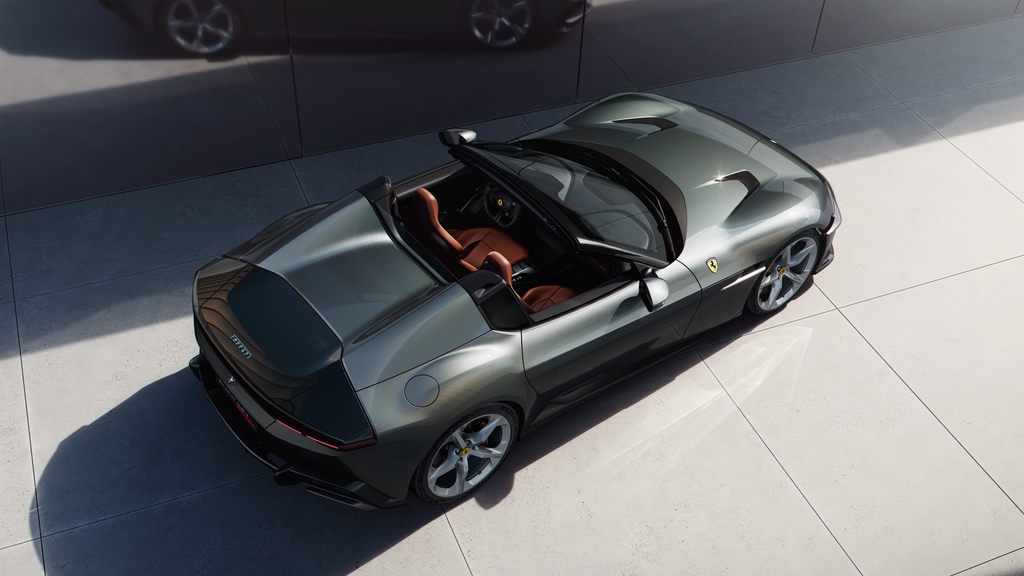
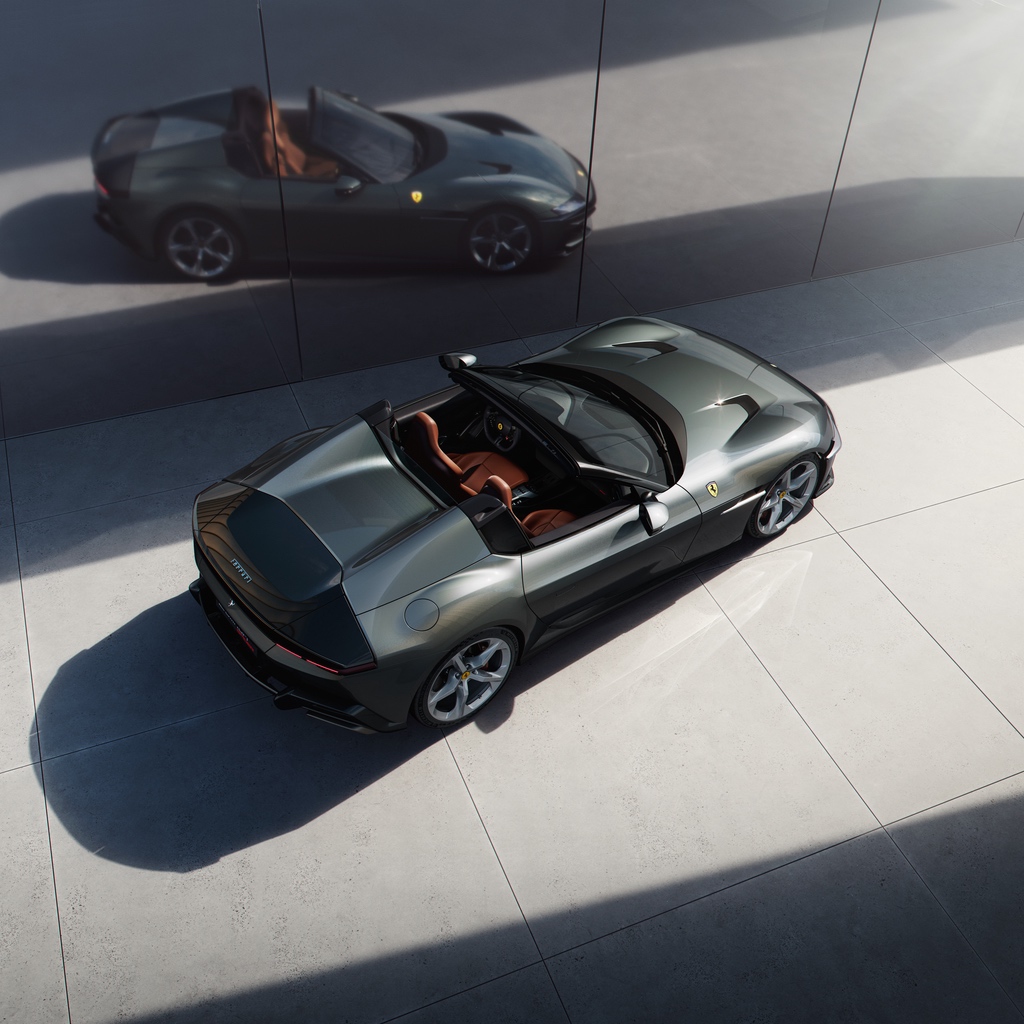
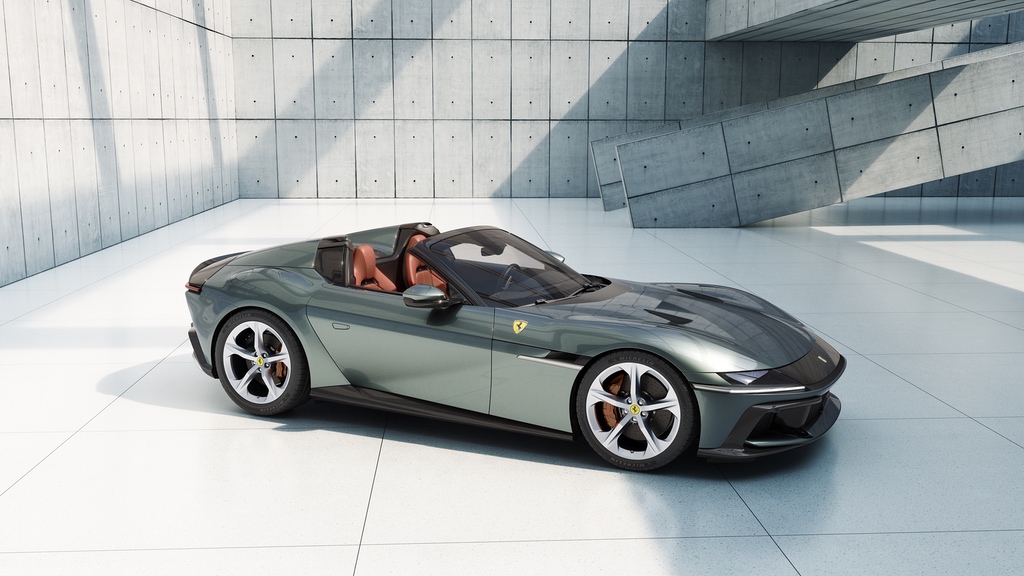
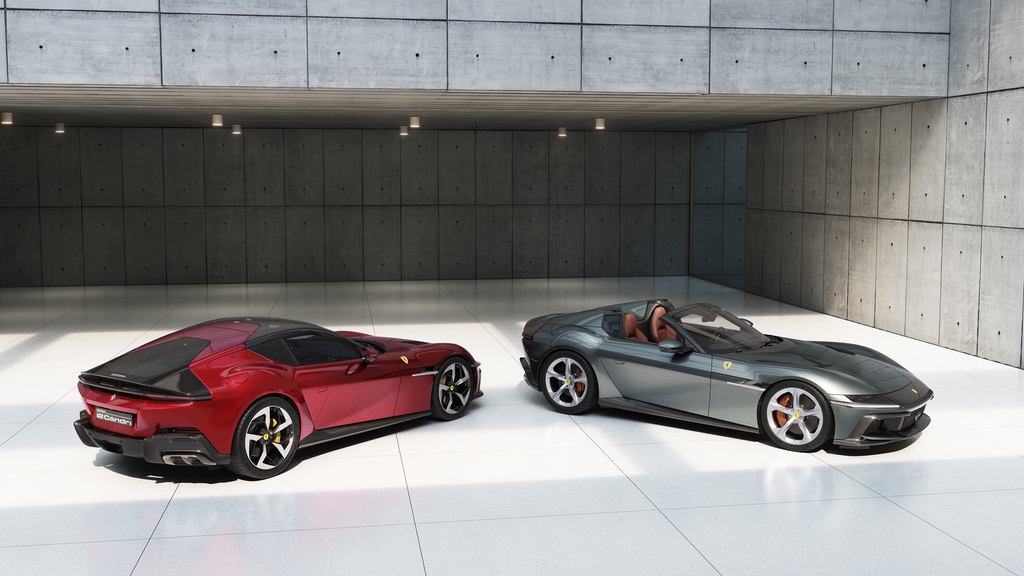
The Ferrari 12Cilindri Spider represents one of the most deliberate engineering statements Ferrari has made in recent years. In a market increasingly shaped by hybridisation, downsizing, and digital intervention, the 12Cilindri Spider does something fundamentally different: it removes the roof and amplifies the core experience of a naturally aspirated V12 grand tourer. This is not a derivative variant—it is a recalibration of the entire concept.
Where the coupe version of the Ferrari 12Cilindri focuses on structural purity and closed-body rigidity, the Spider shifts emphasis toward sensory engagement. The removal of the roof is not simply about open-air driving—it fundamentally alters how the car communicates with the driver. Sound, airflow, and environmental exposure become integral components of the experience, rather than secondary considerations.
From a positioning perspective, the 12Cilindri Spider occupies a unique space within Ferrari’s portfolio. It sits above the brand’s V8 Spider offerings in both price and exclusivity, while offering a more emotionally accessible alternative to hybrid hypercars such as the Ferrari SF90 Spider. Crucially, it remains one of the very few open-top cars on the market powered by a high-revving naturally aspirated V12—an increasingly rare combination.
This matters for both enthusiasts and investors. Convertible V12 Ferraris have historically carried a distinct appeal. They combine mechanical theatre with lifestyle usability, making them particularly desirable in markets where climate and driving culture favour open-top motoring. At the same time, as regulatory pressures continue to constrain engine development, cars like the 12Cilindri Spider become more significant from a long-term collectability standpoint.
However, the Spider is not simply about emotion. Ferrari has approached this model with the same level of engineering discipline applied to its coupe counterpart. Structural reinforcement, aerodynamic recalibration, and chassis tuning have all been carefully developed to ensure that the absence of a fixed roof does not compromise performance or driving precision.
The result is a car that must satisfy a complex brief:
- Deliver the full emotional intensity of a naturally aspirated V12
- Provide genuine grand touring usability
- Maintain structural integrity and dynamic capability without a fixed roof
For buyers, the question is not whether the Spider is “better” than the coupe—it is whether the additional sensory engagement justifies the trade-offs in weight, rigidity, and price. For many, particularly those who prioritise experience over outright performance metrics, the answer is unequivocally yes.
2. Production & History
The Ferrari 12Cilindri Spider continues a lineage that is deeply embedded in the brand’s identity. Open-top V12 Ferraris have historically served as the most expressive interpretation of the grand touring concept, combining performance with a level of theatre that closed-body cars cannot fully replicate.
This lineage includes models such as:
- Ferrari 550 Barchetta
- Ferrari 599 SA Aperta
- Ferrari 812 GTS
Each of these cars followed a consistent philosophy: take a front-engined V12 platform and reinterpret it as an open-air experience without fundamentally compromising its performance credentials.
The 12Cilindri Spider builds directly on the foundation established by the 812 GTS. However, the context in which it arrives is significantly different. When the 812 GTS was launched, naturally aspirated V12s were already under pressure, but not yet at the point of near-extinction. Today, the landscape has shifted dramatically. Emissions regulations, electrification mandates, and evolving consumer expectations have reduced the viability of large-capacity engines.
Ferrari’s decision to continue developing this platform—and to offer it in Spider form—is therefore strategic. It reinforces the brand’s commitment to its heritage while also creating a product that stands apart from competitors who have moved toward turbocharged or hybrid solutions.
Production strategy is expected to mirror Ferrari’s standard approach:
- Controlled volumes rather than strict numerical limits
- Allocation prioritised for existing clients
- High degree of personalisation through Ferrari’s Tailor Made programme
Importantly, Spider variants often command strong demand relative to coupes, particularly in regions such as the Middle East, Southern Europe, and North America. This demand dynamic can influence both initial availability and long-term value retention.
From a historical investment perspective, open-top V12 Ferraris have performed well. Limited models such as the 599 SA Aperta have seen significant appreciation, while more “standard” convertibles like the 812 GTS have maintained strong residual values. The 12Cilindri Spider sits somewhere between these categories—accessible enough to be used, but exclusive enough to remain desirable.
3. Design & Styling
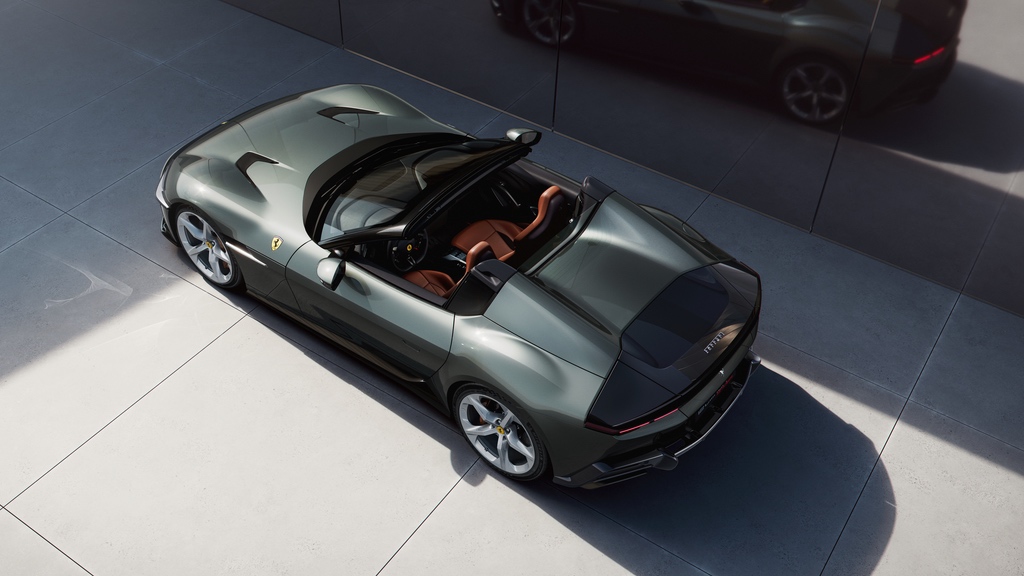
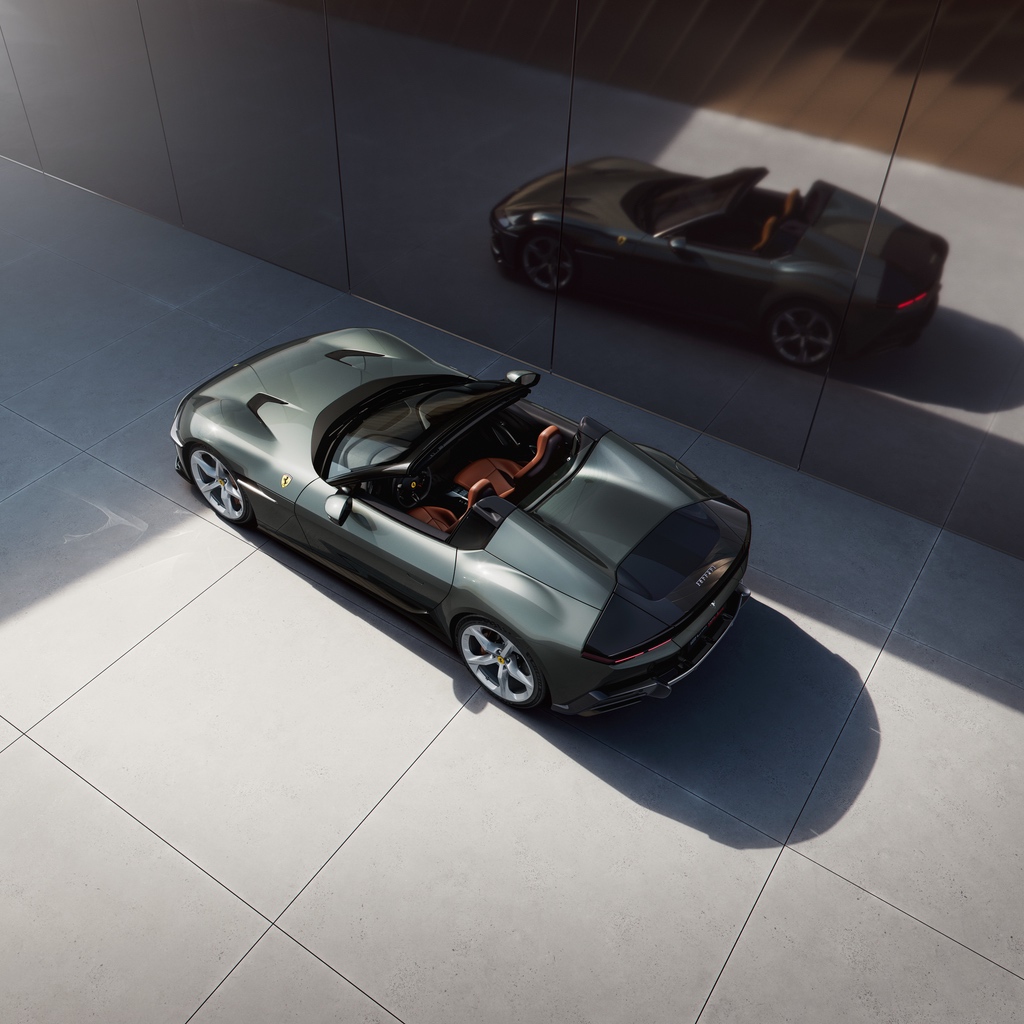
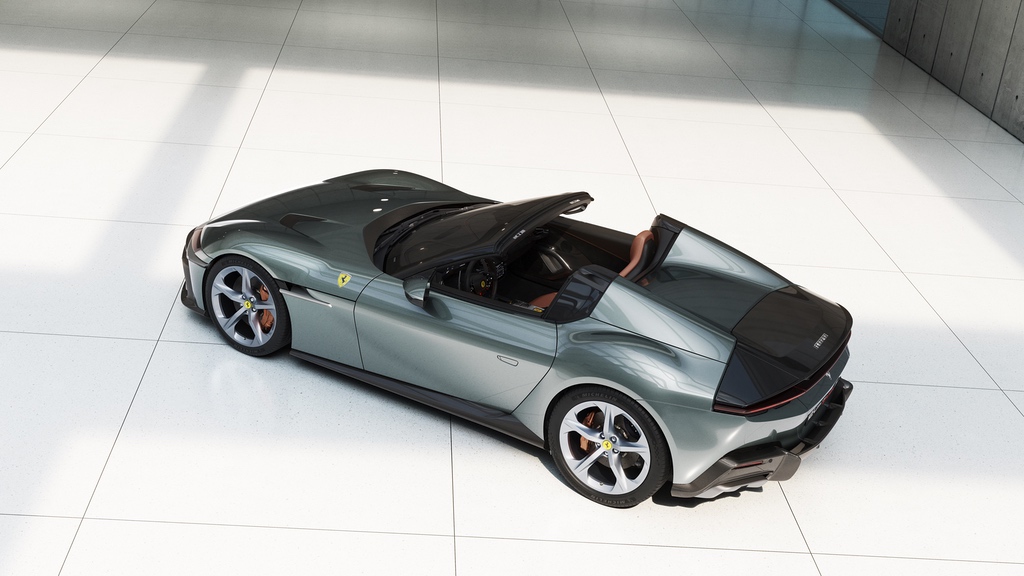
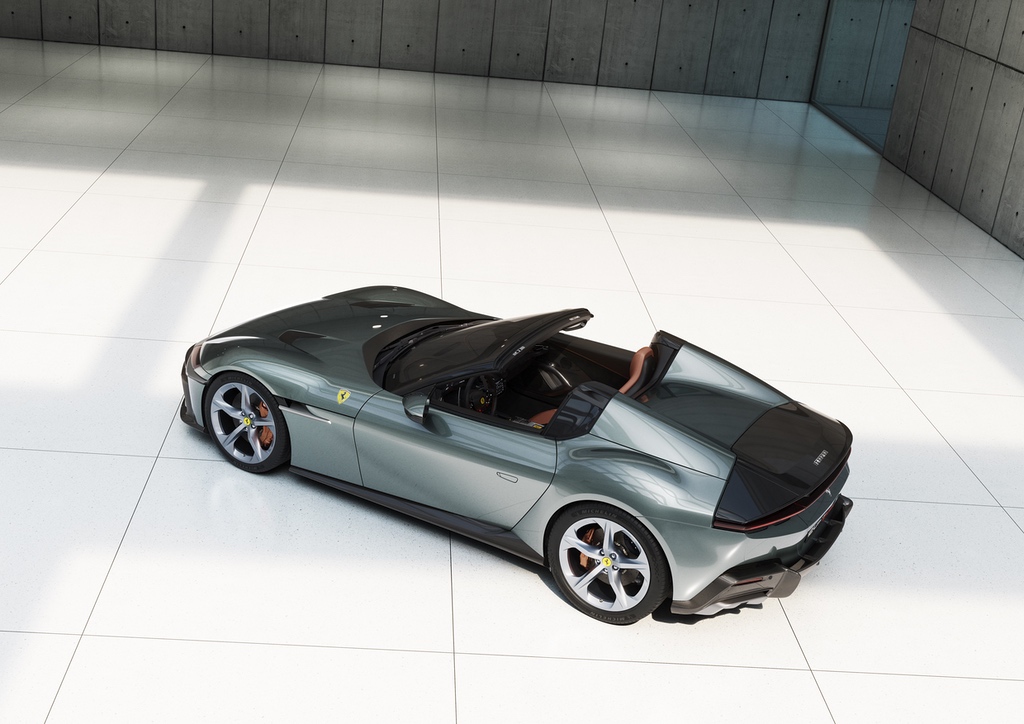
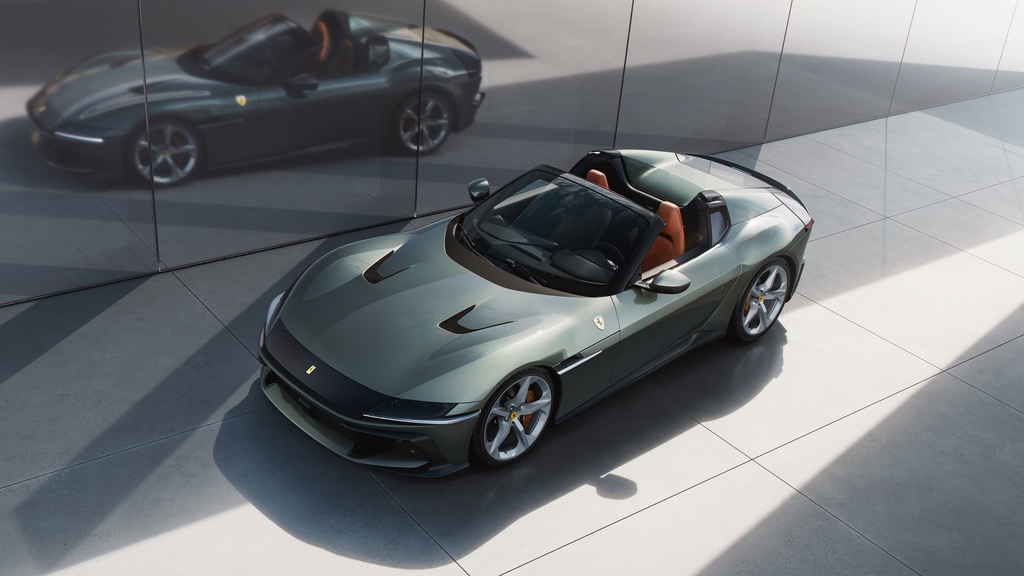
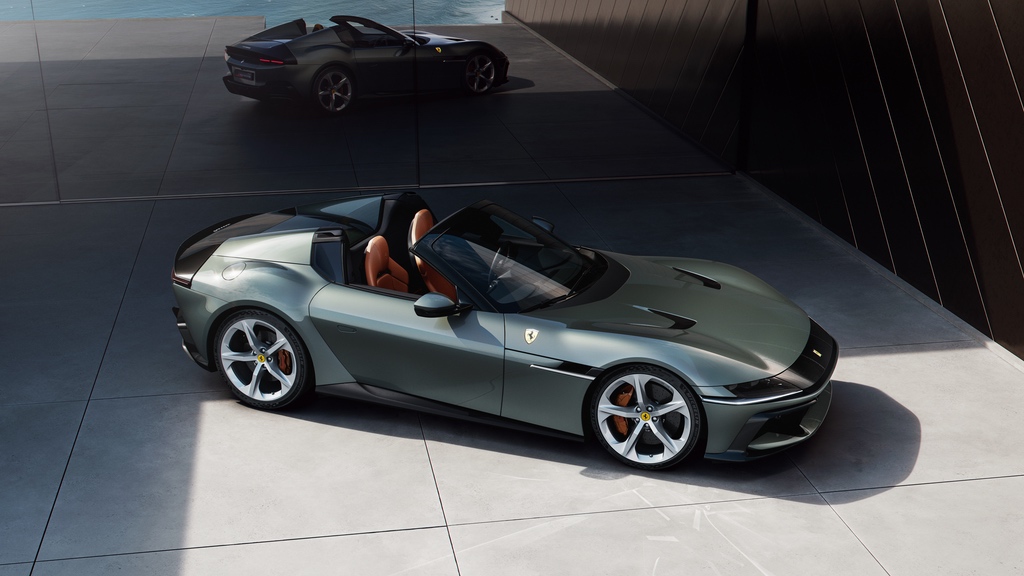
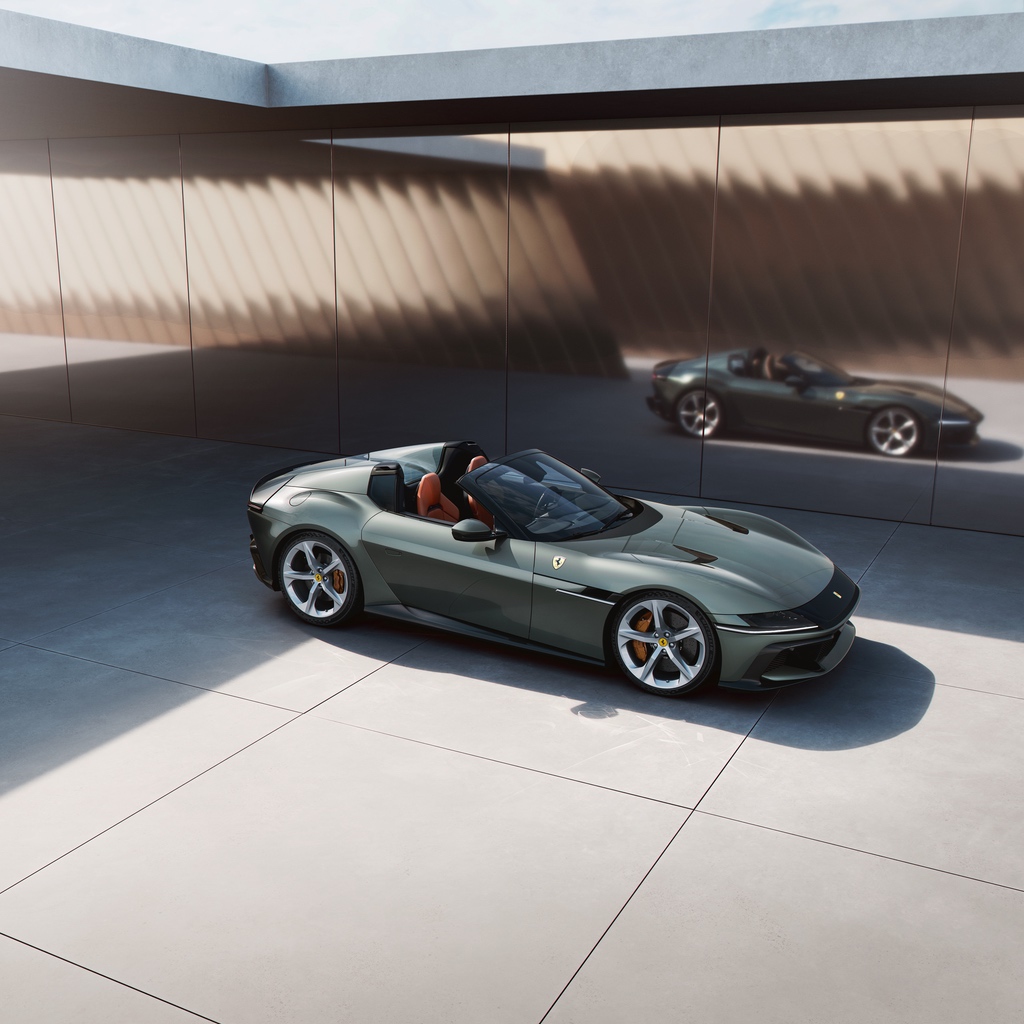
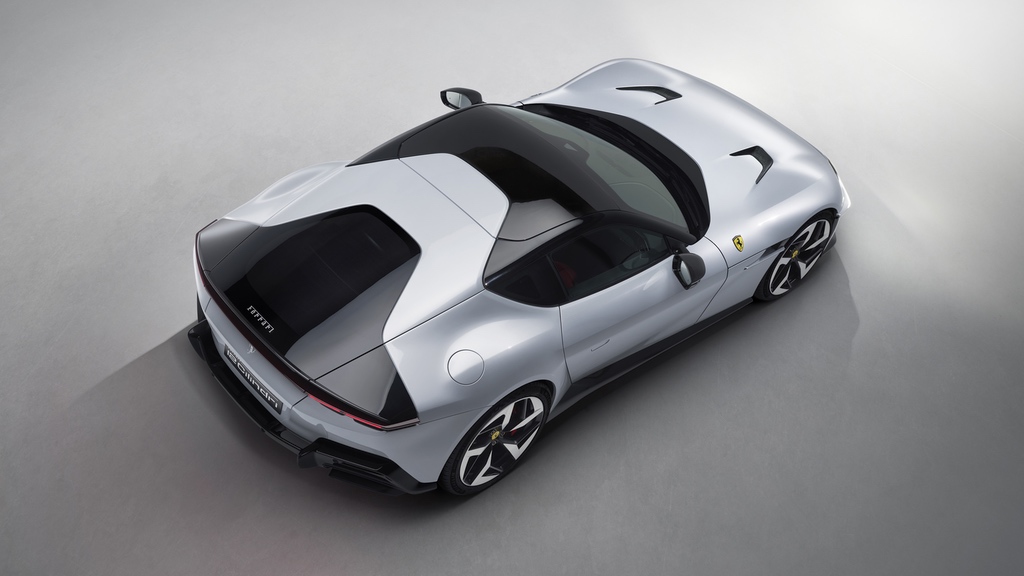
Designing a convertible version of a front-engined V12 Ferrari involves more than removing the roof. The Ferrari 12Cilindri Spider has been re-engineered to maintain the visual balance and aerodynamic efficiency of the coupe while accommodating a retractable hardtop system.
Exterior Proportions
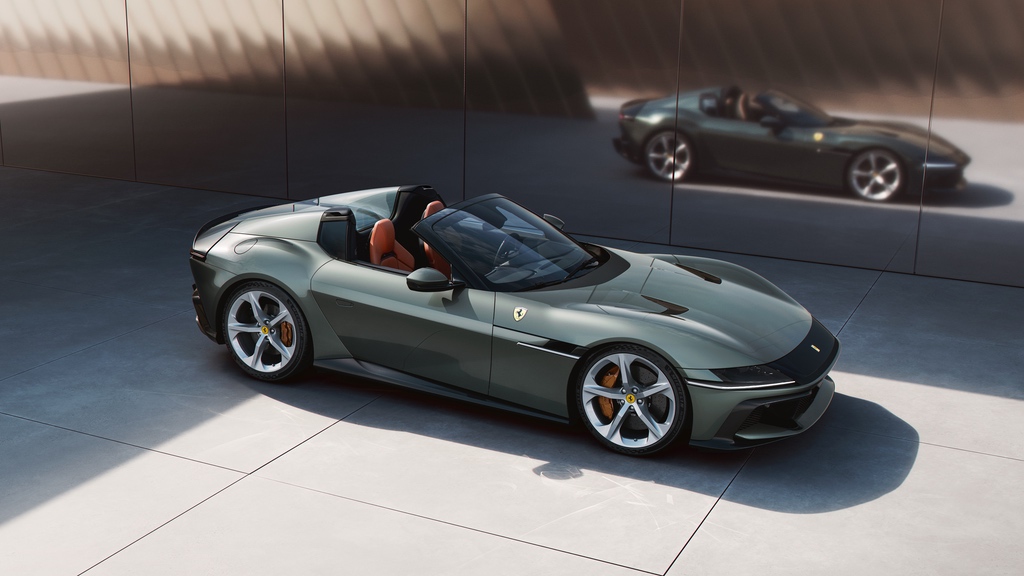
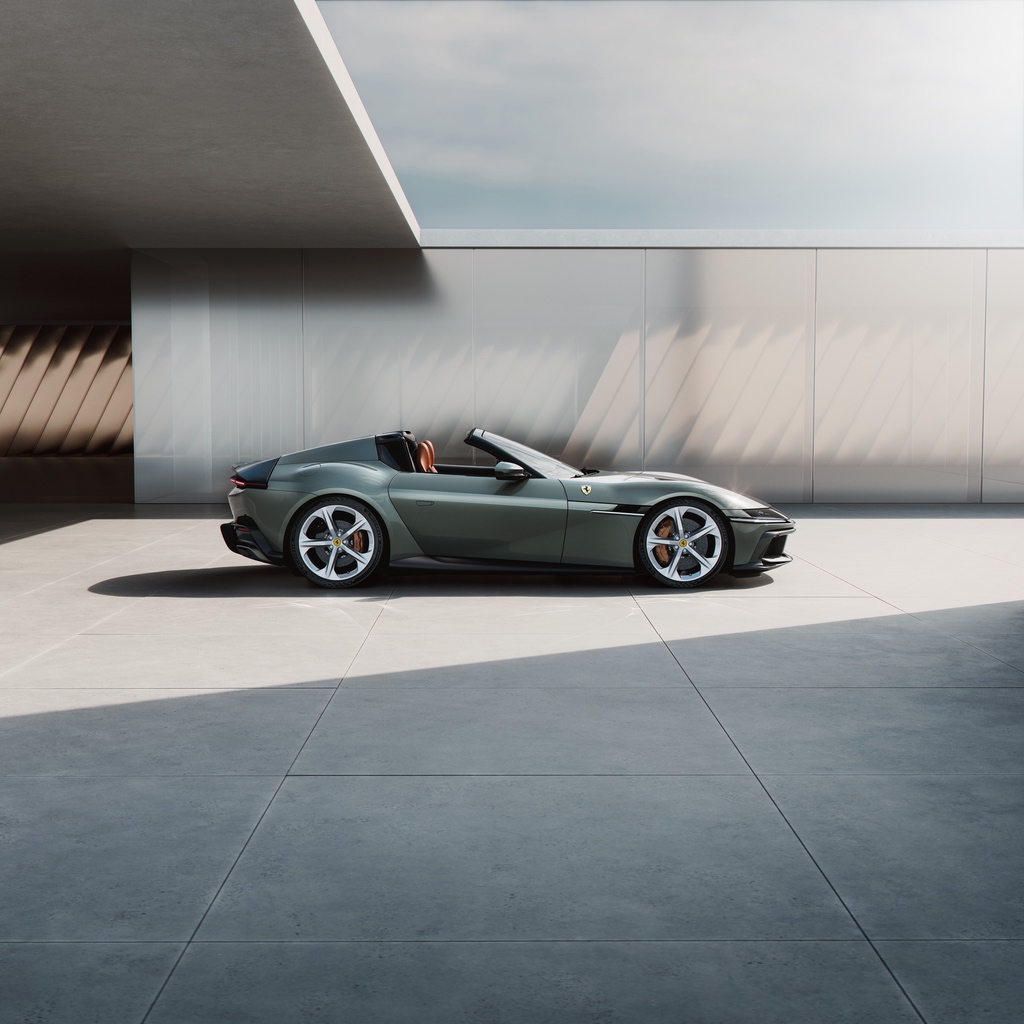
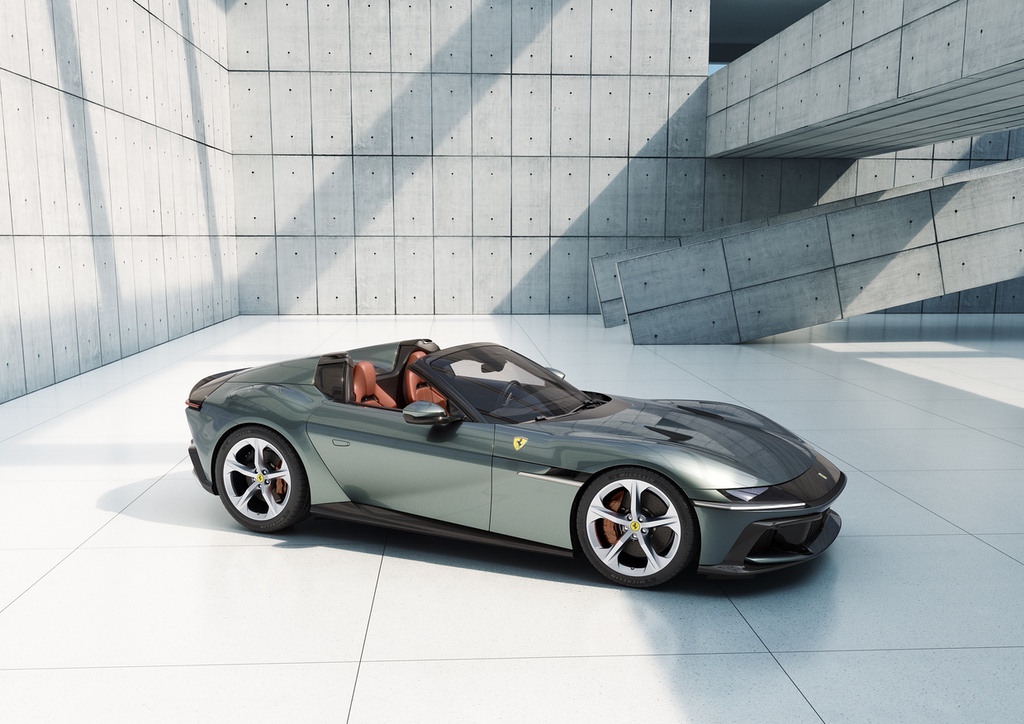
The Spider retains the classic Ferrari GT proportions:
- Long bonnet housing the V12
- Rear-set cabin
- Wide stance emphasising stability
However, the integration of the retractable hardtop introduces subtle changes to the rear deck. Ferrari has managed this by maintaining a clean, horizontal design language, ensuring that the car does not appear visually heavier or compromised.
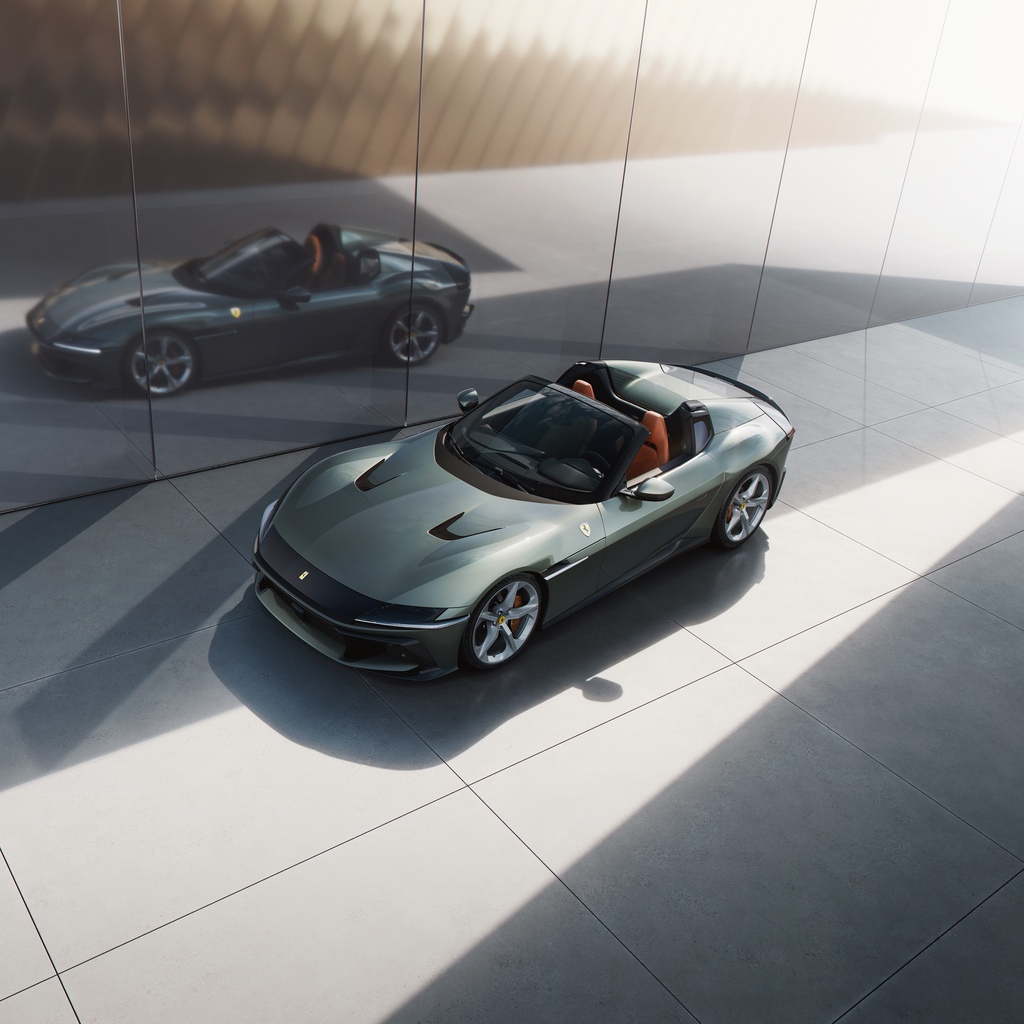
The front-end design continues the modern reinterpretation of classic Ferrari cues, with a strong horizontal emphasis reminiscent of the Ferrari 365 GTB/4 Daytona. This is not retro styling—it is a reinterpretation that aligns with contemporary aerodynamic requirements.
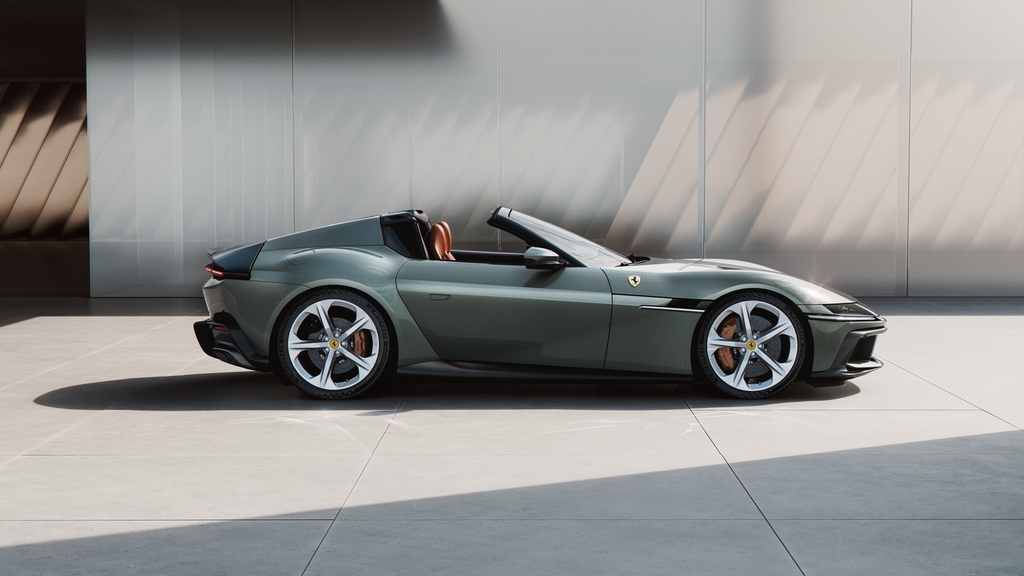
Roof Mechanism
The retractable hardtop is a key engineering feature. Unlike soft-top solutions, it provides:
- Improved insulation
- Better structural integrity
- Enhanced high-speed stability
The mechanism operates quickly and can be deployed at moderate speeds, allowing flexibility in changing conditions. Importantly, when closed, the Spider maintains a silhouette that closely resembles the coupe, preserving its aesthetic integrity.
Aerodynamics
Aerodynamic efficiency is more challenging in a convertible. Ferrari has addressed this through:
- Carefully managed airflow around the cabin
- Integrated rear deck spoilers
- Underbody airflow optimisation
The goal is to minimise turbulence while maintaining downforce and cooling efficiency.
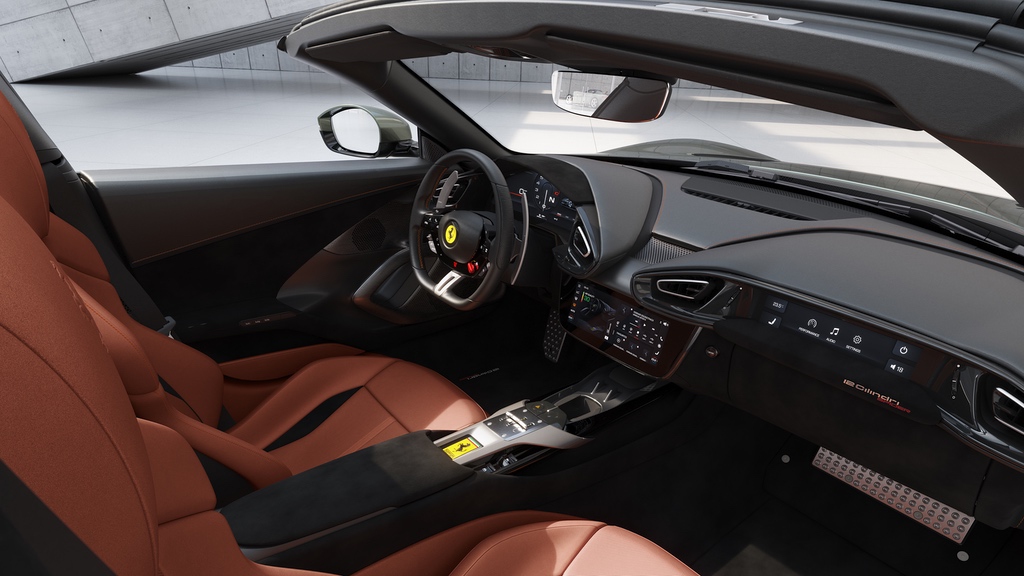
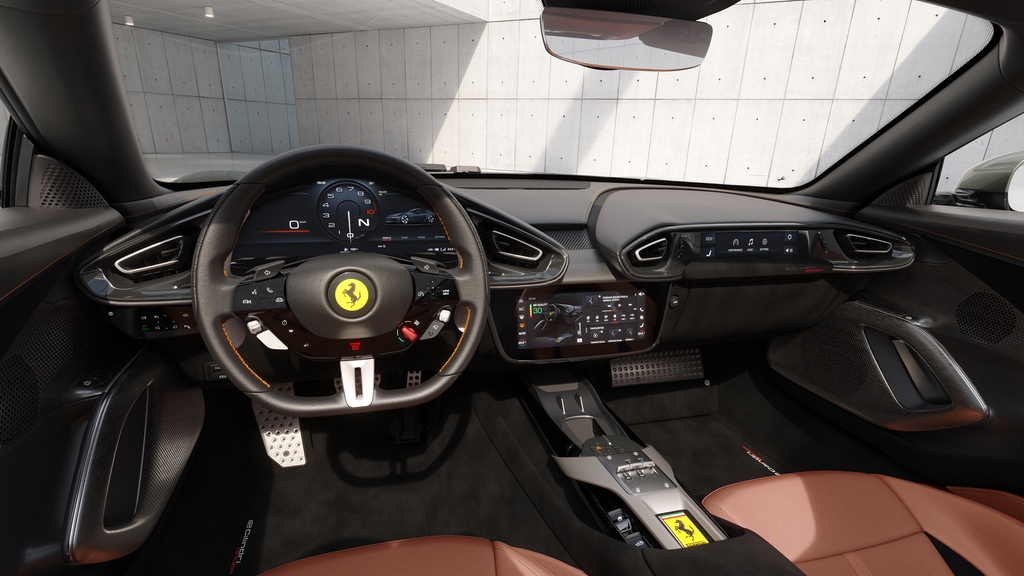
Interior Design
Inside, the Spider mirrors the coupe’s dual-cockpit architecture. However, the open-top configuration changes how the interior is experienced. Materials and finishes must perform under varying environmental conditions, and Ferrari has selected components accordingly.
The result is an interior that balances luxury with durability, ensuring that the car remains usable even when driven regularly with the roof down.
4. Engine & Technical Specifications
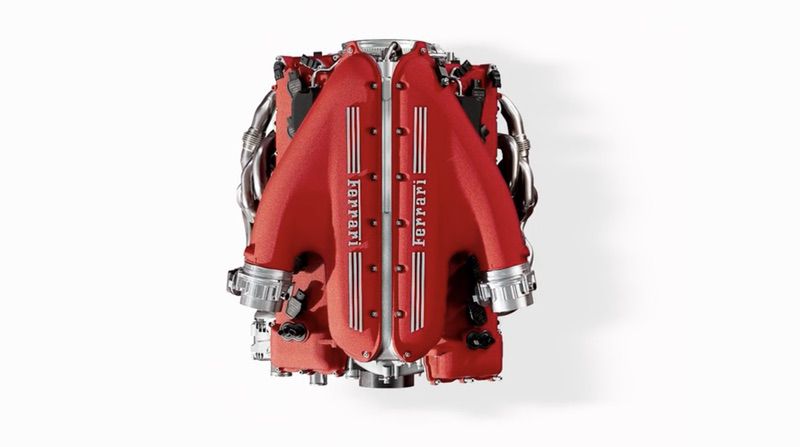
The Ferrari 12Cilindri Spider is powered by the same 6.5-litre naturally aspirated V12 found in the coupe, but its application in an open-top car introduces additional engineering considerations.
Core Specifications
- Engine: 6.5L naturally aspirated V12
- Power: ~819 hp (830 PS)
- Torque: ~678 Nm
- Redline: ~9,500 rpm
- Transmission: 8-speed dual-clutch
- Drivetrain: Rear-wheel drive
Structural Reinforcement
The absence of a fixed roof requires additional chassis reinforcement. This typically results in:
- Increased weight (approx. +60–80 kg vs coupe)
- Revised suspension calibration
- Enhanced torsional rigidity through underbody strengthening
Ferrari has engineered these reinforcements to minimise impact on handling.
Power Delivery
The naturally aspirated configuration delivers a linear power curve. In the Spider, this characteristic is amplified by the open cabin, allowing the driver to experience the full acoustic range of the engine.
Torque management systems ensure that power remains usable in real-world conditions, particularly in lower gears.
Transmission & Dynamics
The 8-speed dual-clutch transmission is calibrated to work seamlessly with the engine’s high-revving nature. Gear changes are rapid and precise, maintaining momentum during aggressive driving.
Chassis systems include:
- Rear-wheel steering
- Electronic differential (E-Diff)
- Brake-by-wire system
These technologies compensate for the additional weight and maintain dynamic balance.
5. Performance
Performance in the Ferrari 12Cilindri Spider is defined by more than acceleration figures—it is about how those figures are experienced.
Acceleration & Speed
- 0–100 km/h: ~2.95 seconds
- Top speed: ~340 km/h
While slightly slower than the coupe due to additional weight, the difference is marginal in real-world conditions.
Open-Top Dynamics
Driving with the roof down fundamentally changes the perception of speed. Wind, sound, and exposure create a heightened sense of velocity, even at moderate speeds.
The V12’s acoustic profile becomes a central feature. At higher revs, the engine produces a layered sound that evolves continuously, providing feedback that is both auditory and tactile.
Handling Characteristics
The Spider maintains a balanced handling profile:
- Predictable front-end response
- Controlled rear-wheel behaviour
- Enhanced agility through rear-wheel steering
Despite the additional weight, Ferrari has ensured that the car remains responsive and engaging.
Braking & Stability
The brake-by-wire system provides consistent stopping performance, while electronic stability systems ensure that the car remains manageable even under aggressive driving conditions.
6. Variants & Special Editions
Ferrari’s approach to model evolution suggests that the 12Cilindri Spider will form part of a broader lifecycle strategy.
Core Model
The standard Spider represents the baseline configuration, offering the full V12 experience with open-top capability.
Future Special Series
Based on precedent from the Ferrari 812 Competizione A, it is highly likely that Ferrari will introduce more focused variants:
- Lightweight, track-oriented Spider versions
- Limited-production collector editions
These models typically feature:
- Reduced weight
- Enhanced aerodynamics
- Increased exclusivity
Personalisation
Ferrari’s Tailor Made programme allows extensive customisation:
- Unique exterior colours
- Bespoke interior materials
- Personalised detailing
This can significantly influence both ownership experience and resale value.
7. Driving Experience
The Ferrari 12Cilindri Spider delivers a driving experience that is fundamentally different from the coupe, even though the underlying hardware is similar.
Low-Speed Usability
In urban environments, the car remains manageable:
- Smooth transmission behaviour
- Relatively compliant ride
- Acceptable visibility for the segment
Open-Top Engagement
With the roof down, the car’s character changes completely. The engine becomes more present, and the connection between driver and machine is intensified.
This is particularly evident at higher revs, where the V12’s sound and vibration create a multi-sensory experience.
Long-Distance Capability
As a grand tourer, the Spider excels on longer journeys:
- Comfortable seating
- Stable high-speed cruising
- Ability to adapt to changing weather conditions
Driver Confidence
Advanced electronic systems ensure that the car remains accessible, even for drivers without extensive high-performance experience.
8. Ownership Insights
Running Costs
- Servicing: £2,500–£4,500 ($3,000–$5,500) annually
- Insurance: £6,000–£12,000 ($7,500–$15,000)
- Fuel: High consumption
Servicing Reality
Ferrari’s 7-year maintenance programme covers scheduled servicing, but owners must budget for:
- Tyres
- Brake components
- Wear items
Reliability
Modern Ferrari V12s are generally reliable, but complexity increases with electronic systems.
Usability
The Spider is more lifestyle-oriented than the coupe:
- Ideal for leisure driving
- Less practical for daily use
9. Market Value & Depreciation
Estimated pricing:
- £350,000–£370,000
- $450,000–$480,000
Depreciation trends:
- Initial softening in first 2–3 years
- Stabilisation thereafter
- Strong long-term potential due to V12 rarity
Spider variants often retain value well due to demand.
10. Competitors
Aston Martin DBS Volante
Turbocharged V12, more torque-focused. Less engaging at high revs but more relaxed for cruising.
Lamborghini Revuelto Roadster
Hybrid AWD system delivers extreme performance but lacks the purity of a naturally aspirated V12.
Bentley Continental GT Convertible
Luxury-focused, less driver engagement, more comfort-oriented.
11. FAQs
Is the Ferrari 12Cilindri Spider naturally aspirated?
Yes, it uses a 6.5L naturally aspirated V12.
How much does it cost?
Around £350,000–£370,000 ($450,000–$480,000).
Is it slower than the coupe?
Marginally, due to additional weight.
Is it a good investment?
Potentially strong due to rarity of V12 convertibles.
Can it be used daily?
Possible, but not practical for most.
What makes it special?
Combination of V12 engine and open-top experience.
12. Related Articles
- Ferrari 12Cilindri Coupe
- Ferrari 812 GTS
- Ferrari SF90 Spider
- Lamborghini Revuelto Roadster
- Aston Martin DBS Volante
13. Are You Ready?
- Looking to buy a Ferrari 12Cilindri Spider? Click to find available cars.
- Need insurance? Click to apply for Supercar Insurance.
- Need a service? Click to book a specialist service.
- Buying one? Click to request a PPI inspection.
- Selling your car? Click to request a valuation.