1. Introduction
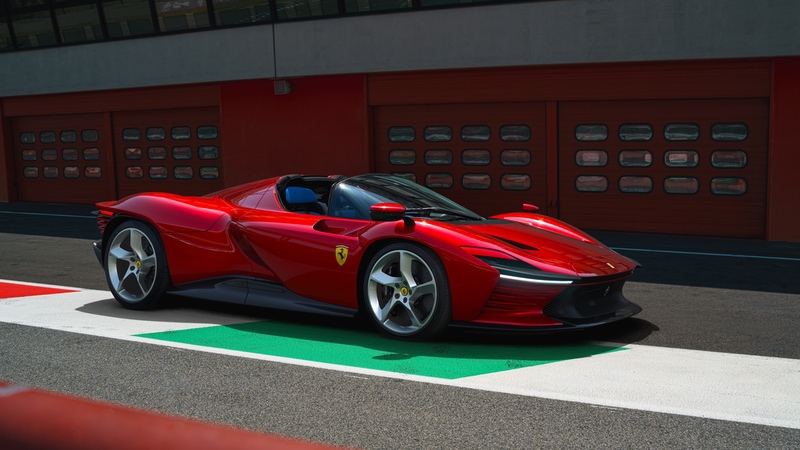
The Ferrari Daytona SP3 is one of the most significant limited-production Ferraris of the modern era. It is not a replacement for a regular production model, nor is it a conventional hypercar designed purely to chase lap times. Instead, it is part of Ferrari’s Icona series, a special line of cars created to reinterpret important moments from Ferrari’s past using contemporary engineering, materials and performance technology. The Daytona SP3 follows the Monza SP1 and SP2, but it is a more complex and arguably more complete car because it combines retro inspiration with a mid-mounted naturally aspirated V12, carbon-fibre construction and genuine road usability.
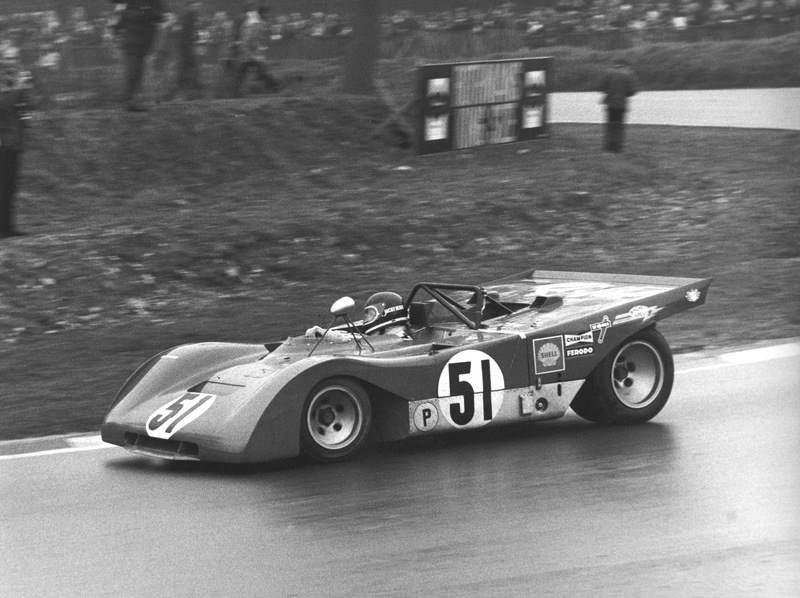
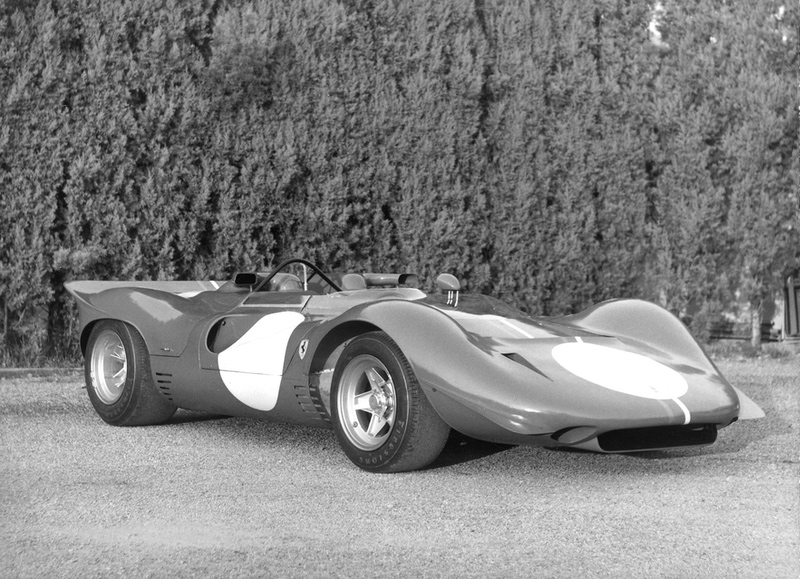
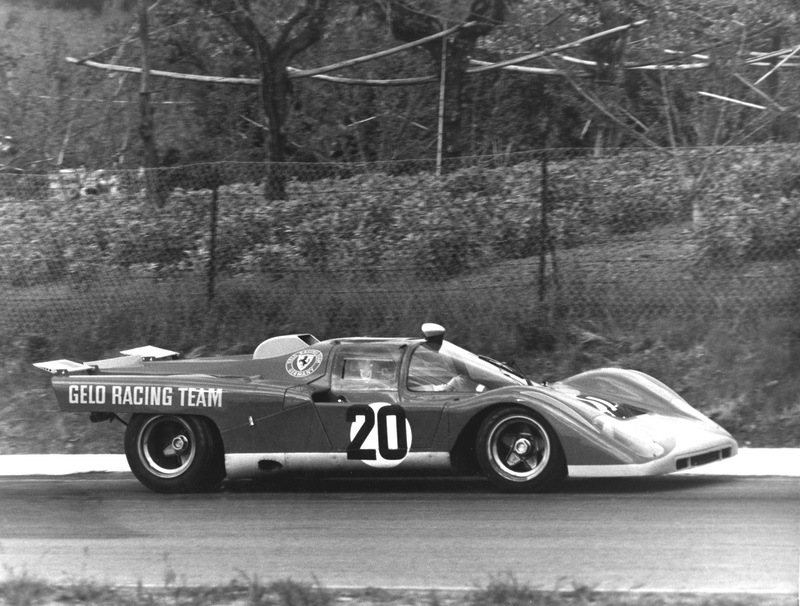
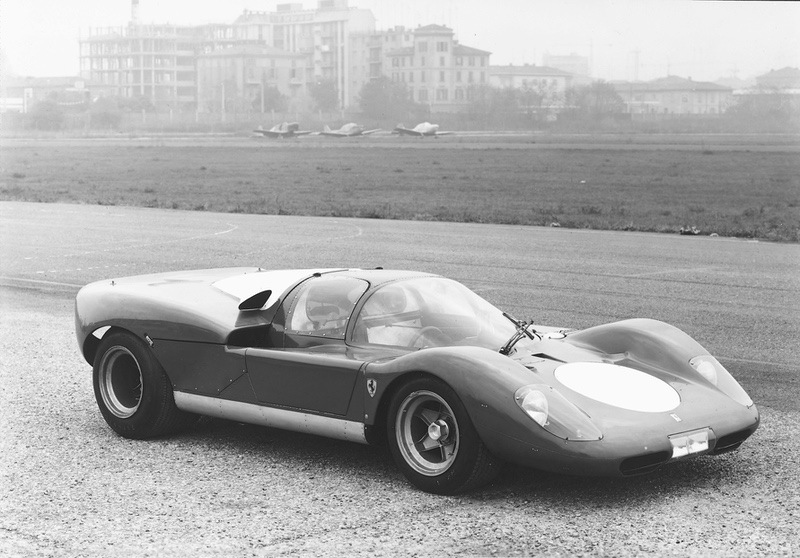
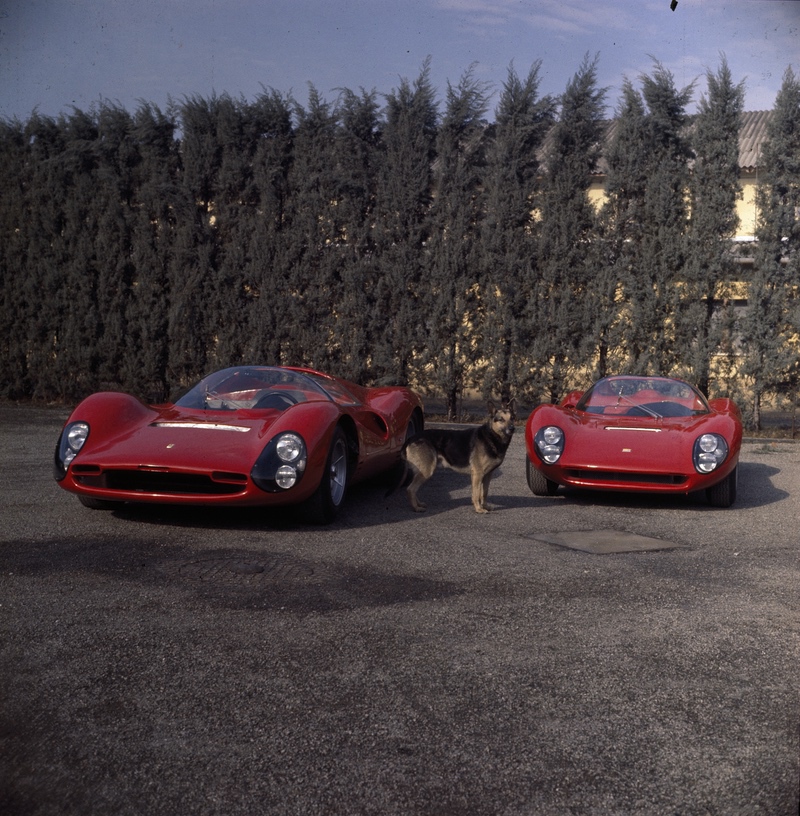
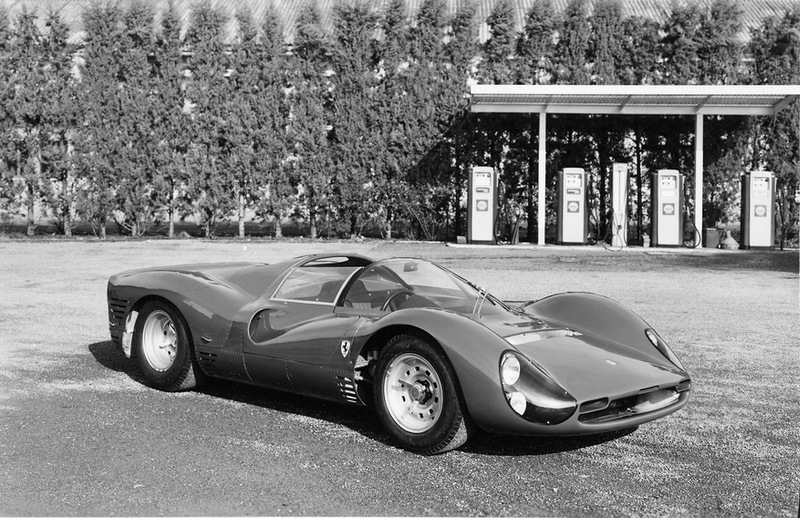
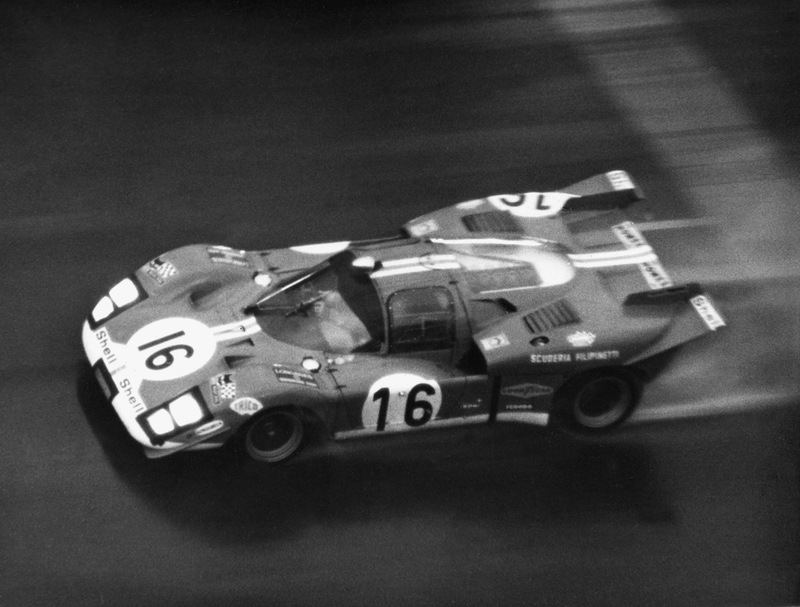
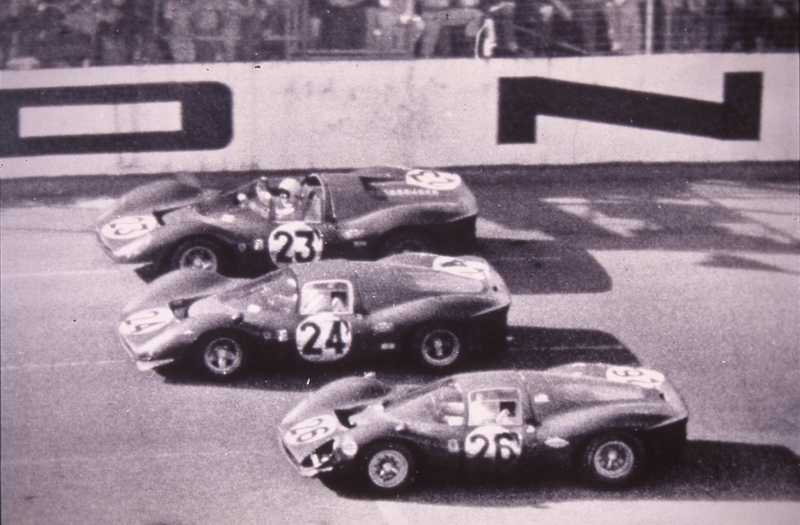
The car takes its name and inspiration from Ferrari’s famous 1-2-3 finish at the 1967 24 Hours of Daytona, where the 330 P3/4, 330 P4 and 412 P delivered one of the most symbolic victories in Ferrari’s sports-car racing history. The Daytona SP3 is not a replica of those prototypes, but it is designed to evoke their proportions, surfaces and motorsport identity. That distinction is important. This is not a continuation car or a nostalgic styling exercise. It is a modern limited-edition Ferrari built to capture the spirit of 1960s endurance racing through a contemporary lens.
Mechanically, the Daytona SP3 is exceptional because it uses a 6.5-litre naturally aspirated V12 mounted behind the driver, producing 840 cv / 829 bhp at 9,250 rpm and 697 Nm / 514 lb ft of torque at 7,250 rpm. It revs to 9,500 rpm, uses a 7-speed dual-clutch gearbox, and sends power only to the rear wheels. Ferrari quotes 0–100 km/h in 2.85 seconds, 0–200 km/h in 7.4 seconds, and a top speed of over 340 km/h / 211 mph.
This makes the Daytona SP3 very different from hybrid hypercars such as the LaFerrari, SF90 Stradale, 849 Testarossa or F80. There is no electric torque fill, no all-wheel-drive hybrid system and no plug-in element. Its appeal comes from a purer formula: high-revving V12, rear-wheel drive, carbon-fibre structure, passive aerodynamic sophistication and limited production.
Production is limited to 599 examples, all offered to selected Ferrari clients. Original pricing was reported around $2.2–$2.3 million, while UK values on the secondary market have moved far above that, with some examples advertised or reported around several million pounds depending on mileage, specification and provenance. Car and Driver listed the 2025 Daytona SP3 from $2,223,935, while a one-off 600th Tailor Made example sold for $26 million at charity auction, setting a record for the highest value achieved by a new Ferrari at auction.
For buyers, owners and collectors, the Daytona SP3 is not merely an expensive Ferrari. It is a modern collector car with direct historical storytelling, a rare V12 configuration and strong long-term desirability. It sits in a space between the LaFerrari, Monza SP cars, and modern Ferrari halo models: more emotional than a technical hybrid flagship, more usable than a roofless speedster, and more collectible than a normal production supercar.
2. Production & History
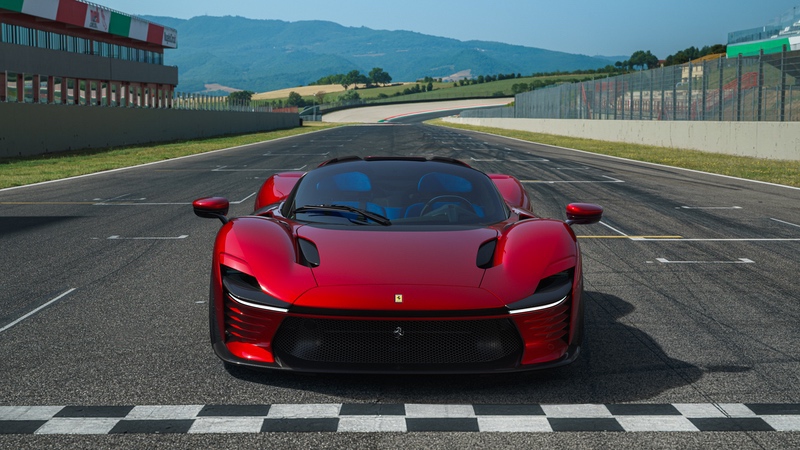
The Ferrari Daytona SP3 was unveiled in November 2021 as the third car in Ferrari’s Icona series, following the Monza SP1 and Monza SP2. The Icona programme exists to reinterpret Ferrari’s most evocative design and motorsport themes for a very small group of clients. The Daytona SP3 is therefore not part of Ferrari’s normal model cycle. It was never intended to replace the 812, SF90 or LaFerrari. Its role is more specific: to celebrate Ferrari’s endurance racing heritage through a limited-run, highly engineered, modern collectible.
The 1967 Daytona Connection
The name “Daytona” refers to Ferrari’s famous performance at the 1967 24 Hours of Daytona, where Ferrari finished first, second and third. That result was more than a race victory. It was a symbolic response to Ford’s growing dominance at Le Mans and became one of the most visually memorable moments in Ferrari sports-car racing history. The Daytona SP3 draws directly from that era, particularly cars such as the 330 P3/4, 330 P4 and 412 P.
The Daytona SP3 does not copy those cars literally. Instead, it interprets their themes: rounded wings, low cockpit, muscular rear haunches, dramatic surfaces, visible aerodynamic intent and a sense of prototype-racer theatre. Ferrari deliberately avoided making a retro replica because the Icona series is about reinterpretation, not reproduction.
Place in the Icona Series
The Monza SP1 and SP2 were minimalist speedsters inspired by Ferrari barchettas of the 1950s. They were extreme, open, highly exclusive and visually spectacular, but they were also relatively specialised. The Daytona SP3 is broader in appeal. It has a removable targa-style roof panel, a full windscreen, a more substantial cabin and a more complete road-car personality.
That makes it arguably the most usable Icona model so far. It still has extraordinary rarity and historical significance, but it is more practical than the Monza SP1/SP2 and more emotionally traditional than Ferrari’s latest hybrid hypercars.
Production Numbers and Allocation
Ferrari limited Daytona SP3 production to 599 examples. Allocation was invitation-only, with Ferrari prioritising existing clients, especially those already involved with the Icona series or Ferrari’s most exclusive collector programmes. The car was effectively sold before most people ever had the chance to consider buying one.
This allocation model is important for the car’s market position. A Daytona SP3 buyer is not simply purchasing a car; they are entering a very restricted circle of Ferrari ownership. Access itself becomes part of the car’s value. This is why secondary market prices can move sharply above list.
The 600th Tailor Made Example
Although production was officially 599 cars, Ferrari created a one-off 600th Daytona SP3 Tailor Made example for charity. This car sold for $26 million, with proceeds going to The Ferrari Foundation. Ferrari described it as the highest value ever achieved at auction for a new Ferrari.
That sale is not a normal market benchmark because it was a unique charity car, but it reinforces the Daytona SP3’s collector appeal. It shows that the car is already viewed as historically significant, not merely as a limited modern supercar.
Historical Importance
The Daytona SP3 is likely to be remembered as one of the last great naturally aspirated V12 limited Ferraris without hybrid assistance. In an era moving toward turbocharging, hybridisation and electrification, that matters. It offers a modern expression of old-world Ferrari theatre: a screaming V12, rear-wheel drive and racing-inspired design. That combination will become increasingly difficult to replicate.
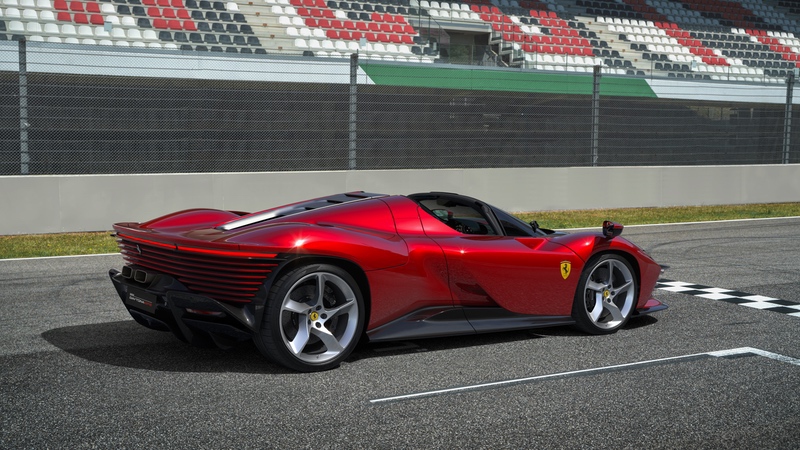
3. Design & Styling
The Ferrari Daytona SP3 is one of the most dramatic modern Ferraris, but its drama is not random. Its styling is built around the visual language of 1960s Ferrari sports prototypes, especially the cars that competed at Daytona and Le Mans. The result is a car that looks historic in inspiration but modern in execution.
Exterior Proportions
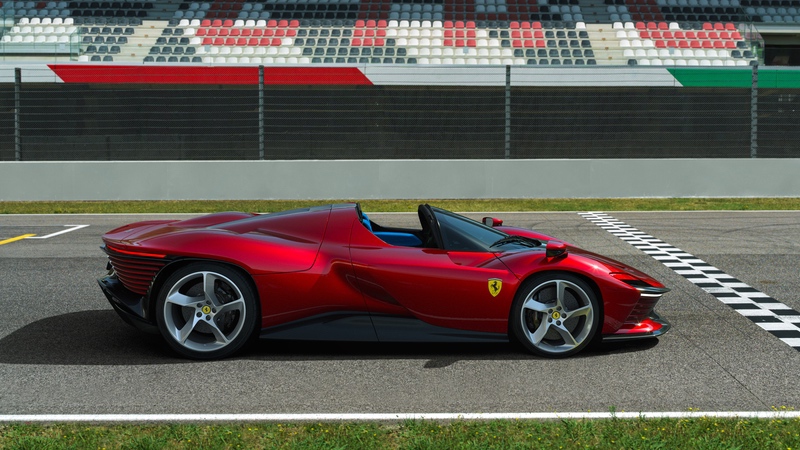
The Daytona SP3 has the proportions of a true mid-engined prototype-inspired car: very low nose, central cockpit, muscular wheel arches, wide rear haunches and a compact tail. The car’s shape immediately separates it from Ferrari’s front-engined V12 GTs. It looks more like a racing machine adapted for road use than a luxury supercar.
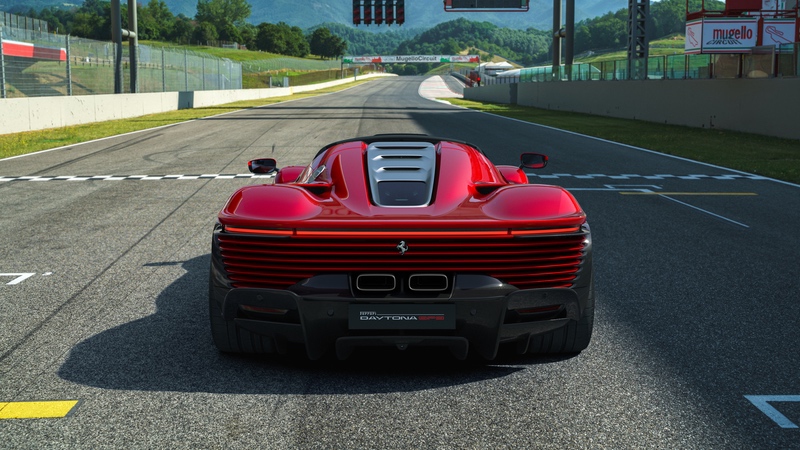
The front section is smooth and low, with sculpted wings that recall classic Ferrari endurance racers. The bodywork then rises around the cockpit before flowing into one of the car’s most distinctive features: the horizontal rear blade treatment. The rear has layered slats across the width of the car, giving it a futuristic yet historically referential identity. It is not a simple homage; it is a highly stylised reinterpretation.
Targa Layout
The Daytona SP3 uses a removable targa-style roof rather than a conventional fixed roof or fully retractable Spider system. This is a key part of its character. It allows the car to offer some open-air drama while preserving the shape and structural identity of a prototype-inspired hypercar. The roof panel is not about convenience in the way a Roma Spider roof is. It is about experience and design purity.
Aerodynamic Philosophy
Unlike many modern hypercars, the Daytona SP3 does not rely heavily on active aerodynamic devices. Its aerodynamic performance is primarily passive, achieved through body shape, underbody management, cooling channels and surface treatment. Ferrari’s engineering emphasis was to generate stability and cooling without compromising the purity of the design. The result is a car that looks cleaner than many aero-heavy rivals, yet still has serious aerodynamic function.
Interior Design
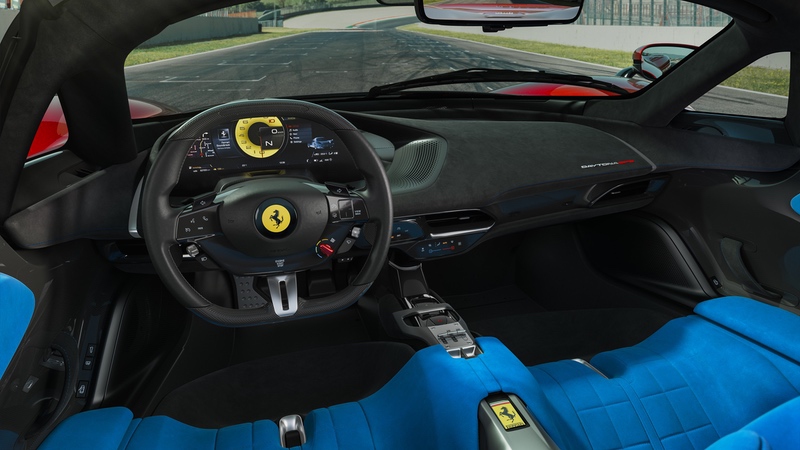
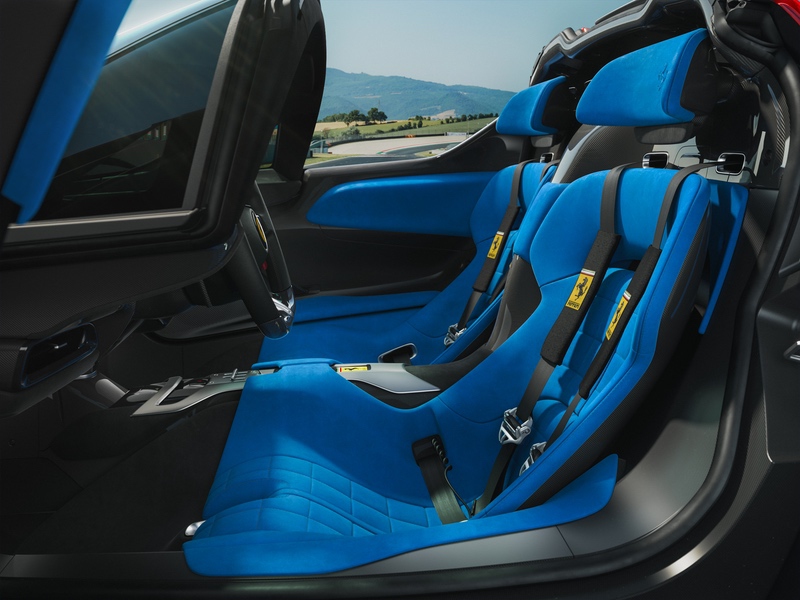
Inside, the Daytona SP3 feels more like a modern interpretation of a racing cockpit than a luxury grand tourer. The seats are integrated into the chassis structure, with the pedals and steering wheel adjusted to suit the driver. This approach recalls cars such as the LaFerrari and Enzo, where driving position is treated as part of the structure rather than an afterthought.
The dashboard is minimalist, with a curved digital display and a steering-wheel-led control philosophy. The cabin uses carbon fibre, Alcantara and technical materials rather than traditional luxury ornamentation. It is expensive, but not plush. The message is clear: this is a limited Ferrari created around driving, history and engineering, not chauffeured luxury.
4. Engine & Technical Specifications
The Ferrari Daytona SP3’s defining feature is its engine: a 6.5-litre naturally aspirated V12, internally part of the F140 family, producing 840 cv / 829 bhp at 9,250 rpm and 697 Nm / 514 lb ft at 7,250 rpm. It revs to 9,500 rpm, making it one of the most highly strung Ferrari road-car engines ever built.
Core Technical Specification
Key figures include:
- Engine: 6.5-litre naturally aspirated V12
- Displacement: 6,496 cc
- Power: 840 cv / 829 bhp
- Torque: 697 Nm / 514 lb ft
- Redline: 9,500 rpm
- Transmission: 7-speed dual-clutch automatic
- Drivetrain: rear-wheel drive
- Layout: rear-mid engine
- Dry weight: approximately 1,485 kg
- 0–100 km/h: 2.85 seconds
- 0–200 km/h: 7.4 seconds
- Top speed: over 340 km/h / 211 mph
- Production: 599 units, plus one charity Tailor Made example
Why the V12 Matters
The V12 is central to the Daytona SP3’s identity. Ferrari could have used hybrid assistance, as it did with LaFerrari, or a turbocharged powertrain, as seen in other modern performance cars. Instead, it chose a naturally aspirated V12 because the Daytona SP3 is fundamentally about emotional and historical continuity.
The engine is closely related to the unit used in the 812 Competizione, but its placement behind the driver transforms the experience. A front-engined V12 Ferrari feels like a grand tourer with enormous performance. A mid-engined V12 Ferrari feels more exotic, more immediate and more closely connected to Ferrari’s prototype racing heritage.
Gearbox and Drivetrain
The 7-speed dual-clutch gearbox sends power exclusively to the rear wheels. In an era where many hypercars use all-wheel drive to manage huge outputs, Ferrari’s choice gives the Daytona SP3 a more traditional and demanding character. The car relies on electronic systems such as traction control, Side Slip Control and electronic differential calibration to help manage the power, but the basic layout remains purist: mid-mounted V12, rear-wheel drive.
Chassis and Weight
The Daytona SP3 uses a carbon-fibre structure derived in part from Ferrari’s limited-production hypercar architecture. The dry weight is around 1,485 kg, giving a strong power-to-weight ratio for a naturally aspirated, non-hybrid V12 car.
Technical Positioning
Technically, the Daytona SP3 is unusual because it is not trying to be the most advanced hybrid hypercar. It is advanced in materials, aerodynamics and chassis systems, but deliberately traditional in powertrain philosophy. That balance is precisely what makes it special.
5. Performance
The Ferrari Daytona SP3 delivers performance that is extreme, but its character is different from modern hybrid hypercars. Ferrari quotes 0–100 km/h in 2.85 seconds, 0–200 km/h in 7.4 seconds, and a top speed of over 340 km/h / 211 mph. These figures place it comfortably in hypercar territory, but the numbers only explain part of the car’s appeal.
Acceleration
The Daytona SP3 accelerates with the linearity of a naturally aspirated engine rather than the instant torque of a hybrid system. This means the performance builds with revs. At lower engine speeds, it is still extremely quick, but the real drama arrives as the V12 climbs toward its 9,500 rpm limit.
That makes the car feel different from a LaFerrari, SF90 or F80. Hybrid Ferraris deliver enormous torque immediately. The Daytona SP3 asks the driver to use the engine, chase the revs and engage with the powertrain more actively. For many enthusiasts, that is precisely the appeal.
High-Speed Performance
Above 100 mph, the Daytona SP3’s V12 becomes more central to the experience. The engine continues to pull hard as the revs rise, and the gearbox keeps the engine in its most effective range. The top speed of over 340 km/h is impressive, but the way the car gets there is more important: sound, vibration, throttle response and gearshift drama all build together.
Handling
The mid-engined layout gives the Daytona SP3 a very different dynamic balance from Ferrari’s front-engined V12 cars. With the engine behind the driver and power going to the rear wheels, the car should feel more concentrated and more agile than an 812 Competizione. However, it will also demand more respect. A high-revving V12 and rear-wheel drive make for a more physical, more involved driving experience than an all-wheel-drive hybrid hypercar.
Braking and Stability
The Daytona SP3 uses carbon-ceramic brakes and advanced electronic systems to manage its performance. Stability systems are essential because the car has enormous power and rear-wheel drive. However, Ferrari generally calibrates these systems to support driver involvement rather than eliminate it. The car is designed to be enjoyed by skilled drivers, not merely managed by electronics.
Real-World Performance
On public roads, the Daytona SP3’s full performance is difficult to exploit. The car is wide, low, valuable and extremely fast. However, unlike some hybrid hypercars, it does not need maximum speed to feel special. The engine character, open targa experience and rarity make even moderate driving feel significant. That is one reason it may be more emotionally satisfying than cars with even more advanced acceleration figures.
6. Variants & Special Editions
The Ferrari Daytona SP3 is itself a special-edition model, so its variant structure is different from normal Ferrari model families. There is no base model, no Spider derivative, no higher-performance track version and no broad production range. Every Daytona SP3 is already a limited Icona-series car.
Standard Daytona SP3
The standard Daytona SP3 is limited to 599 units and uses the same core architecture across all examples: mid-mounted naturally aspirated V12, rear-wheel drive, carbon-fibre structure, targa-style roof and Icona-series design philosophy. Calling it “standard” is almost misleading because every car is already a highly specialised collector model.
Unlike cars such as the Ferrari 296 or Roma, there is no entry version. Buyers were not choosing between trims in the conventional sense. They were choosing specification, colour, materials and personalisation within an already exclusive model.
Tailor Made Specification
The most meaningful variation between Daytona SP3 examples comes from Ferrari’s personalisation and Tailor Made programme. Buyers could specify exterior paint, historic liveries, stripe packages, interior materials, stitching, carbon finishes, wheel treatments and unique details.
This matters because specification can have a major effect on long-term desirability. A Daytona SP3 in a historically inspired Ferrari racing colour scheme may appeal strongly to collectors. A very unusual personal specification may be more distinctive but could narrow the future buyer pool. With cars at this level, taste and provenance matter almost as much as mileage.
The 600th Charity Car
The most important unique Daytona SP3 is the 600th Tailor Made example, created for charity and sold for $26 million. This car is separate from the original 599-unit production run and carries unique provenance because of its charitable purpose and auction record.
This car should not be used as a normal market comparator, but it does show the strength of the Daytona SP3’s collector narrative. A car with unique factory status, one-off specification and charitable provenance can become a different asset class from a normal production example.
No Confirmed Spider or Track Version
Ferrari has not produced a Daytona SP3 Spider, XX or track-only derivative. That makes sense because the Daytona SP3 already has a removable targa roof and is positioned as an Icona model rather than a platform for further derivatives. A more extreme version would risk diluting the purity of the concept.
Collectability by Configuration
For buyers and sellers, key differentiators include:
- Exterior colour
- Historical livery or stripe package
- Interior material choices
- Mileage
- Delivery-market specification
- Originality
- Ferrari service history
- Whether the car has been tracked
- Provenance and ownership history
- Tailor Made documentation
The best examples will likely be low-mileage, original, tasteful, fully documented cars with Ferrari dealer history.
7. Driving Experience
The Ferrari Daytona SP3 driving experience is defined by emotion, mechanical response and occasion. It is not as technically overwhelming as an F80, not as hybrid-assisted as a LaFerrari, and not as grand-touring-focused as a 12Cilindri. It occupies a distinct space: a limited-production, V12-powered, mid-engined Ferrari that feels closer in spirit to a prototype racer than a conventional road car.
Low-Speed Use
At low speeds, the Daytona SP3 is manageable but never ordinary. The dual-clutch gearbox makes it far easier to drive than a classic Ferrari prototype-inspired car would have been, and modern electronics help smooth the experience. However, the car is wide, low and extremely valuable, so urban use requires care.
Visibility, ground clearance and turning space are not its strengths. This is not a Ferrari designed for daily commuting. It can be used on the road, but it asks the owner to treat every journey as an event.
Engine Character
The V12 dominates the experience. The way it builds power toward the top of the rev range is central to the car’s appeal. Unlike a turbocharged or hybrid powertrain, the Daytona SP3 rewards revs. The driver gets more sound, more response and more drama the harder the engine is worked.
This is what separates it from many modern hypercars. Some newer cars are faster in short bursts, but few offer this kind of naturally aspirated progression. The Daytona SP3 feels alive because the engine’s character changes with revs and throttle input.
Chassis Feel
The rear-mid-engine layout gives the car a sense of concentration. The front end should feel light and responsive, while the rear axle carries the mass and power. That creates a more exotic handling balance than Ferrari’s front-engined V12 cars. It also means the driver must respect the car’s limits.
Ferrari’s electronic systems help manage the experience, but the Daytona SP3 is not designed to remove driver responsibility. It should feel involving, physical and precise.
Open-Air Sensation
The removable targa roof adds another layer. With the roof removed, the V12 soundtrack becomes more present and the car feels more connected to its environment. This makes the Daytona SP3 more sensory than a fixed-roof hypercar, while remaining more usable than roofless Icona models such as the Monza SP1 and SP2.
Road Versus Track
On track, the Daytona SP3 will be fast and exciting, but it is not primarily a lap-time car. Its value, rarity and historical design brief make it more of a collector’s driving machine than a dedicated circuit weapon. On a road, driven with restraint, it may be even more rewarding because the engine and design create drama without needing to chase ultimate speed.
8. Ownership Insights
Owning a Ferrari Daytona SP3 is fundamentally different from owning a regular-production Ferrari. This is not just an expensive car; it is a limited Icona-series collector vehicle with specialised servicing needs, major insurance exposure and significant value sensitivity.
Running Costs
Indicative ownership costs are substantial:
- Insurance: approximately £25,000–£75,000+ / $30,000–$95,000+ annually, depending on agreed value, storage, location and driver profile
- Scheduled servicing and inspections: £7,000–£20,000+ / $9,000–$25,000+ annually depending on usage
- Tyres: approximately £3,000–£6,000 / $4,000–$7,500 per set
- Paint protection film: £8,000–£15,000 / $10,000–$20,000
- Secure storage and battery conditioning: significant for collectors
- Transport to events or servicing: potentially thousands per movement cycle
These figures vary by market, but the broader point is clear: the Daytona SP3 must be maintained like a major collectible, not like an ordinary supercar.
Servicing Reality
The Daytona SP3 should be serviced through Ferrari’s official network. Its carbon structure, limited-production parts, V12 engine, electronic systems and bodywork require factory-level expertise. A full Ferrari service history is not optional for serious long-term value; it is essential.
Because the car is rare, parts availability and repair processes may require longer lead times than more common Ferraris. Bodywork damage, carbon repair or trim replacement can be particularly expensive and time-consuming.
Reliability Expectations
The naturally aspirated V12 engine is based on Ferrari’s proven F140 architecture, which supports confidence. However, the Daytona SP3 is still a complex limited-production car. Electronics, hydraulic systems, gearbox calibration, carbon-fibre panels and cooling systems all require correct maintenance.
Low-mileage collector cars can also develop issues if they are not used or maintained properly. Battery conditioning, fluid cycles and regular inspection are important. A car that sits unused for years is not automatically better than a carefully exercised example.
Real-World Usability
The Daytona SP3 is usable by hypercar standards, but not practical. It has a proper windscreen, removable roof and modern controls, making it easier to use than the Monza SP cars. However, it remains low, wide, loud, valuable and attention-grabbing.
Owners will typically use it for special drives, Ferrari events, concours appearances, private collections and occasional road use. It is not a daily driver, and it should not be evaluated as one.
Pre-Purchase Inspection
A PPI is essential. Buyers should check:
- Ferrari service history
- Factory documentation
- Paint and carbon-fibre condition
- Accident history
- Mileage authenticity
- Tyre age and condition
- Roof panel fit and seals
- Interior wear
- Whether the car has been tracked
- Market provenance
At this level, paperwork and condition can affect value by hundreds of thousands of pounds or dollars.
9. Market Value & Depreciation
The Ferrari Daytona SP3 is not expected to follow normal depreciation patterns. Original pricing was reported around $2.2–$2.3 million, but the car was sold by invitation and immediately became highly desirable on the secondary market. Car and Driver listed the 2025 Daytona SP3 from $2,223,935, while broader reporting noted pricing around $2.25 million.
Current Market Position
Because all 599 cars were allocated to selected clients, market availability is extremely limited. When examples appear, they are often priced significantly above original MSRP. UK and global asking prices have been seen around several million pounds, depending on mileage, colour and specification.
The one-off 600th Tailor Made charity car selling for $26 million should not be treated as a standard valuation benchmark, but it has strengthened the Daytona SP3’s public collector profile.
Value Drivers
Key factors affecting value include:
- Mileage
- Specification
- Tailor Made details
- Exterior colour
- Historical livery
- Ownership history
- Ferrari service record
- Market region
- Condition
- Whether the car has been publicly shown or tracked
- Original accessories and documentation
Low-mileage cars in desirable specifications are likely to command the strongest premiums. However, ultra-low mileage is not always the only factor. A historically tasteful specification can sometimes be more valuable than a delivery-mileage car in a weak colour combination.
Depreciation Risk
The Daytona SP3 is unlikely to depreciate like a regular Ferrari because supply is restricted and demand is global. However, values can still fluctuate. The market for modern collectible Ferraris is sensitive to interest rates, wealth cycles, currency movements and broader collector sentiment.
Long-Term Outlook
The long-term case is strong. The Daytona SP3 combines limited production, Icona-series status, V12 power, mid-engine layout, historical inspiration and striking design. These are the ingredients collectors usually value.
The strongest long-term examples will be original, fully documented, well-specified and carefully maintained. Cars with accident history, poor specification or unclear provenance will trade at a discount, even if still highly valuable.
10. Competitors
Ferrari LaFerrari
The LaFerrari is one of the Daytona SP3’s most important internal reference points. It is more technologically complex, with a V12 hybrid system and direct halo-car status. The LaFerrari is also more performance-oriented in a modern hypercar sense.
The Daytona SP3, however, offers something different: a naturally aspirated V12 without hybrid assistance, a more artistic Icona-series identity and stronger historical styling references. The LaFerrari is the more important technological milestone. The Daytona SP3 may be the more emotional and design-led collector car.
Ferrari Monza SP1/SP2
The Monza SP1 and SP2 are the Daytona SP3’s Icona-series predecessors. They are more radical because they have no conventional roof or windscreen, making them more specialised. Their appeal is purity, rarity and theatre.
The Daytona SP3 is more usable and more complete. It has a full windscreen, removable roof and mid-engined V12 layout, making it more suitable for actual road use. Buyers who want the most dramatic visual statement may prefer the Monza. Buyers who want a more complete limited Ferrari may prefer the Daytona SP3.
Aston Martin Valkyrie
The Aston Martin Valkyrie is more extreme and more track-focused. It uses a naturally aspirated V12 and an ultra-lightweight, aero-driven philosophy. In raw concept, it is closer to a road-legal race car than the Daytona SP3.
The Ferrari is less extreme but more elegant and more historically connected to Ferrari’s own racing past. The Valkyrie may deliver greater circuit intensity. The Daytona SP3 offers stronger brand heritage, usability and collector security.
Pagani Huayra / Utopia
Pagani competes more as an art-object manufacturer than a traditional performance rival. The Huayra and Utopia offer extraordinary craftsmanship, bespoke detail and theatrical design. They are less motorsport-rooted than the Daytona SP3 but can be more personalised and artisanal.
The Ferrari has stronger racing heritage and broader collector recognition. The Pagani may feel more handmade and individual. The choice depends on whether the buyer values Ferrari history or boutique craftsmanship more.
Bugatti Chiron
The Bugatti Chiron is faster in a top-speed and luxury-power sense. It uses a quad-turbo W16 and all-wheel drive, delivering immense speed with refinement. However, it is heavier, more luxury-focused and less delicate.
The Daytona SP3 is more emotional, lighter-feeling and more driver-centred. The Bugatti is a technical grand hypercar. The Ferrari is a V12 prototype-inspired collector machine.
11. FAQs
How many Ferrari Daytona SP3s were made?
Ferrari limited the Daytona SP3 to 599 production examples, with an additional one-off 600th Tailor Made charity car later created and sold for charity.
What engine does the Ferrari Daytona SP3 use?
The Daytona SP3 uses a 6.5-litre naturally aspirated V12, producing 840 cv / 829 bhp and 697 Nm / 514 lb ft of torque. It revs to 9,500 rpm, making it one of Ferrari’s most exciting modern road-car engines.
Is the Ferrari Daytona SP3 a hybrid?
No. The Daytona SP3 is not a hybrid. It uses a naturally aspirated V12 with no electric assistance. This is one of its key attractions, especially in a market increasingly dominated by hybrid hypercars.
How fast is the Ferrari Daytona SP3?
Ferrari quotes 0–100 km/h in 2.85 seconds, 0–200 km/h in 7.4 seconds, and a top speed of more than 340 km/h / 211 mph.
How much does the Ferrari Daytona SP3 cost?
Original pricing was reported around $2.2–$2.3 million, with Car and Driver listing the 2025 Daytona SP3 from $2,223,935. Secondary-market values can be significantly higher depending on specification and availability.
Is the Daytona SP3 part of the Icona series?
Yes. The Daytona SP3 is part of Ferrari’s Icona series, following the Monza SP1 and SP2. The Icona series reinterprets important themes from Ferrari’s past using modern engineering.
Is the Daytona SP3 based on the LaFerrari?
The Daytona SP3 uses carbon-fibre architecture related to Ferrari’s limited-production hypercar construction and is often described as using a LaFerrari Aperta-derived chassis concept. However, it has its own design, V12 powertrain and Icona-series purpose.
Is the Ferrari Daytona SP3 a good investment?
It has strong collector potential because of its limited production, V12 engine, Icona status and historical inspiration. However, values depend heavily on specification, mileage, condition, provenance and broader collector-market trends.
12. Related Articles
- Ferrari LaFerrari
- Ferrari Monza SP1
- Ferrari Monza SP2
- Ferrari Enzo
- Ferrari F80
- Ferrari 812 Competizione
- Ferrari 12Cilindri
- Aston Martin Valkyrie
- Pagani Utopia
- Bugatti Chiron
- McLaren Speedtail
13. Are You Ready?
- Looking to buy a Ferrari Daytona SP3? Click to find available cars.
- Need insurance? Click to apply for Supercar Insurance.
- Need a service? Click to book a specialist service.
- Buying one? Click to request a PPI inspection.
- Selling your car? Click to request a valuation.