1. Introduction
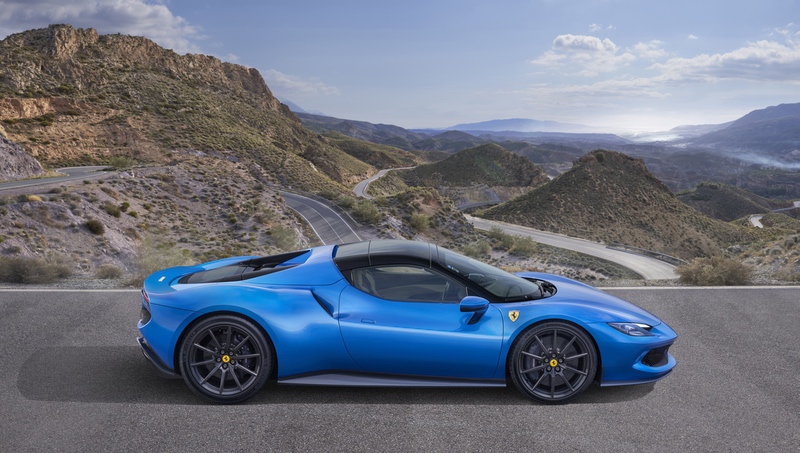
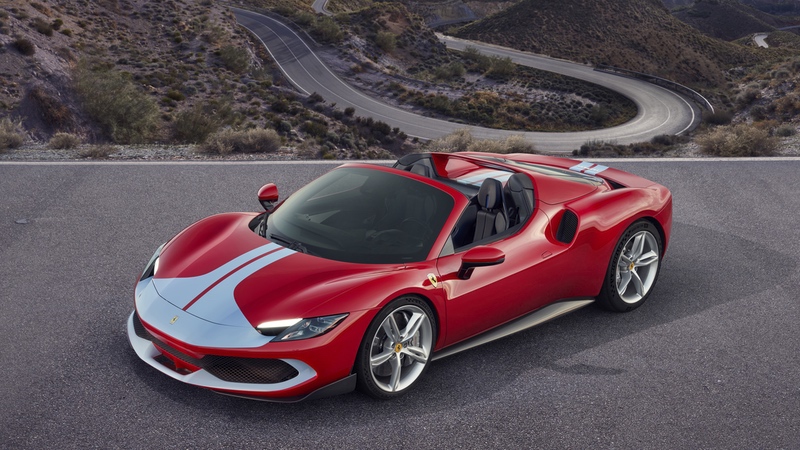
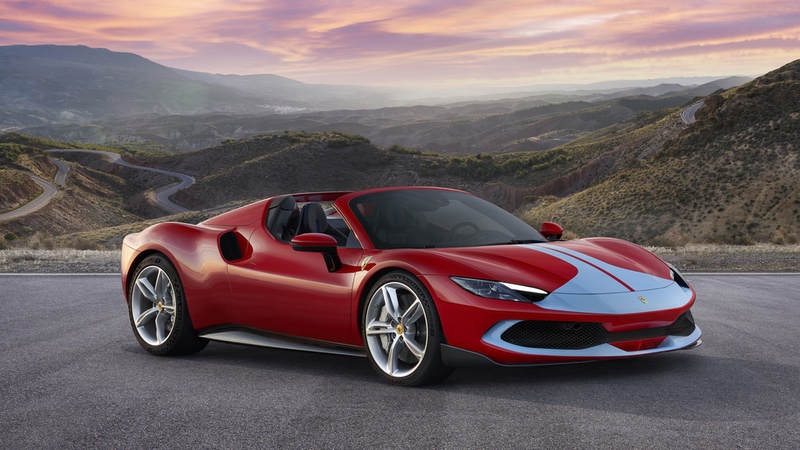
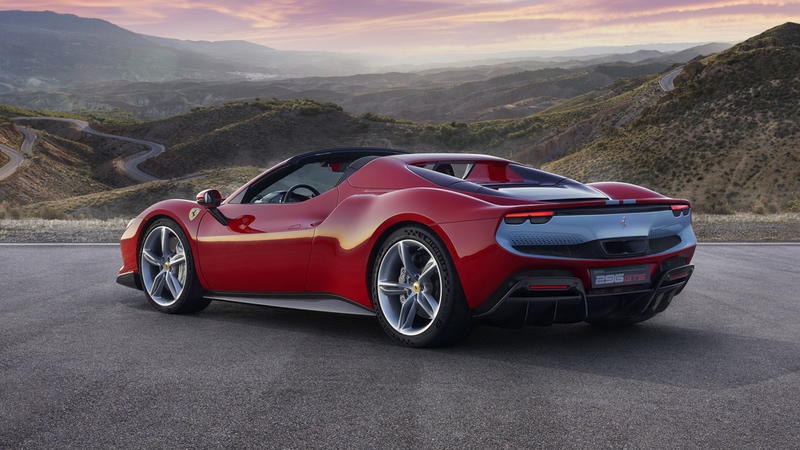
The Ferrari 296 GTS is the open-top version of the Ferrari 296 GTB and one of the most important modern Spider models in Ferrari’s current range. It combines a retractable hardtop, a mid-mounted 120-degree twin-turbocharged V6, a plug-in hybrid electric motor, rear-wheel drive, and a total system output of 830 cv / 819 bhp. Ferrari describes the 296 GTS as the evolution of its mid-rear-engined two-seater berlinetta spider concept, powered by the same V6 plug-in hybrid system that debuted in the 296 GTB.
The importance of the 296 GTS is not simply that it is fast. Modern supercars are expected to be fast. What makes the 296 GTS more interesting is how Ferrari has used hybridisation to enhance, rather than dilute, the driving experience. The electric motor does not exist merely to improve efficiency figures; it fills in torque, sharpens response, enables short-distance electric driving, and gives the car a level of flexibility that older mid-engined Ferraris could not offer.
This makes the 296 GTS a very different proposition from earlier Ferrari Spiders such as the 458 Spider, 488 Spider, or F8 Spider. Those cars were defined by V8 combustion character, roof-down drama, and relatively traditional supercar appeal. The 296 GTS adds a more technical layer. It is quieter when it needs to be, sharper when driven hard, and more complex beneath the surface. Yet crucially, it still feels compact, agile, and emotionally engaging.
In Ferrari’s current range, the 296 GTS sits below the larger, more powerful hybrid flagship models such as the 849 Testarossa Spider, but above more relaxed front-engined grand tourers in terms of driver focus. It is not the ultimate Ferrari by price or power, but it may be one of the most complete modern Ferraris for real-world use. It offers serious performance, open-top usability, strong brand desirability, and enough technical sophistication to feel contemporary without becoming inaccessible.
Pricing reflects its positioning. UK on-the-road RRP guidance has placed the Ferrari 296 GTS from around £280,083, while used Ferrari-approved UK examples have recently appeared from roughly the high £230,000s to £270,000s, depending on mileage and specification. In the US, market pricing varies widely, with used 296 GTS examples commonly advertised in the $360,000–$500,000+ range.
For buyers, the 296 GTS makes a strong case as a modern Ferrari that can be enjoyed frequently rather than reserved only for special occasions. It is fast enough to feel extraordinary, compact enough to feel usable, and technologically advanced enough to represent Ferrari’s future without abandoning the emotional appeal that defines the brand.
2. Production & History
The Ferrari 296 GTS was introduced as the Spider version of the 296 GTB, extending Ferrari’s new V6 plug-in hybrid platform into the open-top supercar market. The coupe had already made a major statement by replacing the traditional expectation of a Ferrari mid-engined V8 with a smaller but more advanced hybrid V6. The GTS then added the retractable-hardtop format, creating a car that combined Ferrari’s compact hybrid supercar architecture with the sensory appeal of roof-down driving.
Historically, Ferrari’s mid-engined Spider models have been central to the brand’s road-car appeal. Cars such as the 360 Spider, F430 Spider, 458 Spider, 488 Spider, and F8 Spider all offered open-air versions of Ferrari’s mainstream mid-engined supercar formula. The 296 GTS continues that lineage, but it does so at a major turning point. It is not just another Spider derivative; it is the first open-top Ferrari in this core supercar category to use a V6 plug-in hybrid powertrain.
The name “296” refers to the car’s engine configuration: a 2.9-litre six-cylinder engine. “GTS” stands for Gran Turismo Spider, marking it as the open-top version rather than the fixed-roof GTB. Although Ferrari has a long history with six-cylinder engines through the Dino lineage, the 296 family brought the V6 concept firmly into the modern Ferrari-branded supercar range.
This matters because the 296 GTS arrived at a time when Ferrari was redefining its performance hierarchy. The LaFerrari had already proved that hybrid technology could work at hypercar level. The SF90 Stradale and SF90 Spider pushed plug-in hybrid performance into Ferrari’s flagship production supercar range. The 296 GTB and GTS then made that technology more compact, more driver-focused, and arguably more usable.
The 296 GTS also follows Ferrari’s long-standing strategy of offering a Spider variant for buyers who want a more emotional and lifestyle-led experience. In many global markets, particularly the Middle East, California, Florida, and Southern Europe, open-top Ferraris carry strong appeal. The retractable hardtop makes the GTS suitable for both roof-up refinement and roof-down drama, which broadens its customer base beyond the more track-oriented buyer who may prefer the coupe.
From a production perspective, the 296 GTS is not a numbered limited-edition model. However, Ferrari allocation, specification choices, production timing, and dealer relationships still affect availability. Well-specified examples, especially those with desirable colours, carbon fibre options, racing seats, and the Assetto Fiorano package, are likely to remain more desirable in the used market.
Historically, the 296 GTS may be remembered as the car that made Ferrari’s hybrid future feel attractive in open-top form. It is not merely the Spider version of the GTB; it is the car that proves Ferrari’s compact hybrid supercar platform can deliver everyday usability, major performance, and emotional appeal without needing a V8 or V12.
3. Design & Styling
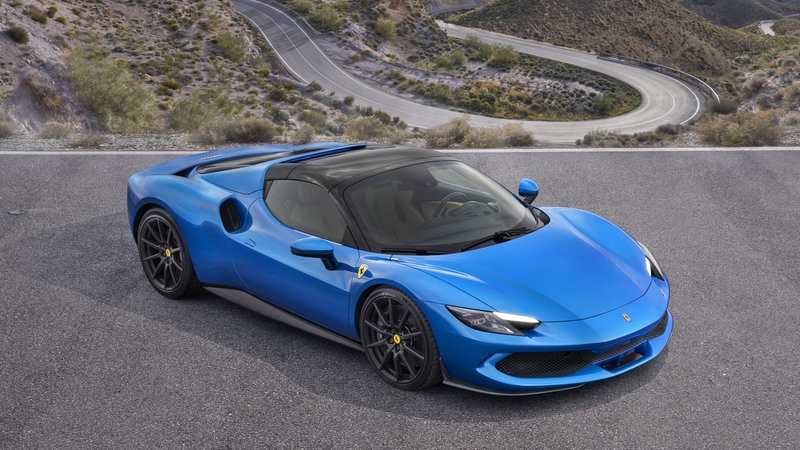
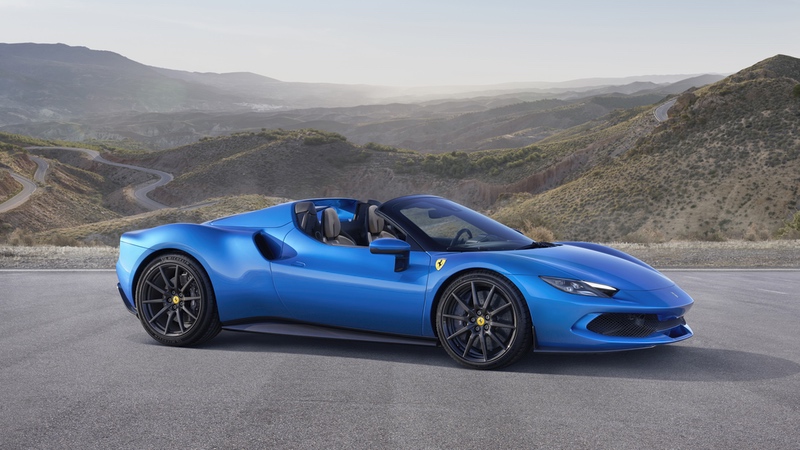
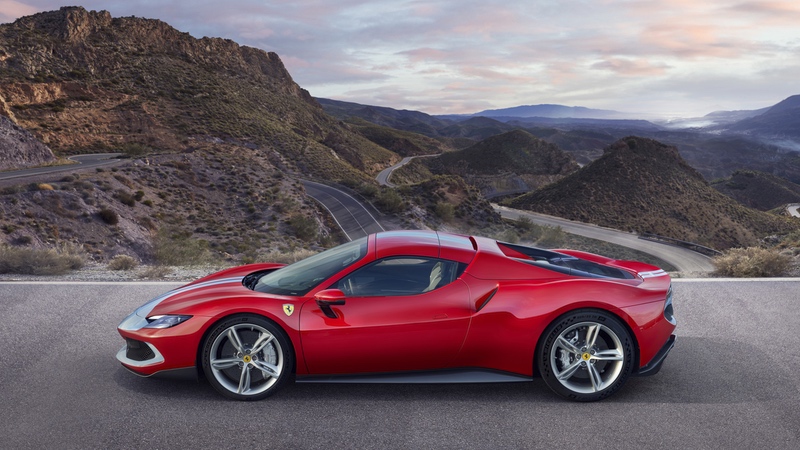
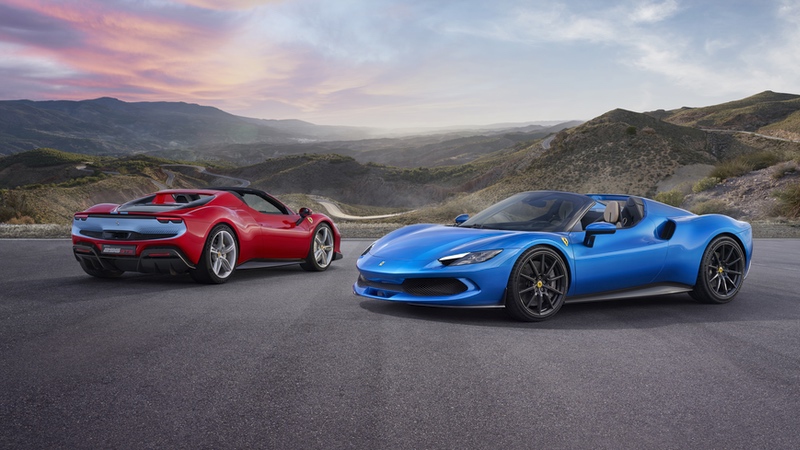
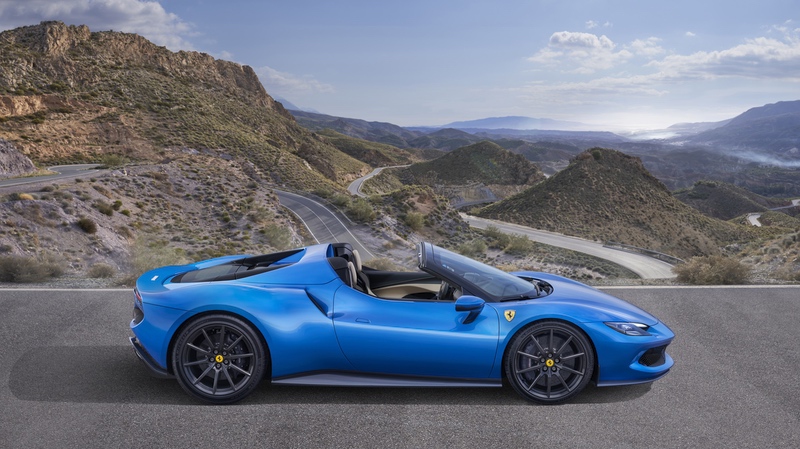
The Ferrari 296 GTS is one of the cleanest and most resolved modern Ferrari Spider designs. It carries over the compact, sculptural proportions of the 296 GTB but integrates a retractable hardtop in a way that preserves the car’s balance. Some convertible supercars look compromised compared with their coupe counterparts. The 296 GTS largely avoids that problem.
Exterior Proportions
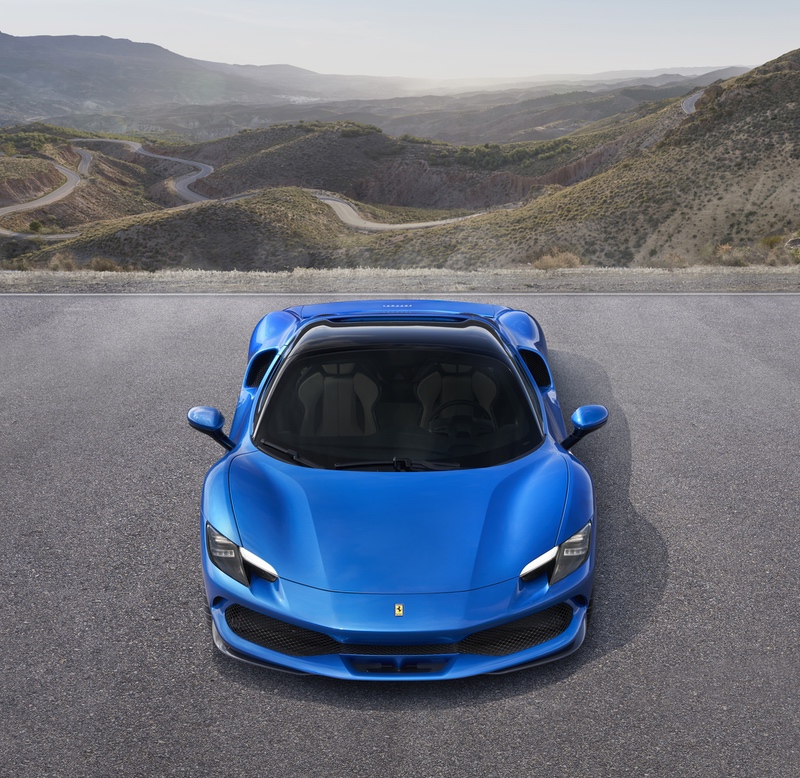
The car has a short wheelbase, compact cabin, pronounced rear haunches, and a low, technical nose. Its proportions are more condensed than those of the F8 Spider, giving it a more modern and athletic appearance. The V6 hybrid layout helps here because the engine is more compact than a traditional V8, allowing Ferrari to create a tighter and more controlled body shape.
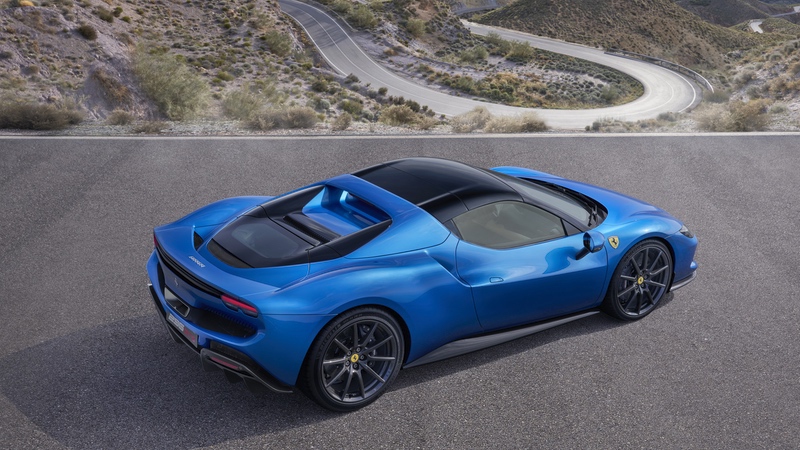
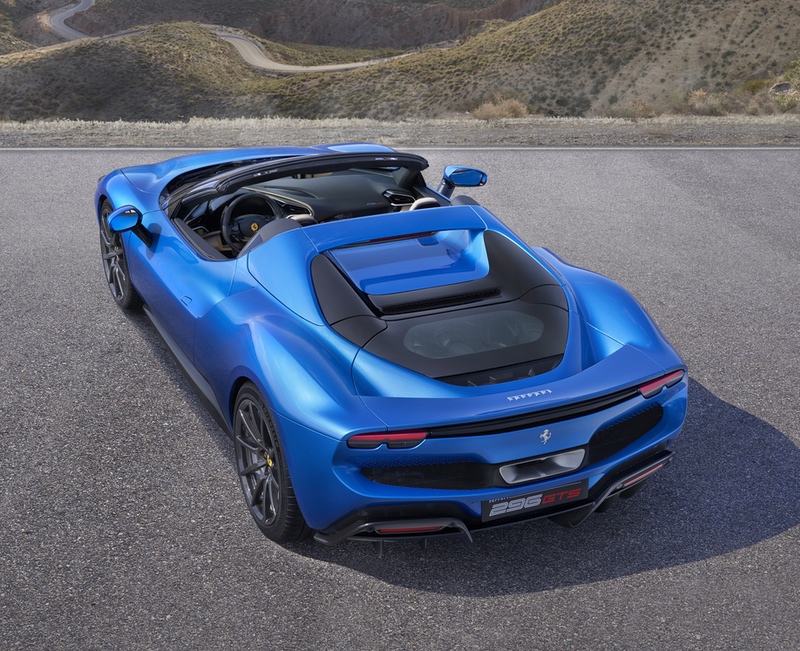
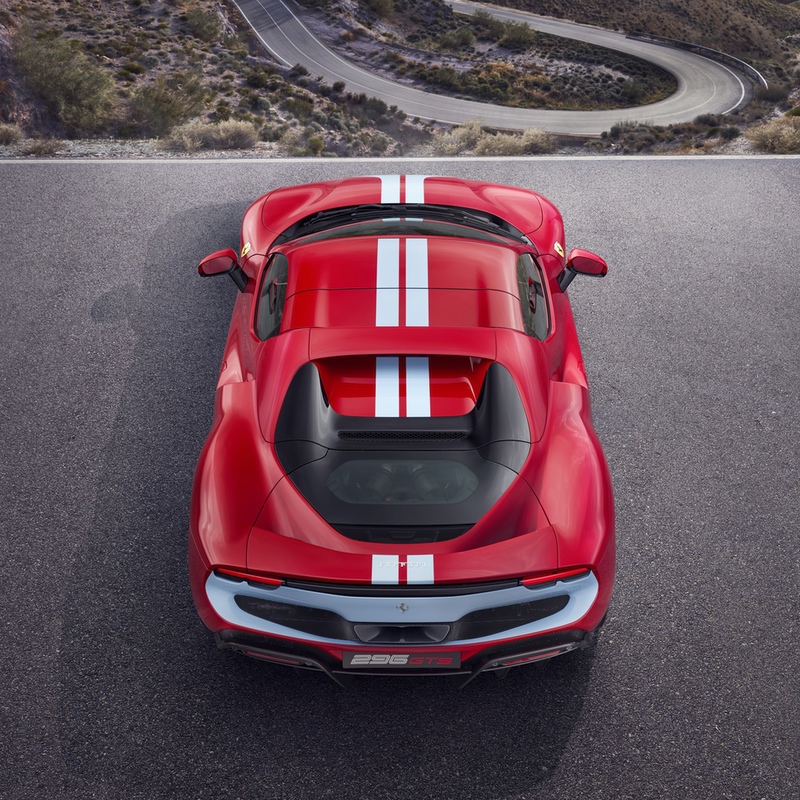
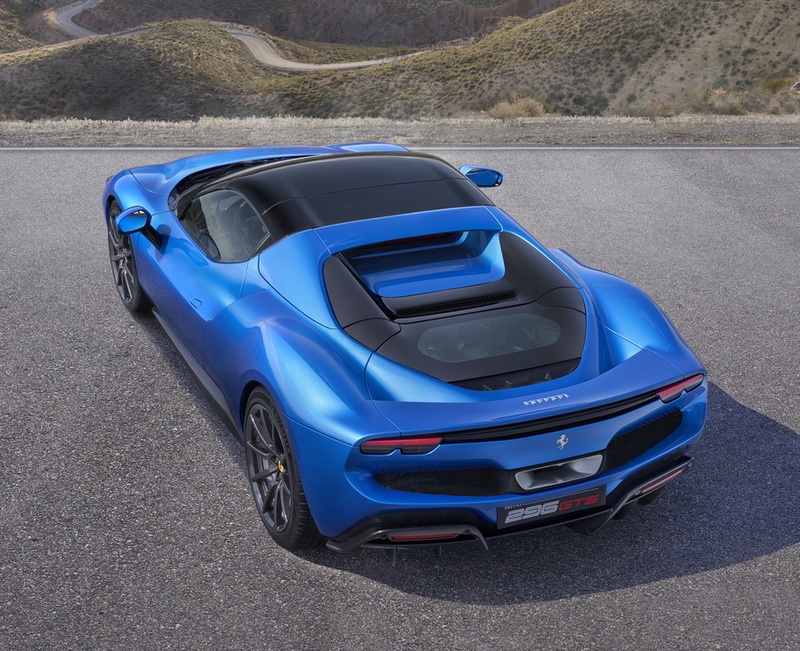
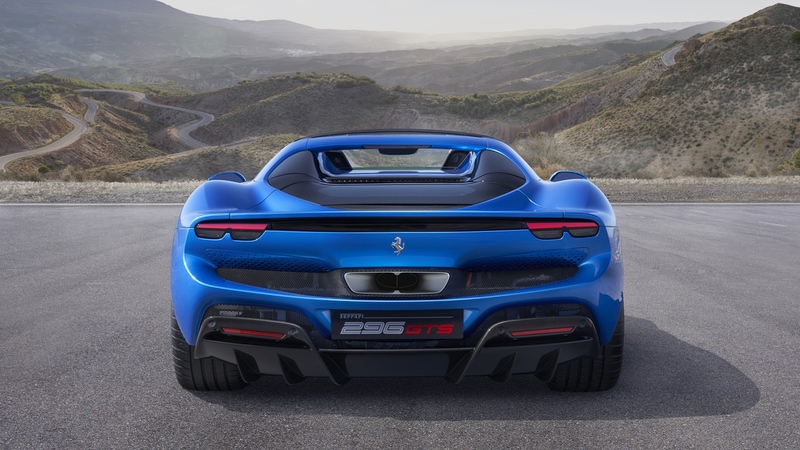
The rear of the car is especially distinctive. The buttress-style roof structure, central rear exhaust outlet, slim lighting elements, and muscular rear deck give the GTS a clear identity. With the roof closed, it looks close to the coupe. With the roof lowered, it gains a more dramatic, open-air character without looking visually heavy.
Retractable Hardtop
The retractable hardtop is central to the car’s usability. It gives the 296 GTS the security and refinement of a coupe when closed, while allowing roof-down driving when conditions suit. The roof mechanism operates in around 14 seconds according to contemporary reporting, which makes it usable in real-world conditions rather than just a showroom feature.
The engineering challenge is packaging. A retractable hardtop adds weight, complexity, and requires careful integration into the rear structure. Ferrari’s success with the 296 GTS lies in making the car feel designed as a Spider, not converted from a coupe after the fact.
Aerodynamic Character
The 296 GTB introduced an advanced aerodynamic package, including Ferrari’s compact-volume design philosophy and the “tea-tray” aerodynamic concept. The GTS adapts that thinking to the Spider body. The key challenge is managing airflow around the cabin when the roof is down while preserving high-speed stability and cooling.
The result is a car that looks elegant but is still functionally aerodynamic. The design is not covered in exaggerated wings and vents, but the surfaces are doing serious work. This gives the 296 GTS a more mature visual character than many rivals.
Interior
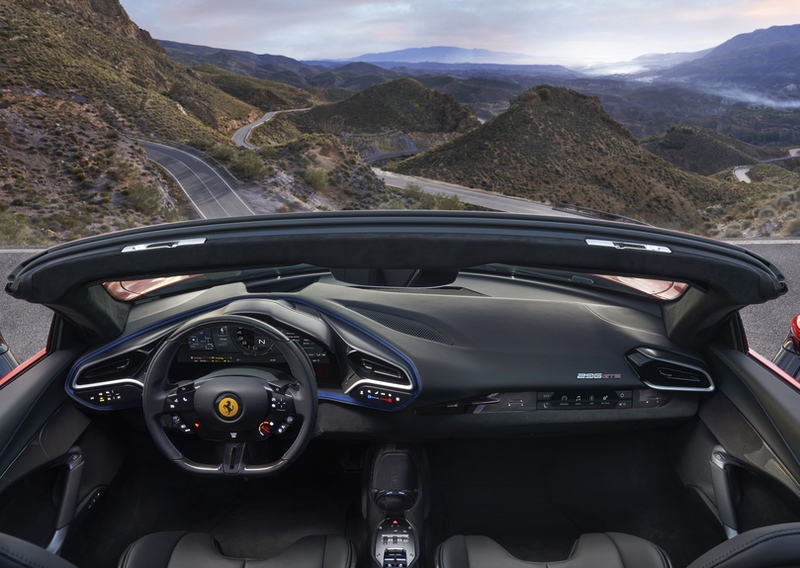
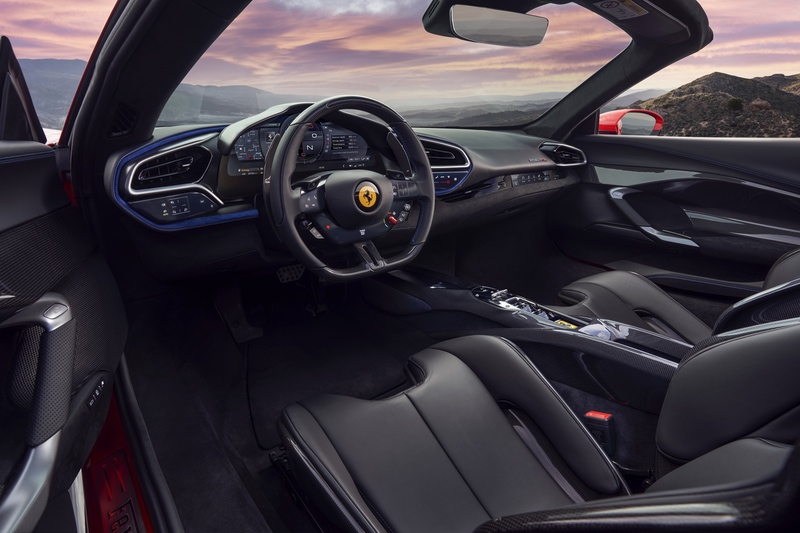
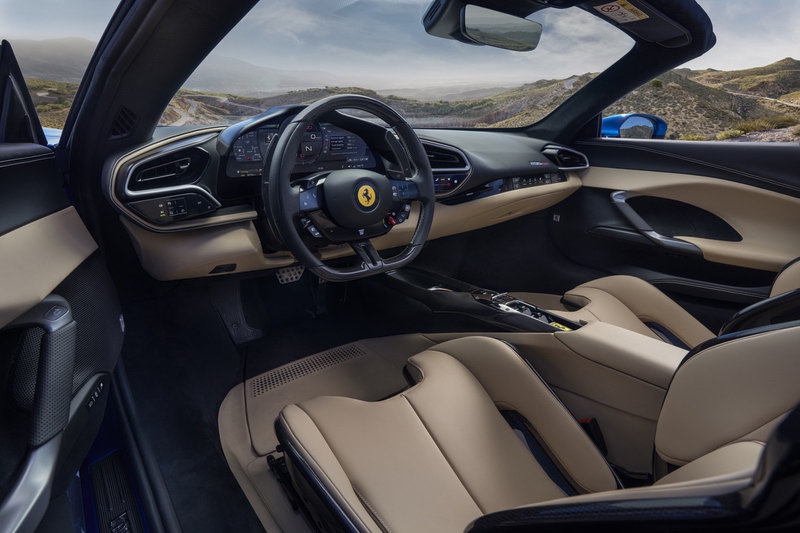
Inside, the 296 GTS uses Ferrari’s modern digital cockpit layout. The steering wheel integrates many controls, the instrument display is digital, and the passenger environment can be configured with premium materials, carbon fibre, leather, Alcantara, contrast stitching, and racing seats. Specification matters greatly. A well-chosen 296 GTS interior feels highly premium and focused; an overly conservative specification may feel less special in the used market.
4. Engine & Technical Specifications
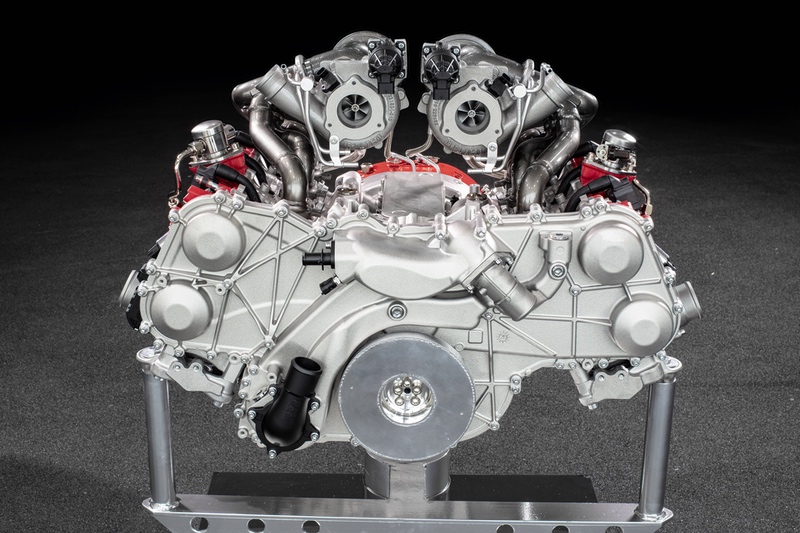
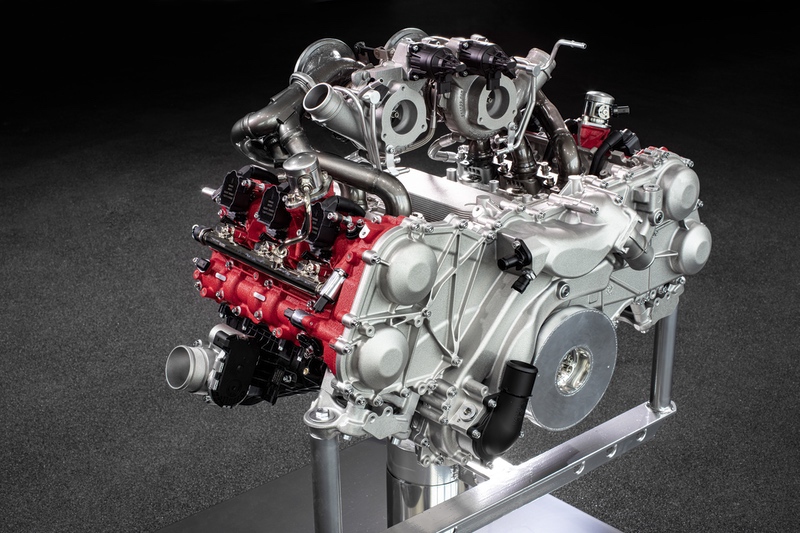
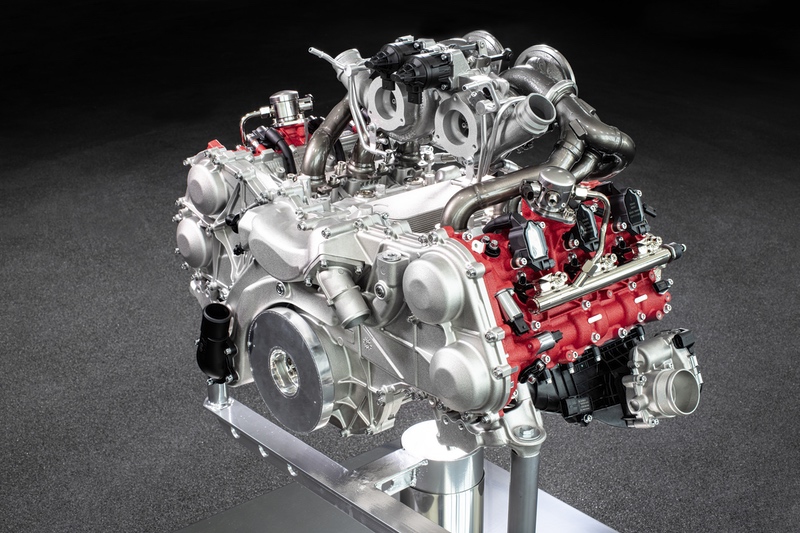
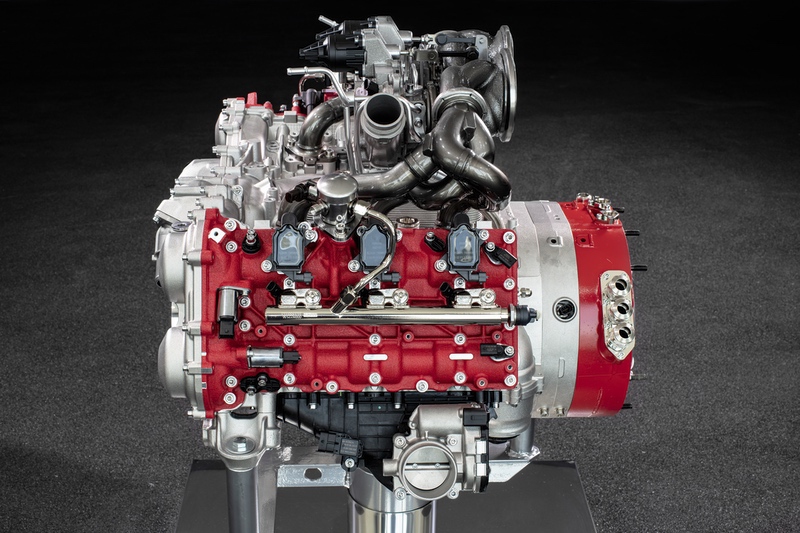
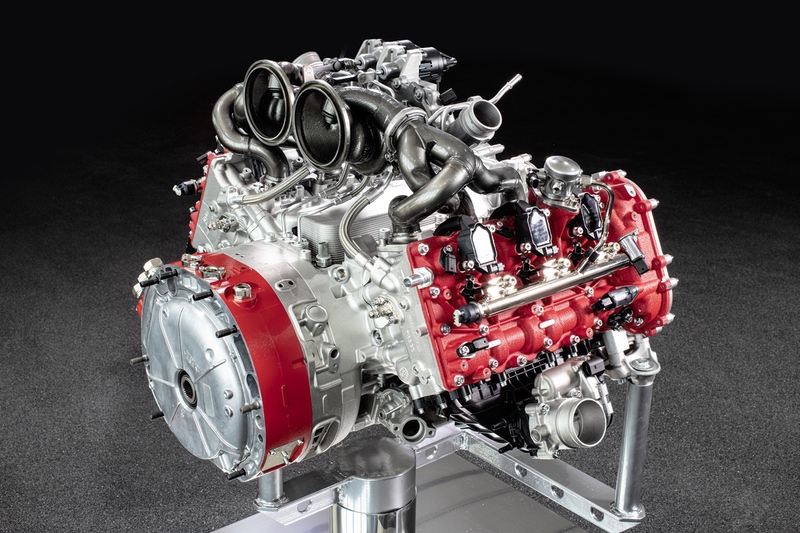
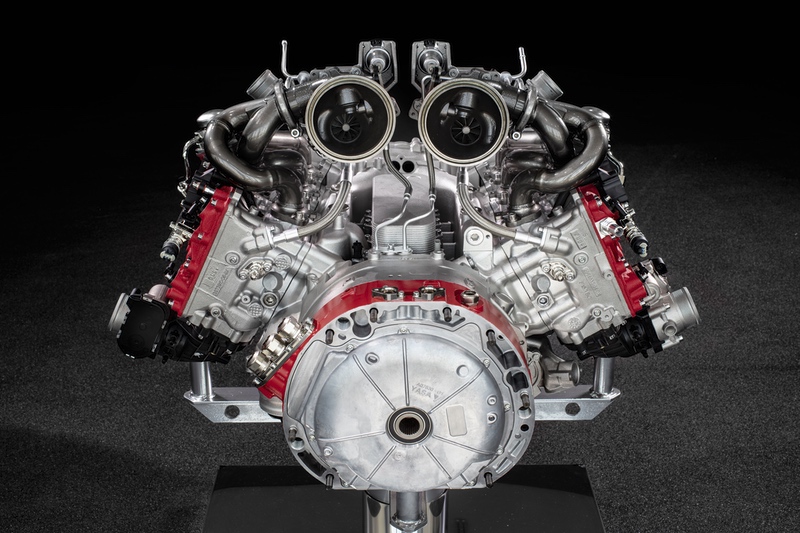
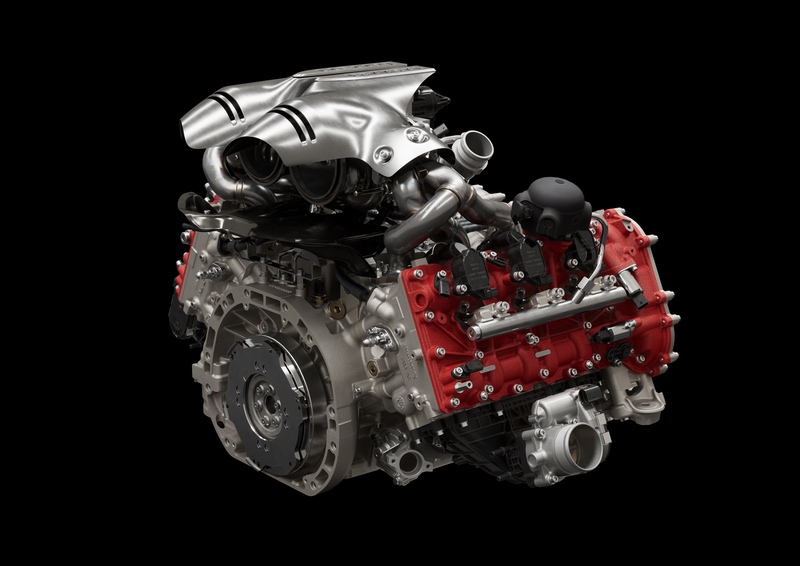
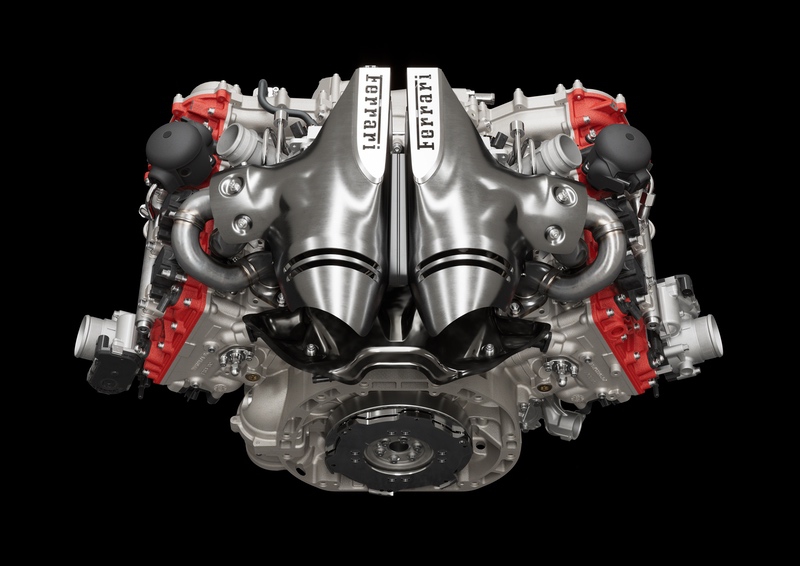
The Ferrari 296 GTS uses the same core powertrain as the 296 GTB: a 2,992 cc 120-degree twin-turbocharged V6paired with a plug-in hybrid electric motor. The combined output is 830 cv / 819 bhp, with peak torque around 740 Nm / 546 lb ft. Ferrari confirms that the 296 GTS uses the V6 plug-in hybrid system that debuted on the GTB and produces a total of 830 cv.
Core Technical Specification
Key figures include:
- Engine: 2,992 cc twin-turbocharged 120-degree V6
- Hybrid system: rear-mounted plug-in electric motor
- Total output: 830 cv / 819 bhp
- Torque: approximately 740 Nm / 546 lb ft
- Transmission: 8-speed dual-clutch automatic
- Drivetrain: rear-wheel drive
- Battery: 7.45 kWh
- Electric-only range: around 25 km / 15 miles
- 0–100 km/h: 2.9 seconds
- 0–200 km/h: approximately 7.6 seconds
- Top speed: over 330 km/h / 205 mph
Why the V6 Works
The engine is central to the 296 GTS’s character. A V6 may sound like a reduction compared with Ferrari’s traditional V8s, but the reality is more complex. The 120-degree layout allows Ferrari to mount the turbochargers within the vee of the engine, improving packaging and response. The engine is compact, powerful, and highly efficient in performance terms.
The electric motor is equally important. It fills in low-speed torque, supports the combustion engine during acceleration, and allows short-distance electric-only running. This means the 296 GTS can move quietly in urban areas, but when driven hard, the electric system becomes part of the performance experience.
Rear-Wheel Drive Character
Unlike the SF90 Spider or 849 Testarossa Spider, the 296 GTS is rear-wheel drive. This is critical. It makes the car feel lighter, more adjustable, and more intimate than Ferrari’s all-wheel-drive hybrid flagships. There is less traction security, but more driver interaction.
Hybrid Usability
The plug-in capability is not the main reason to buy the car, but it adds genuine usefulness. Owners can use electric mode for short urban journeys, quiet starts, or low-speed driving in residential areas. The hybrid system also helps make the car smoother and more flexible in everyday use.
5. Performance
The Ferrari 296 GTS delivers performance that would have been associated with hypercars only a decade ago. Despite being the open-top version, it retains the core performance figures that make the 296 platform so impressive: 0–100 km/h in 2.9 seconds, a top speed of around 205 mph / 330 km/h, and enormous mid-range acceleration from the hybrid-assisted V6 powertrain.
Acceleration
The 296 GTS accelerates with an unusual blend of immediacy and intensity. The electric motor provides instant response, while the twin-turbocharged V6 builds rapidly. This means the car does not feel like an old-school turbocharged supercar waiting for boost. Instead, the first response is immediate, then the combustion engine adds sustained force.
This is one of the main reasons the 296 GTS feels so fast in real-world driving. The performance is available without needing to constantly chase the top of the rev range. That makes the car easier to use on road, where short bursts of acceleration matter more than absolute top speed.
Open-Top Sensation
The Spider format changes the perception of performance. With the roof down, acceleration feels more dramatic because the driver is exposed to sound, airflow, and the environment. The V6 does not sound like a naturally aspirated Ferrari V8 or V12, but it has a distinctive high-pitched, technical character. Roof down, that sound becomes more present and more emotionally engaging.
The open-top experience also makes moderate speeds feel more special. This is important because very few owners will regularly access the full performance of the car. The GTS delivers more sensation at road speeds than the coupe, even if the GTB is marginally sharper from a pure dynamic standpoint.
Handling
The 296 GTS is heavier than the GTB because of its roof mechanism and structural reinforcements, but the underlying chassis remains exceptionally capable. The compact wheelbase, rear-wheel-drive layout, low centre of gravity, and hybrid torque delivery create a car that feels agile and responsive.
Unlike all-wheel-drive hybrid supercars, the 296 GTS does not simply pull itself out of corners with front-axle assistance. The rear tyres do the work. This makes throttle control more meaningful and gives the driver a stronger sense of connection to the chassis.
Braking and Stability
The braking system is powerful and stable, supported by modern Ferrari electronic control. Some drivers may need time to adapt to the feel of Ferrari’s latest electronically managed braking systems, but the stopping performance is substantial.
Real-World Performance
On road, the 296 GTS may be one of Ferrari’s best-balanced modern cars. It is faster than most drivers will ever need, but it does not feel oversized or remote. It is compact, responsive, and emotionally engaging, particularly with the roof down.
6. Variants & Special Editions
The Ferrari 296 GTS belongs to a growing 296 model family, which includes the GTB coupe, the GTS Spider, more focused performance derivatives, and highly personalised examples. Understanding these variants matters for buyers because each version appeals to a slightly different owner profile.
Ferrari 296 GTB
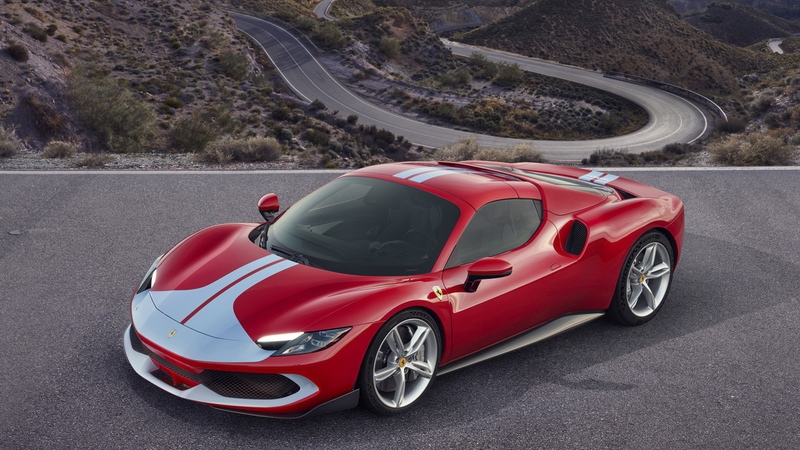
The 296 GTB is the fixed-roof coupe and the purest standard version of the platform. It is lighter, structurally more focused, and likely to be preferred by buyers who prioritise handling precision, track use, and long-term driver appeal.
Compared with the GTS, the GTB feels more serious. It lacks the roof-down experience, but it has the cleaner dynamic brief. Buyers who want the most precise version of the standard 296 may prefer the GTB.
Ferrari 296 GTS
The 296 GTS is the retractable-hardtop Spider and the focus of this page. It uses the same 830 cv hybrid powertrain as the GTB but adds open-top usability. The GTS is more expensive and slightly heavier, but it offers a broader ownership experience.
For many buyers, the GTS will be the more enjoyable road car. It offers nearly all the performance of the coupe while adding the emotional appeal of roof-down driving. In warm-weather markets, it may also be more desirable on the used market.
Assetto Fiorano Package
The Assetto Fiorano package is available for buyers who want a sharper, more track-focused setup. On the 296 platform, the package generally adds lightweight materials, more focused suspension, aerodynamic changes, and a more performance-led character. It can make the car more desirable, but it also changes the way it feels on road.
For the GTS, Assetto Fiorano is an interesting choice. On one hand, it sharpens the Spider and makes it more serious. On the other, some buyers choose the GTS specifically for road use and open-top enjoyment, where the standard setup may be more comfortable and better balanced.
Ferrari 296 Speciale and Speciale A
Ferrari has extended the 296 range with more focused models, including Speciale-style derivatives. These follow the tradition of cars such as the 360 Challenge Stradale, 430 Scuderia, 458 Speciale, and 488 Pista. They are likely to be more collectible than the standard GTB and GTS because they are sharper, rarer, and more allocation-sensitive.
For most buyers, however, the standard 296 GTS remains the more usable choice. It offers enormous performance without the additional compromise of a special-series car.
Tailor Made and Bespoke Cars
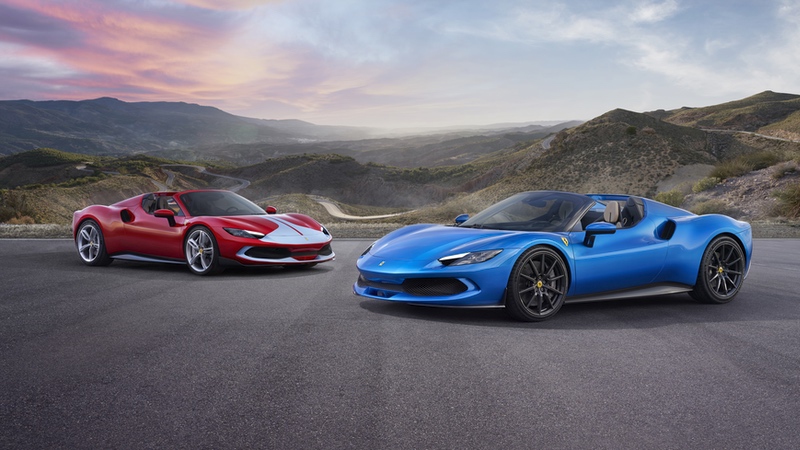
Ferrari’s personalisation programme is also highly relevant. Through Tailor Made and extensive options, buyers can create very different 296 GTS specifications. Colour, wheels, carbon fibre, seats, stitching, interior materials, and exterior detailing can all significantly influence desirability.
For resale, tasteful specification matters. A well-optioned GTS in a desirable colour with carbon fibre, strong interior contrast, and full Ferrari history will usually be easier to sell than a poorly configured car.
7. Driving Experience
The Ferrari 296 GTS delivers a driving experience that is more emotional than its technical description might suggest. A V6 plug-in hybrid Ferrari Spider could have felt clinical. Instead, the 296 GTS feels compact, responsive, and genuinely exciting.
Around Town
In urban use, the 296 GTS is unusually civilised for a mid-engined Ferrari. Electric-only mode allows the car to move quietly at low speeds, which is useful for early starts, city centres, and residential areas. The dual-clutch gearbox is smooth when driven gently, and the hybrid system makes throttle response easy to manage.
The car is still low and wide, so care is needed with speed bumps, ramps, parking entrances, and tight spaces. However, compared with older mid-engined Ferraris, the 296 GTS feels far more usable.
Roof-Down Driving
The retractable hardtop transforms the experience. With the roof closed, the car feels refined and focused. With the roof down, it becomes more immersive. The engine sound, turbo character, electric response, and wind movement all become part of the drive.
This is where the GTS earns its price premium over the GTB. The coupe may be sharper, but the Spider makes ordinary drives feel more memorable. For many owners, that matters more than a marginal difference in weight or rigidity.
Fast Roads
On fast roads, the 296 GTS feels agile and alert. The steering is quick, the chassis reacts sharply, and the rear-wheel-drive layout gives the driver a clear sense of how the car is deploying power. The hybrid system makes the car feel instantly responsive, while the V6 provides sustained acceleration.
It does not feel like a heavy hybrid. That is Ferrari’s achievement. The electric system supports the experience rather than overwhelming it.
Driver Confidence
The 296 GTS is approachable despite its performance. Ferrari’s electronics help manage traction and stability without making the car feel detached. It rewards skilled drivers but does not punish less experienced owners in ordinary conditions. That balance is central to its appeal.
8. Ownership Insights
Owning a Ferrari 296 GTS is more practical than many older supercars, but it remains a complex and expensive Ferrari. Buyers should approach ownership with proper budgeting, careful specification analysis, and a strong preference for documented cars.
Running Costs
Indicative annual running costs include:
- Insurance: £6,000–£14,000 / $7,500–$18,000+
- Tyres: £1,700–£3,000 / $2,200–$3,800 per set
- Paint protection film: £4,000–£7,000 / $5,000–$9,000
- Warranty extension after factory cover: several thousand pounds/dollars annually
- Track use: significantly higher due to tyres, brakes, fluids, and inspections
Fuel economy can be better than older supercars when driven gently, particularly with charged battery assistance. However, when driven hard, it remains a high-performance Ferrari and will consume fuel accordingly.
Servicing Reality
Ferrari’s seven-year maintenance programme is a major benefit. It helps reduce scheduled servicing costs, but owners should still budget for wear items and non-scheduled work. Tyres, brake components, fluids, battery checks, software updates, roof mechanism inspection, and cosmetic upkeep all matter.
Because the 296 GTS is a plug-in hybrid, servicing should be handled by Ferrari main dealers or specialists with hybrid Ferrari experience. High-voltage systems, battery health, cooling systems, and software updates are not areas for generalist workshops.
Reliability Expectations
The 296 platform is modern and highly engineered, but it is complex. The twin-turbo V6, electric motor, battery, dual-clutch gearbox, roof mechanism, and electronic systems all need proper maintenance.
There was a small 2025 do-not-drive recall affecting six 296 GTB/GTS vehicles due to a potential turbocharger oil-feed-related leak risk. Reports stated there were no injuries or fires, and the remedy involved checking and correcting torque on the relevant fastening. This appears limited, but it reinforces why buyers should verify recall completion and Ferrari service history.
Real-World Usability
The 296 GTS is usable by supercar standards. It can manage city driving, weekend trips, longer journeys, and occasional daily use. The retractable hardtop improves flexibility, while electric mode adds refinement. It is not as practical as a Porsche 911 Turbo S, but for a Ferrari Spider with this level of performance, it is impressively manageable.
9. Market Value & Depreciation
The Ferrari 296 GTS sits in a market where desirability is strong, but depreciation still matters. UK RRP guidance has placed the 296 GTS from around £280,083, while Ferrari-approved used UK listings have recently shown examples from roughly £239,600 to £269,001, depending on mileage and specification. In the US, used examples have been advertised from around $359,900 to $504,900, with average asking prices around the low $420,000s.
Value Drivers
Key factors affecting value include:
- Mileage
- Colour combination
- Assetto Fiorano package
- Carbon fibre options
- Racing seats
- Dealer service history
- Warranty status
- Roof mechanism condition
- Battery health
- Accident history
A low-mileage, well-specified car in a desirable colour with strong options and full Ferrari history will usually command a premium. Poor specifications or unusual colour combinations may be harder to sell.
Depreciation Pattern
The 296 GTS is not a numbered limited edition, so some depreciation is normal. New buyers who heavily option cars may not recover the full cost of those options. Used buyers may find better value once early depreciation has been absorbed.
However, the GTS may remain more resilient than some coupes in warm-weather markets because Spider Ferraris often have broader lifestyle appeal. Demand for open-top Ferraris is consistently strong among buyers who prioritise usability and experience over marginal performance differences.
Long-Term Outlook
The 296 GTS is historically significant as Ferrari’s compact V6 hybrid Spider. That may support long-term interest. However, the strongest collector attention will likely focus on more limited derivatives such as Speciale models. The standard GTS is best viewed as a car to buy well, specify carefully, maintain properly, and enjoy.
10. Competitors
McLaren Artura Spider
The McLaren Artura Spider is the closest conceptual rival. Like the Ferrari, it uses a V6 hybrid powertrain and offers open-top driving. The McLaren is lighter and more minimalist in feel, with a strong emphasis on chassis balance and steering purity.
The Ferrari feels more dramatic, more powerful, and more prestigious. It has stronger brand desirability and a more emotional cabin environment. The McLaren may appeal to the purist; the Ferrari appeals to the buyer who wants both technical sophistication and traditional supercar occasion.
Lamborghini Huracán Spyder / Tecnica
The Lamborghini Huracán Spyder offers a very different kind of appeal. Its naturally aspirated V10 gives it a raw soundtrack and old-school character that the hybrid Ferrari cannot replicate. It is less advanced, but arguably more immediately theatrical.
The 296 GTS is faster, more flexible, more modern, and more efficient. The Lamborghini is louder, simpler, and more extroverted. Buyers choosing between them are effectively choosing between Ferrari’s hybrid future and Lamborghini’s naturally aspirated past.
Porsche 911 Turbo S Cabriolet
The Porsche 911 Turbo S Cabriolet is less exotic but far more usable. It offers all-wheel-drive performance, daily comfort, strong reliability, and devastating real-world speed. It is a more practical ownership proposition.
However, the Porsche cannot match the Ferrari’s sense of occasion. The 296 GTS feels more special, more technically exotic, and more emotionally engaging. For daily usability, the Porsche wins. For supercar identity, the Ferrari is stronger.
Ferrari F8 Spider
The F8 Spider is the direct predecessor in spirit. It has a twin-turbocharged V8, no hybrid system, and a more traditional Ferrari feel. Some buyers will prefer it because it is simpler and has two additional cylinders.
The 296 GTS is quicker, more responsive, more technologically advanced, and arguably more agile. The F8 Spider may appeal to buyers suspicious of hybrid complexity, but the 296 GTS is the more complete modern car.
Ferrari 296 GTB
The GTB is the fixed-roof alternative. It is lighter, sharper, and likely preferable for buyers who prioritise track use or pure dynamic precision. The GTS is more versatile and more emotionally engaging at everyday speeds because of the retractable roof.
11. FAQs
Is the Ferrari 296 GTS a V6?
Yes. The Ferrari 296 GTS uses a 2,992 cc 120-degree twin-turbocharged V6 combined with a plug-in hybrid electric motor. Total output is 830 cv / 819 bhp.
Is the Ferrari 296 GTS a plug-in hybrid?
Yes. It is a plug-in hybrid. It has a battery of around 7.45 kWh and can drive on electric power for approximately 25 km / 15 miles, depending on conditions.
How fast is the Ferrari 296 GTS?
The 296 GTS can accelerate from 0–100 km/h in 2.9 seconds and reach a top speed of around 330 km/h / 205 mph. Its 0–200 km/h time is approximately 7.6 seconds.
How much does the Ferrari 296 GTS cost?
UK RRP guidance places the 296 GTS from around £280,083, before options. Used UK Ferrari-approved examples have recently appeared from around £239,600 to £269,001, while US used-market listings commonly range from around $359,900 to $504,900 depending on specification, mileage, and condition.
Is the 296 GTS better than the 296 GTB?
It depends on what the buyer wants. The GTB is lighter and sharper. The GTS is more versatile and emotionally engaging because of the retractable hardtop. For track-focused drivers, the GTB may be preferable. For road use and lifestyle appeal, the GTS is often the stronger choice.
Is the Ferrari 296 GTS reliable?
It should be reliable if maintained correctly, but it is complex. Buyers should check Ferrari service history, warranty status, battery health, roof operation, recall completion, and evidence of track use. A pre-purchase inspection is strongly recommended.
Is the Assetto Fiorano package worth it?
For enthusiastic drivers and collectors, yes. It sharpens the car and can improve desirability. For buyers who want a more comfortable road-focused Spider, the standard setup may be better.
12. Related Articles
- Ferrari 296 GTB
- Ferrari 296 Speciale
- Ferrari F8 Spider
- Ferrari 488 Spider
- Ferrari 458 Spider
- Ferrari SF90 Spider
- Ferrari 849 Testarossa Spider
- McLaren Artura Spider
- Lamborghini Huracán Spyder
- Porsche 911 Turbo S Cabriolet
13. Are You Ready?
- Looking to buy a Ferrari 296 GTS? Click to find available cars.
- Need insurance? Click to apply for Supercar Insurance.
- Need a service? Click to book a specialist service.
- Buying one? Click to request a PPI inspection.
- Selling your car? Click to request a valuation.